Rivian Took $2.1 Billion Off the Table and Called It a Plan
The Georgia factory is smaller now. The ambition, officially, is not.

Photo · The Verge
Here's a number worth sitting with: $2.1 billion. That's how much the Department of Energy pulled back from Rivian's Georgia factory loan — down from $6.6 billion to $4.5 billion, according to both The Verge and TechCrunch. Rivian didn't fight the headline. It rewrote it.
The original vision for that Georgia plant was two phases, each delivering 200,000 vehicles of annual production capacity, totaling 400,000 units. What Rivian announced after the DOE revision is a single-phase target of 300,000 units — 25 percent smaller than the original plan, arriving, the company says, sooner than the original timeline. The math is dressed up as acceleration. But the square footage is still smaller.
What the Spin Costs
Electrek's framing of the story is the most revealing thing about this moment. Their headline treated the 300,000-unit figure as a lift — a 50% increase from Rivian's initial estimate. That's technically accurate if you're comparing it to the first-phase capacity number in isolation. Zoom out and you're looking at a factory that shed a full phase of production because federal financing evaporated under a changed administration. The optimistic read and the cautionary read are both correct, which is exactly what makes this uncomfortable.
Rivian broke ground on this facility last year. The ceremony happened. The shovels were in the dirt. And now the blueprints are different — not because the market shifted, not because demand collapsed, but because the loan agreement was renegotiated after the Trump administration's DOE trimmed its commitments. That's not a pivot. That's a ceiling being lowered from the outside.
The company's Q1 numbers are real and they're not bad. Rivian sold 10,365 vehicles in the first quarter of 2026, a 20 percent increase year over year, per The Verge's earnings coverage. Production at its Normal, Illinois facility hit 10,236 units, up 30 percent from the same period last year. The company reaffirmed its full-year delivery guidance of 62,000 to 67,000 vehicles. For a company that has spent years absorbing skepticism about its survival, these are not numbers to dismiss.
The Distance Between Normal and Georgia
But there's a structural tension here that the earnings optimism doesn't dissolve. Normal, Illinois is a functioning factory producing real cars. Georgia is a construction site with a revised permit. The R2 — Rivian's more accessible, higher-volume vehicle — is central to the company's commercial future, and the Georgia plant is where the volume was supposed to come from. Cutting that plant's ceiling by 100,000 units annually isn't a rounding error. It's a meaningful constraint on how big this company can realistically get, and when.
What the coverage collectively misses is the precedent this sets for how to read any EV infrastructure announcement that relies on federal financing. The Georgia plant was not a vague promise — it had a loan agreement, a groundbreaking, a phased roadmap. And it still got smaller when the political weather changed. That's not a Rivian problem specifically. It's a structural vulnerability that every manufacturer building on government-backed capital now has to price in.
Rivian is threading this well, rhetorically. The 300,000-unit number sounds substantial because it is substantial. The earlier timeline is a genuine concession the company extracted from a difficult renegotiation. And the Q1 momentum is real momentum.
But a plan that gets smaller when the government changes hands was always, on some level, a government plan.
Keep reading cars.

800 Horsepower, One Ton of Doubt
Lamborghini built the most powerful SUV it's ever made. It's also slower than what it replaced.

£11,990 Draws a Line Under Every Excuse You Had Left
Dacia just made the cheapest new car in Britain electric — and that's not a footnote, it's a verdict.
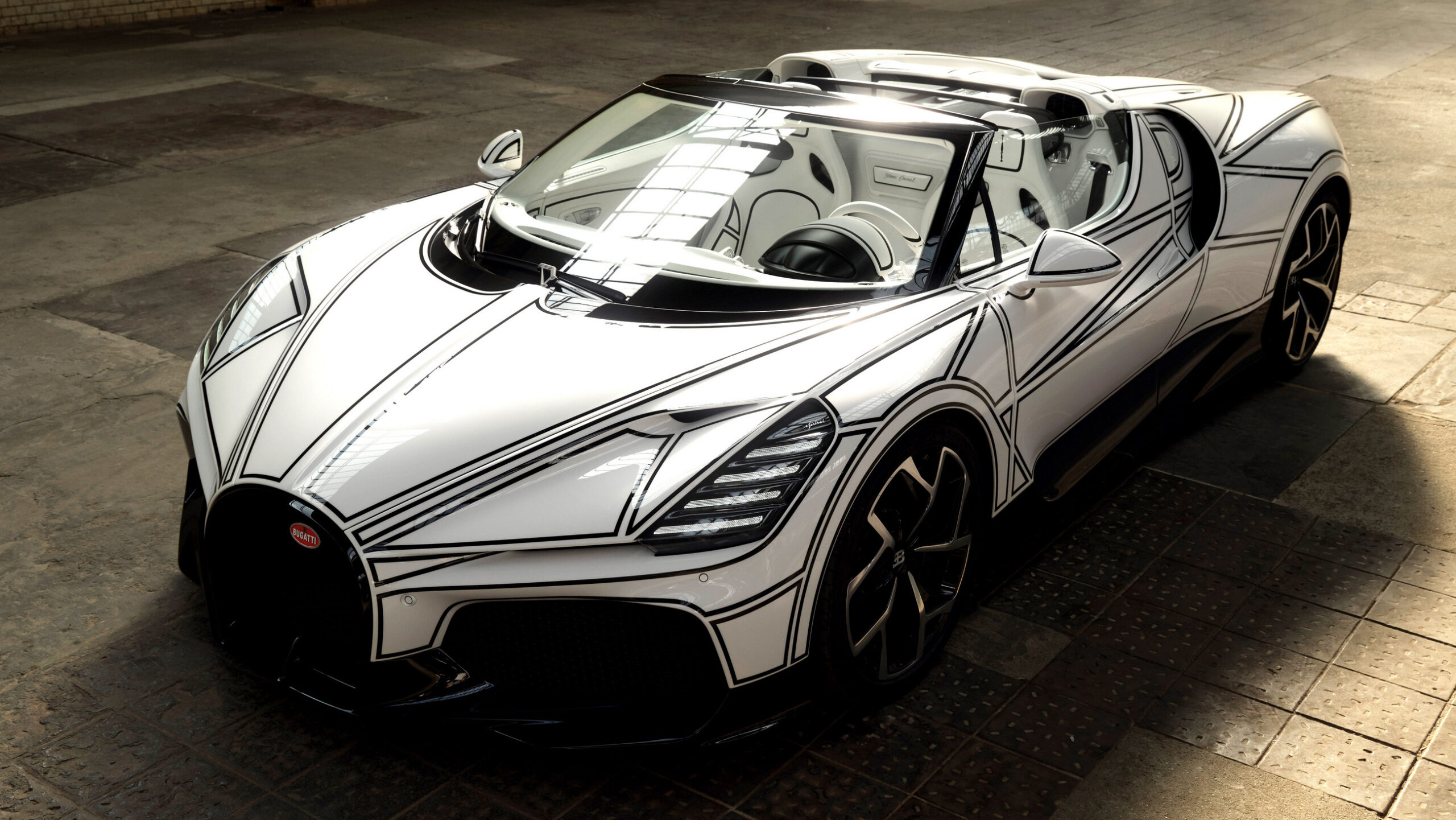
Blanc Éternel Hides Its Speed Behind a Gas Cap
Bugatti built a 261-mph roadster and made sure you'd notice the porcelain first.
From the other desks.

Gold Leaf on a Lacquer Dial, and the Weight of What That Costs
Awake's Frosted Leaf Royal Blue asks a question Vietnamese craft has never quite had to answer at this price.

ESPN Named Him. Then Unnamed Him. Nobody's Explaining the Gap.
A retraction without a reckoning is just a deleted link.

Hide My Email Has Been Showing Your Email
Apple's privacy flagship has a hole in it. They've known for over a year.