Xiaomi Opened a Lab in Europe. Detroit and Stuttgart Should Read the Address.
A Chinese tech company quietly set up shop on legacy turf — and brought the engineers to prove it's not a visit.
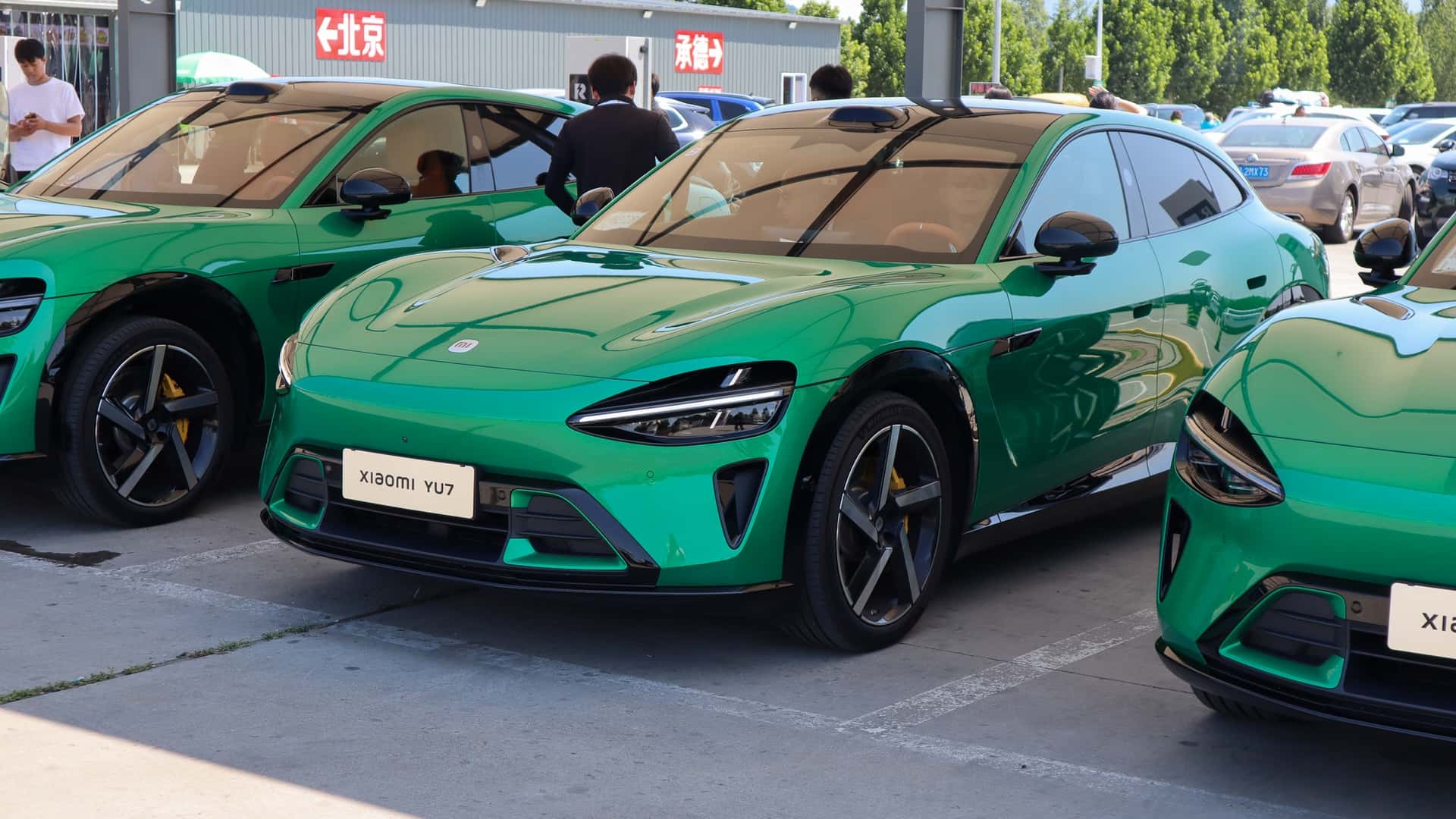
Photo · InsideEVs - Articles
There's a version of this story where you miss what's actually happening. You read "Chinese automaker opens European office" and you file it somewhere between press release and footnote. That would be a mistake.
A writer at InsideEVs has staked out a clear position: Xiaomi has already won in China, and now it's turning its attention to Europe. What makes the piece worth sitting with isn't the headline claim — it's the infrastructure underneath it. An automotive R&D facility. Serious hires. Not a marketing outpost. Not a showroom. A place where engineers solve problems.
That distinction matters more than anything else in the story.
The Badge Isn't the Weapon
European legacy brands have spent years treating Chinese EV competition as a badge problem — unfamiliar names, unfamiliar aesthetics, the assumption that Western buyers won't warm to something they can't pronounce. That framing was always a little convenient. It let the incumbents focus on brand equity rather than the harder question, which is: what happens when the tech stack underneath the unfamiliar badge is better than yours?
Xiaomi is not a car company that learned software. It's a tech company that decided to build cars. The difference is architectural. When your core competency is integrating hardware and software into something people actually want to live with, you don't approach a vehicle the way a century-old manufacturer does. You approach it the way you'd approach a phone, or a TV, or a home appliance — which is to say, as a connected system that earns loyalty through the experience it delivers, not the name stamped on the grille.
The R&D facility is the tell. You don't build that if you're testing the waters. You build it when you've already decided the waters are worth crossing.
What Europe Is Actually Defending
I keep coming back to what the incumbents actually have left to defend. The engineering heritage is real — Stuttgart and Munich didn't earn their reputations by accident. But heritage is a rearview mirror. It tells you where you've been, not how fast the thing behind you is moving.
Xiaomi arrived in the automotive space recently, by any legacy standard. And yet the InsideEVs piece frames this not as a long-shot challenger story but as an inevitability being scheduled. That framing is either overconfident or exactly right, and the R&D facility suggests the latter.
The hires are the other signal. When a company recruits people with deep automotive knowledge in a market they want to enter, they're not buying credibility for a press release. They're buying institutional knowledge they don't have yet — and they're buying it because they intend to use it. That's not the behavior of a company hedging. That's a company building a runway.
Europe's regulatory environment is notoriously complex. The engineering culture is proud and specific. These are real friction points, not invented ones. But friction is a delay, not a wall. And Xiaomi, whatever else you want to say about it, has demonstrated an ability to operate at scale in conditions that would flatten most organizations.
The badge problem, if it ever was one, has a known solution: win on product until the name means something. There's a longer list than people remember of brands that pulled that off.
The lab is open. The engineers are hired. The only question left is what rolls out of it — and how long Europe has to prepare an answer.
Keep reading cars.

800 Horsepower, One Ton of Doubt
Lamborghini built the most powerful SUV it's ever made. It's also slower than what it replaced.

£11,990 Draws a Line Under Every Excuse You Had Left
Dacia just made the cheapest new car in Britain electric — and that's not a footnote, it's a verdict.
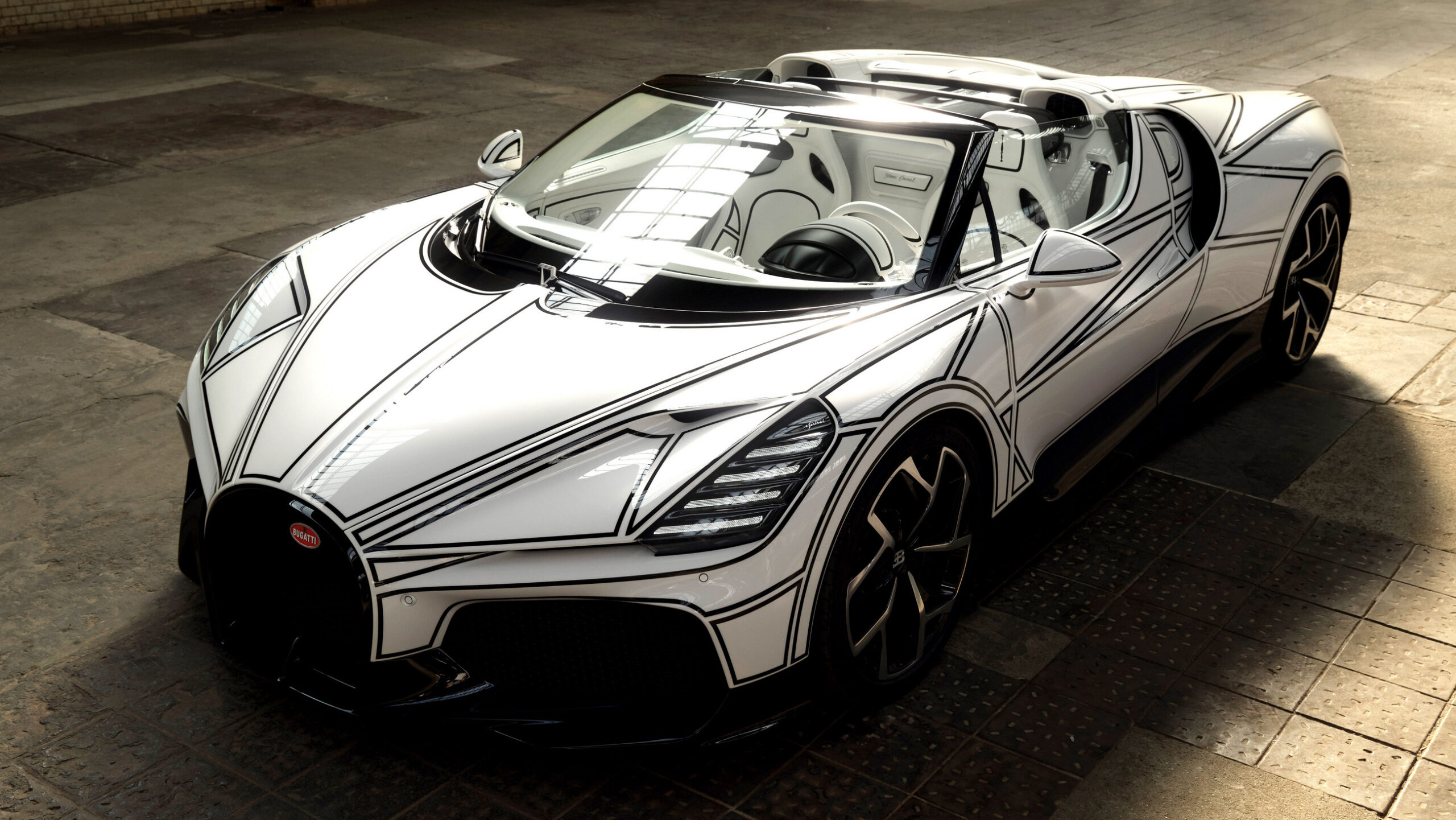
Blanc Éternel Hides Its Speed Behind a Gas Cap
Bugatti built a 261-mph roadster and made sure you'd notice the porcelain first.
From the other desks.

Gold Leaf on a Lacquer Dial, and the Weight of What That Costs
Awake's Frosted Leaf Royal Blue asks a question Vietnamese craft has never quite had to answer at this price.

ESPN Named Him. Then Unnamed Him. Nobody's Explaining the Gap.
A retraction without a reckoning is just a deleted link.

Hide My Email Has Been Showing Your Email
Apple's privacy flagship has a hole in it. They've known for over a year.