At the 2026 World Cup, the Boot Is the Message
When an airline makes a better football shoe than most football brands, something fundamental has shifted.
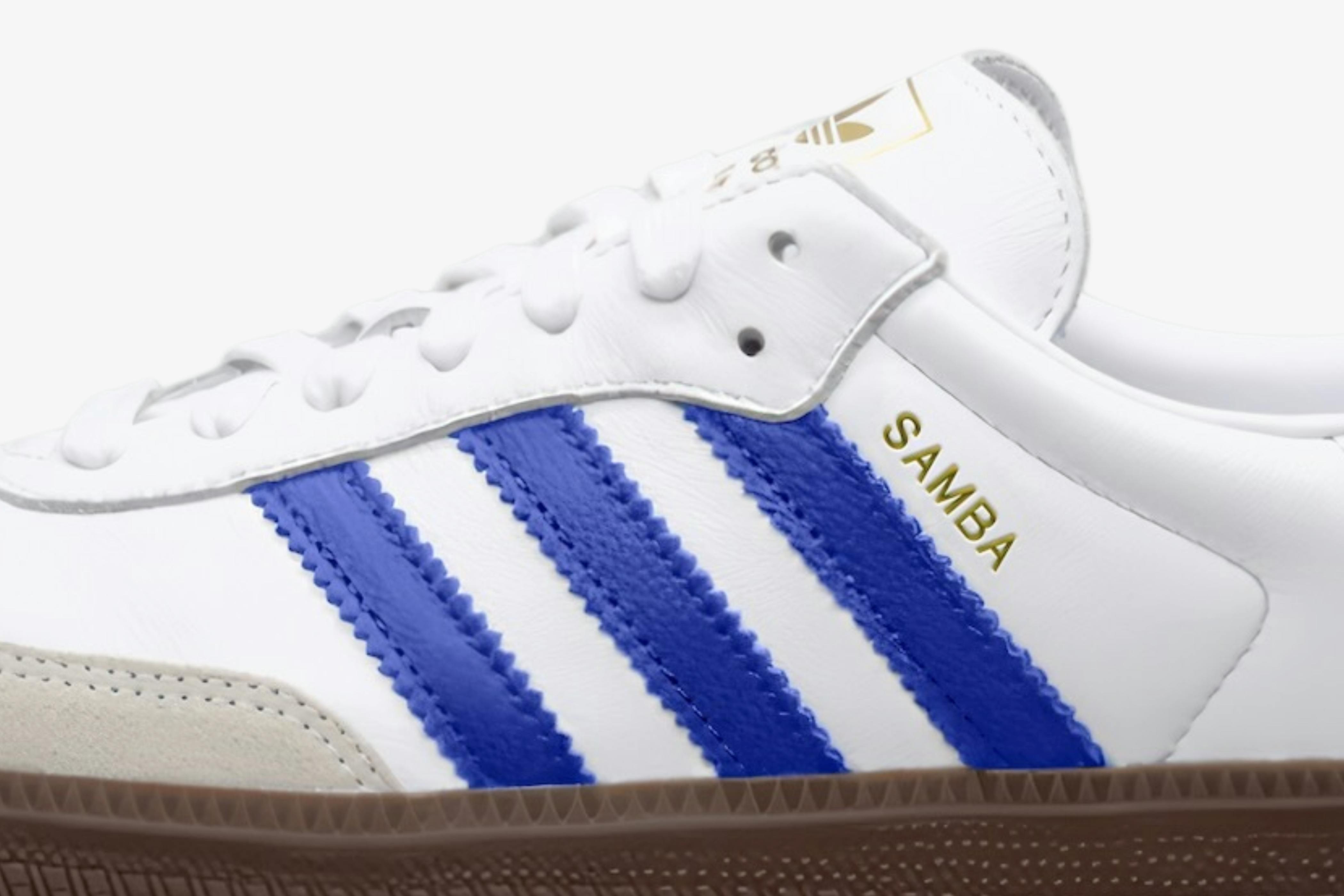
Photo · Highsnobiety
The Grass Isn't the Point Anymore
Picture a footballer lacing up before the biggest tournament on earth. The ritual hasn't changed in a century — the pull of the tongue, the double-knot, the few seconds of stillness before everything accelerates. What's changed is who made the shoe. What it means. Who it's really for.
The 2026 World Cup has produced a wave of football boot collaborations that, taken together, feel less like a marketing cycle and more like a reckoning. Wales Bonner and adidas. Nike and Travis Scott. New Balance and Aimé Leon Dore. And then — the one that stops you mid-scroll — United Airlines and adidas, dropping a Samba as part of the carrier's centennial celebrations. An airline. A football boot. For the World Cup.
Highsnobiety called it one of the craziest sneaker collabs of 2026, which is either the understatement of the year or the most accurate sentence written about footwear in a long time. I keep turning it over. Not because it's absurd — it is — but because of what it reveals when you hold it next to everything else happening in the same product category at the same moment.
Cultural Permission as the New Performance Spec
For most of football's history, the boot was evaluated on what it could do. Grip. Touch. Weight. The names on the tongue were those of the boot makers, occasionally a sponsored athlete. The relationship between maker and wearer was transactional, almost medicinal: here is the tool, go perform.
What the 2026 collaborations are doing is something structurally different. Wales Bonner brings a fashion house's vocabulary — one that has spent years thinking about Blackness, diaspora, and craft — to a boot worn in the world's most watched sporting event. Travis Scott brings a cultural gravity that has nothing to do with football and everything to do with what it means to be seen wearing something. Aimé Leon Dore brings a New York aesthetic that references old sport through a very contemporary lens. These aren't endorsements. They're arguments. Each collaboration is staking a claim about what football culture is, who it belongs to, and what it should look like.
The United Airlines Samba is the logical extreme of this logic — and also its most honest expression. The airline isn't pretending to have a football heritage. It's not even pretending to have a sneaker heritage. It has a centennial, and it has brand managers who recognized that the 2026 World Cup, hosted in North America, was a moment of sufficient cultural mass to attach meaning to. The Samba — already one of the most culturally loaded silhouettes in footwear — does the heavy lifting. United Airlines just wrote the check and showed up.
And here's what's uncomfortable about that: it works. Or at least, it's legible. We know how to read it. The grammar of collaboration has become so fluent that an airline can speak it without an accent.
What Gets Lost When Everything Is a Collab
Highsnobiety's framing — that the boots are better than the kits this cycle — says something worth sitting with. The kits, worn by nations, carry an obligation to represent. They have to be for everyone, or at least gesture convincingly in that direction. The boots are different. A boot can be an edition. A statement. A thing you either understand or you don't.
That selectivity is the point of the collaboration economy. It creates in-groups. It converts cultural knowledge into a kind of currency — you either know why Wales Bonner matters, or you're watching from the outside. There's nothing cruel about that, but there's nothing neutral about it either. The tournament is nominally the most universal sporting event humans have devised. The merchandise ecosystem around it is increasingly stratified by exactly the kind of cultural fluency that not everyone has equal access to.
I'm not sure that's a problem so much as an honest reflection of how fashion and sport have merged over the past decade. The pitch is one world. The product around it is several.
The Boot You'll Remember
Still, something in the Wales Bonner x adidas collaboration cuts through the noise differently. There's an intentionality there — a designer with a specific and serious point of view meeting a sporting context that traditionally doesn't make room for that kind of seriousness. Whether it performs on grass matters less than whether it performs as an object, as a statement, as a thing that earns its place in the story of what this tournament meant.
The United Airlines Samba will be remembered as the punchline that wasn't quite a punchline. The Travis Scott Nike will be remembered as the one that moved the most units. The Wales Bonner will be remembered as the one someone kept.
Maybe that's how it's always been. The tournament ends, the trophies get lifted, and what lingers is rarely the scoreline. It's the image. The gesture. The thing someone wore that made you look twice and think: who decided that? And why does it feel like it means something?
Lacing up has always been a ritual. Now it's also a broadcast.
Keep reading fashion.

Gold Leaf on a Lacquer Dial, and the Weight of What That Costs
Awake's Frosted Leaf Royal Blue asks a question Vietnamese craft has never quite had to answer at this price.
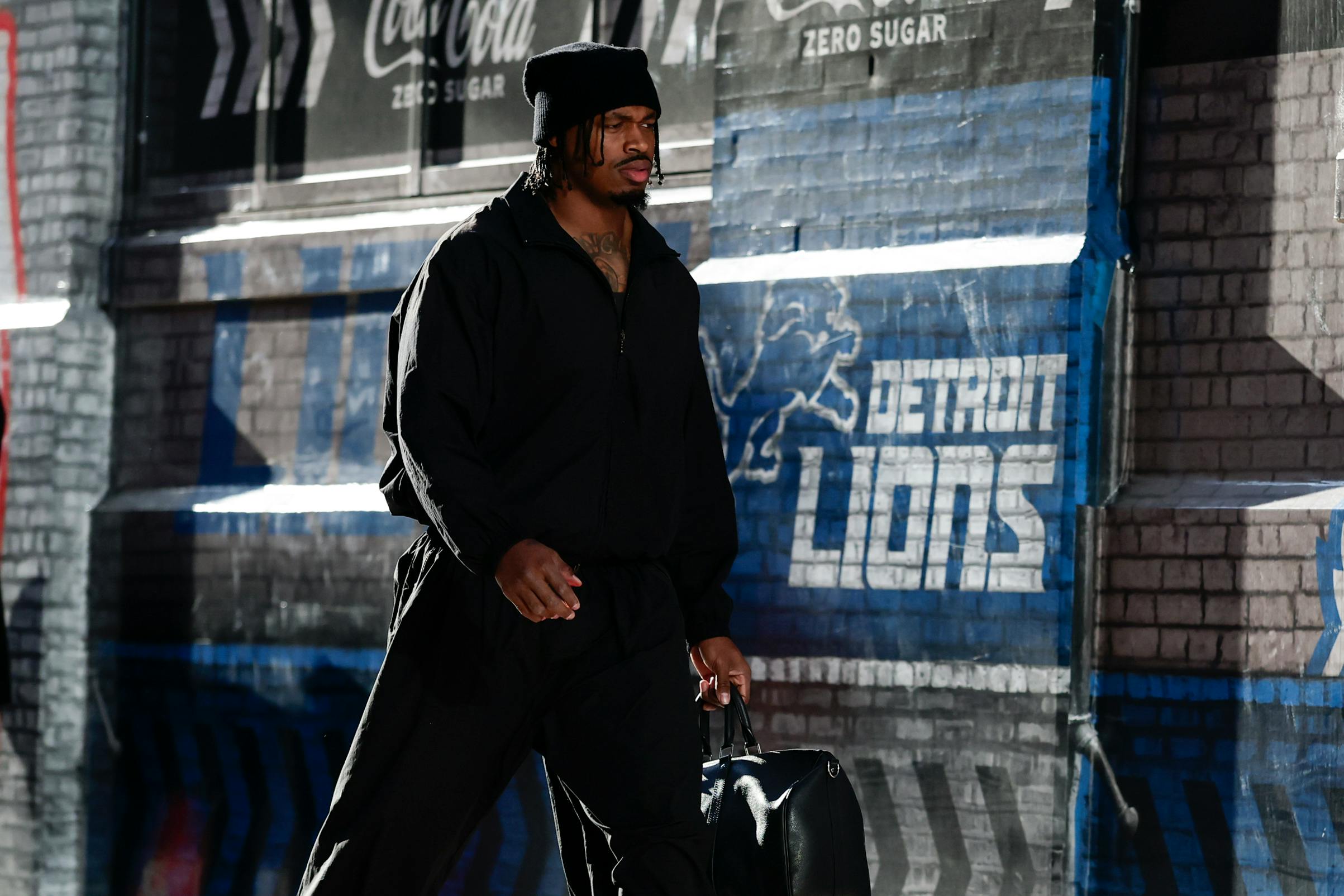
Kyle Smith Has a Job Title That Didn't Exist Before. That's the Whole Tell.
When the NFL hires a fashion editor, it's not about clothes — it's about who gets to decide what matters.
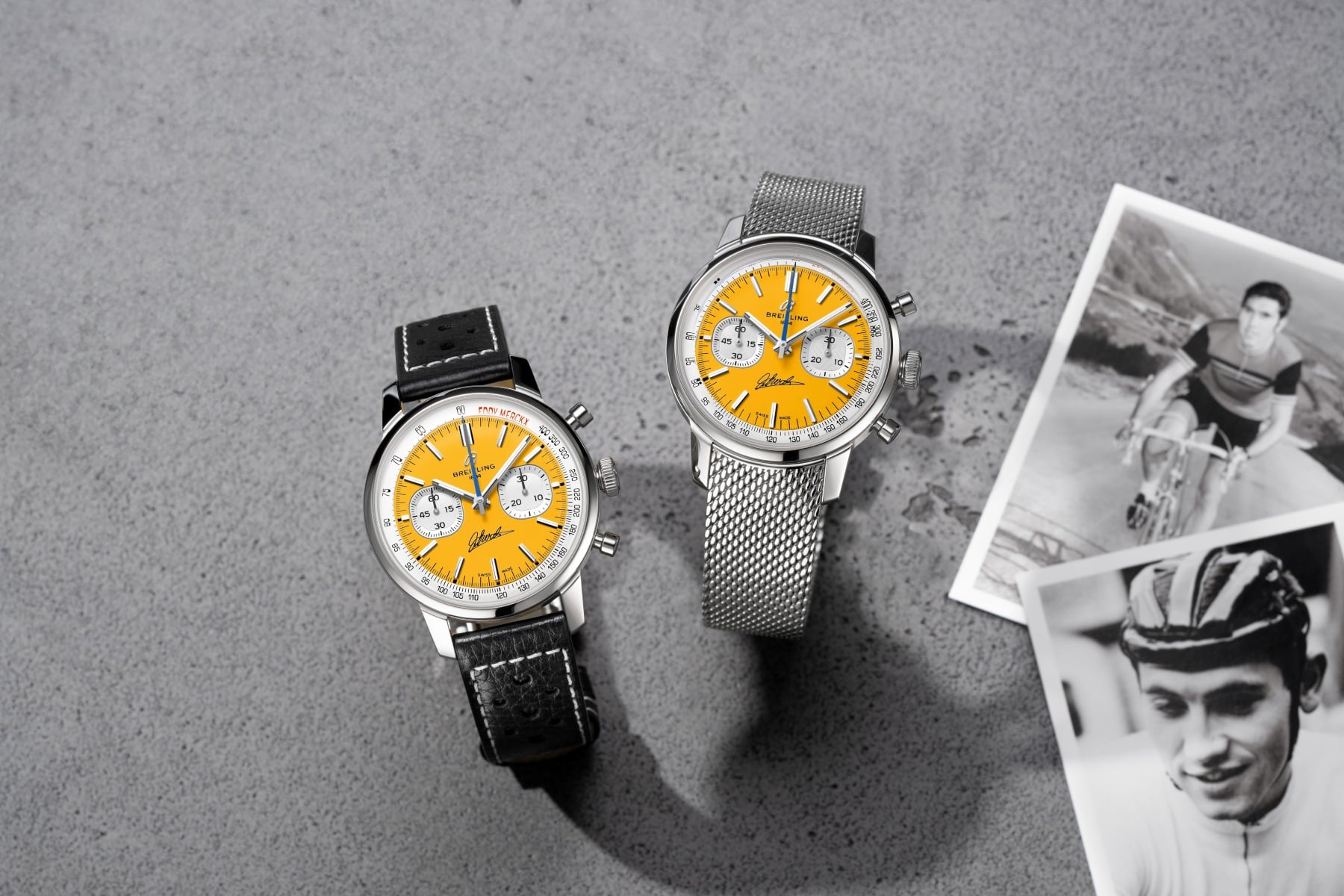
525 Victories, One Dial, and Cycling's Long Wait for a Wrist
Breitling's Eddy Merckx edition doesn't just reference a legend — it asks whether motorsport's younger sibling has finally earned its place in serious watch culture.
From the other desks.

800 Horsepower, One Ton of Doubt
Lamborghini built the most powerful SUV it's ever made. It's also slower than what it replaced.

ESPN Named Him. Then Unnamed Him. Nobody's Explaining the Gap.
A retraction without a reckoning is just a deleted link.

Hide My Email Has Been Showing Your Email
Apple's privacy flagship has a hole in it. They've known for over a year.