Shoes Before Everything
New creative directors at Chanel and Dior aren't introducing themselves with a coat or a campaign. They're starting at the floor.

Photo · WWD
There's a logic to it, once you see it. A new creative director walks into one of the great houses — Chanel, Dior, any of them — and the first thing they reach for isn't the archives. It's a last.
WWD has noticed the pattern: the wave of recently appointed creative directors at major houses is leading with footwear. Not as a footnote to the collection. As the argument itself. And the observation is worth sitting with, because it says something specific about where design authority actually lives right now.
The Shoe as Position Paper
A coat takes a season to read. It needs context — the silhouette, the fabric, the way it moves on a body in a room. A shoe lands immediately. It has a geometry that communicates before anyone touches it, a relationship to the ground that's almost philosophical. You either believe in the heel height or you don't. You either trust the toe or you don't. There's no hedging in a shoe.
For a new creative director, that directness is useful. You've inherited a house with decades of accumulated meaning, a clientele that has opinions, a team that has its own muscle memory. The pressure to be coherent — to prove you understand what you walked into while also demonstrating why they hired you — is enormous. A shoe can hold both things at once. It can reference without replicating. It can innovate at a scale that's legible without being threatening.
There's also the retail reality, which WWD rightly refuses to ignore. A shoe sells in a way that a vision board does not. When a new creative director needs to demonstrate that their aesthetic can move product — that their ideas translate into something a customer will choose, pay for, carry home — footwear is the most direct line between concept and commerce. The shoe is not just the argument. The shoe is the proof.
What This Moment Requires
It's worth asking why this is happening now, with this particular generation of appointments. These are creative directors walking into houses at a moment of genuine market pressure, when the relationship between fashion and its customer is being renegotiated in real time. The era of the grand, abstract gesture — collections that existed primarily to be photographed and discussed — has not ended, but it has been complicated. Brands need both the conversation and the conversion.
Shoes are where those two things can coexist without contradiction. A beautifully considered shoe can generate the kind of image that drives editorial coverage and cultural cachet. It can also sit in a window and sell. That dual function is not new, but the conscious use of it as an opening statement — as a way of declaring creative identity before you've shown a full collection — that feels like a response to a specific moment.
A writer at WWD has done the work of naming the pattern. What interests me is the underlying bet each of these directors is making: that design authority, in 2024, is demonstrated from the ground up. That you earn the right to touch the archives, the tailoring, the iconography — by first proving you understand proportion at the most intimate scale. The scale of a foot.
If they're right, the shoe is not a compromise. It's a manifesto in leather.
Keep reading fashion.

Gold Leaf on a Lacquer Dial, and the Weight of What That Costs
Awake's Frosted Leaf Royal Blue asks a question Vietnamese craft has never quite had to answer at this price.
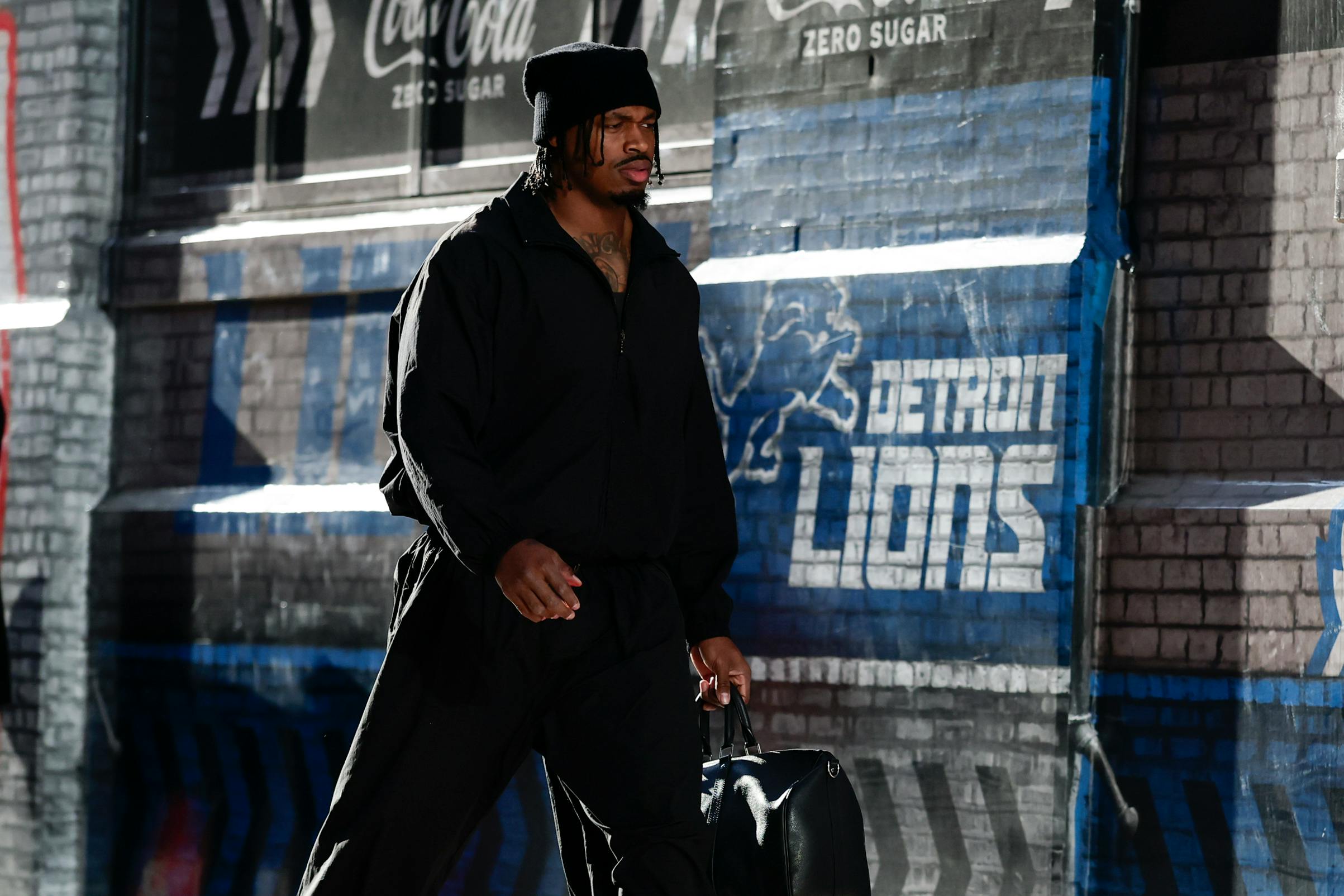
Kyle Smith Has a Job Title That Didn't Exist Before. That's the Whole Tell.
When the NFL hires a fashion editor, it's not about clothes — it's about who gets to decide what matters.
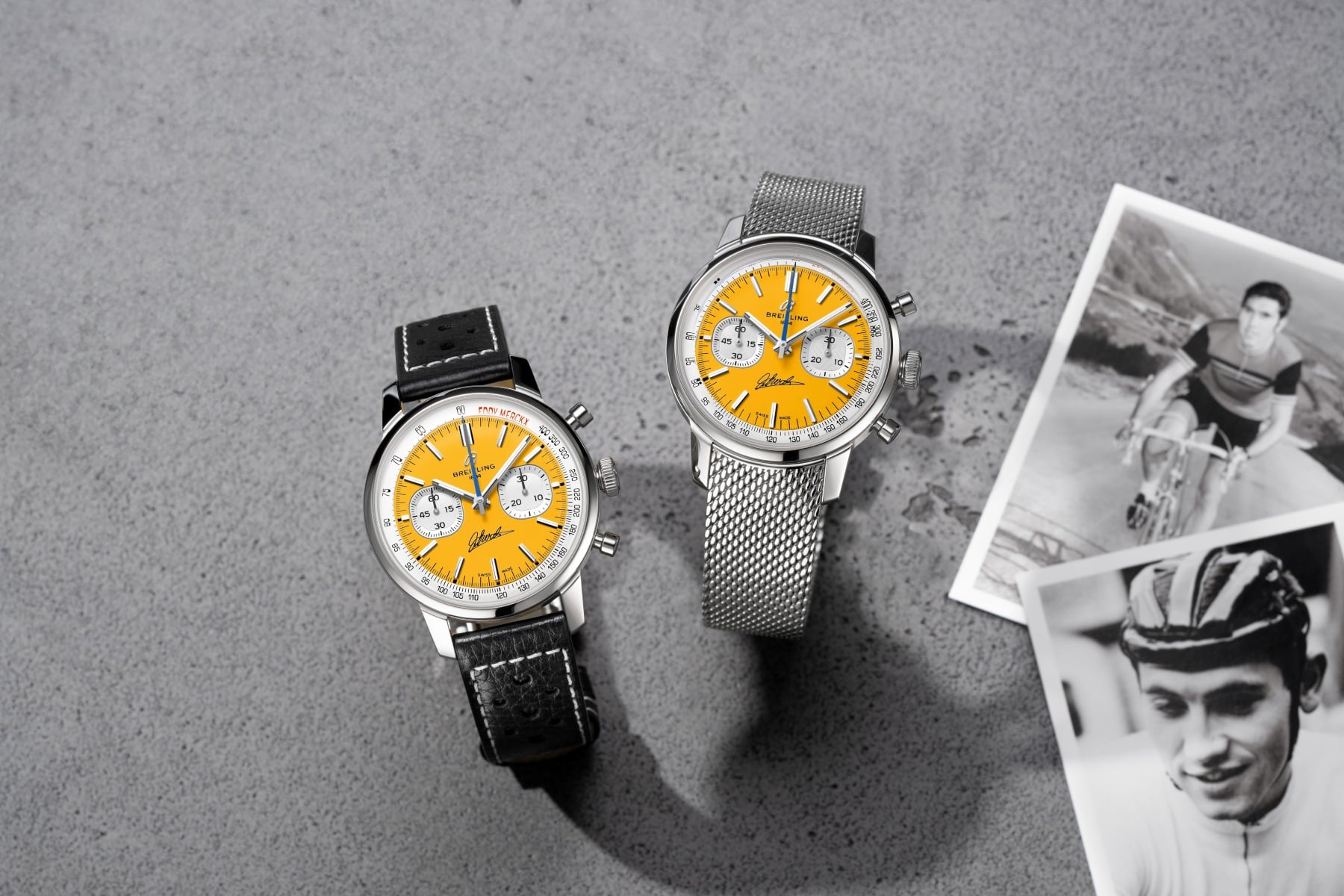
525 Victories, One Dial, and Cycling's Long Wait for a Wrist
Breitling's Eddy Merckx edition doesn't just reference a legend — it asks whether motorsport's younger sibling has finally earned its place in serious watch culture.
From the other desks.

800 Horsepower, One Ton of Doubt
Lamborghini built the most powerful SUV it's ever made. It's also slower than what it replaced.

ESPN Named Him. Then Unnamed Him. Nobody's Explaining the Gap.
A retraction without a reckoning is just a deleted link.

Hide My Email Has Been Showing Your Email
Apple's privacy flagship has a hole in it. They've known for over a year.