VW Spent Years Saying No. Here's What Changed.
The Golf and T-Roc finally get a full hybrid — and the architecture tells you everything about why it took this long.
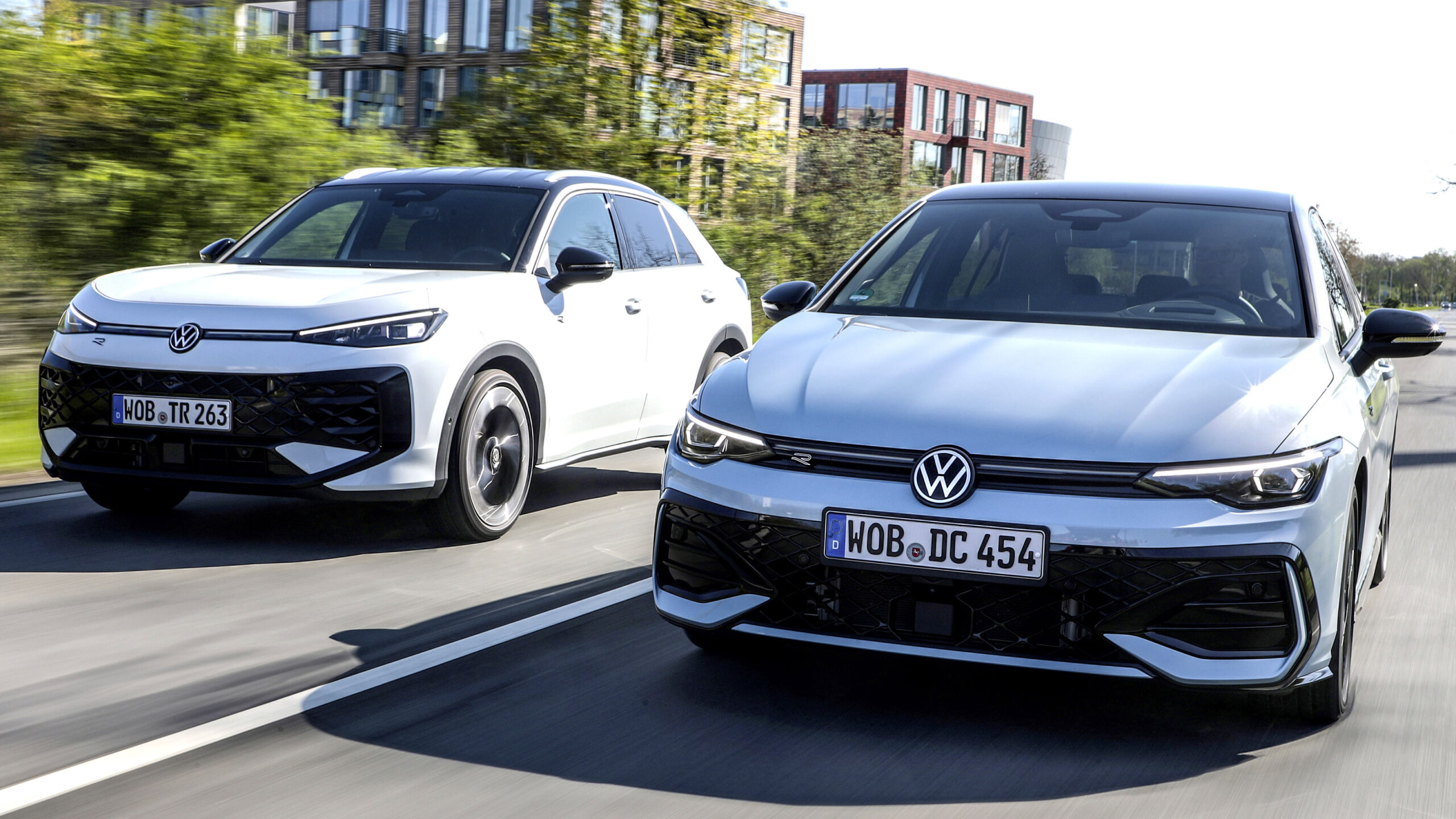
Photo · Carscoops
There's a moment in every engineering standoff when pride loses to the market. For Volkswagen, that moment is arriving before the end of this year, tucked beneath the boot floor of a Golf.
The setup is straightforward enough on paper: a 1.5-litre turbocharged four-cylinder paired with a front-mounted electric motor, a 1.6kWh battery integrated into the floor of the boot, and a seven-speed dual-clutch gearbox handling the whole transaction. Two power outputs — 136bhp and 170bhp — with the Golf expected to receive the stronger variant in several global markets, including the US. Front-wheel drive only. Both the Golf hatchback and the T-Roc SUV get it. Europe first, before the year is out.
None of that is surprising. What's surprising is that it took this long.
The Honda Shape
Autocar noted the obvious: this is a Honda-style full hybrid. That framing matters. Honda has been running integrated petrol-electric systems — motor in, gearbox simplified, battery small and tucked away — for long enough that the architecture has become a benchmark. Not a novelty. A known quantity. Fuel economy you can explain to your parents. Transitions smooth enough that most drivers never notice them happening.
Carscoops put it more directly, observing that below 37 mph the new Golf hybrid runs like a Prius before it remembers what badge is on the steering wheel. That's not a knock. That's a description of competence. The Prius proved something the European establishment spent a decade being polite about dismissing: that a hybrid which prioritizes efficiency over drama can sell in enormous numbers to people who simply want the thing to work.
Volkswagen resisted building exactly this for years. They had mild hybrids, plug-in hybrids, and a full electric lineup pushing harder than almost anyone else in the segment. What they didn't have was the unglamorous middle option — the car that charges itself, costs less than a PHEV, and doesn't require you to think about cables.
What Pragmatism Actually Looks Like
The 1.6kWh battery is small by any modern standard. It's not meant to carry you across town on electricity alone. It's meant to recover energy, smooth the transitions, cut fuel burn in traffic, and disappear into the floor without eating your boot space in any meaningful way. That's a very specific set of priorities, and they are Japanese in origin and European in execution.
The dual-clutch gearbox is the interesting choice. Honda's system famously dispenses with a conventional multi-speed transmission in favor of something simpler. VW kept the seven-speed DCT — familiar territory for them, and a different answer to the same engineering question. Whether that choice costs them anything in real-world efficiency or smoothness is something the road tests will settle.
What the architecture signals, though, is that VW has stopped arguing. The market for full hybrids — not plugged in, not fully electric, just quietly, reliably efficient — is real and large and not going away. Honda knew it. Toyota knew it. Volkswagen, a company that has never lacked for confidence in its own engineering judgment, has now confirmed it by building the thing.
Two power levels. Two body styles. Global reach. The Golf going to the US in 170bhp form suggests VW sees this as more than a compliance exercise for one market. It's a powertrain they intend to sell at scale.
The Golf has always been a car that earns its reputation by being exactly right for the moment it's in. Right now, the moment calls for a hybrid that doesn't need explaining. VW got there — just not first.
Keep reading cars.

800 Horsepower, One Ton of Doubt
Lamborghini built the most powerful SUV it's ever made. It's also slower than what it replaced.

£11,990 Draws a Line Under Every Excuse You Had Left
Dacia just made the cheapest new car in Britain electric — and that's not a footnote, it's a verdict.
Blanc Éternel Hides Its Speed Behind a Gas Cap
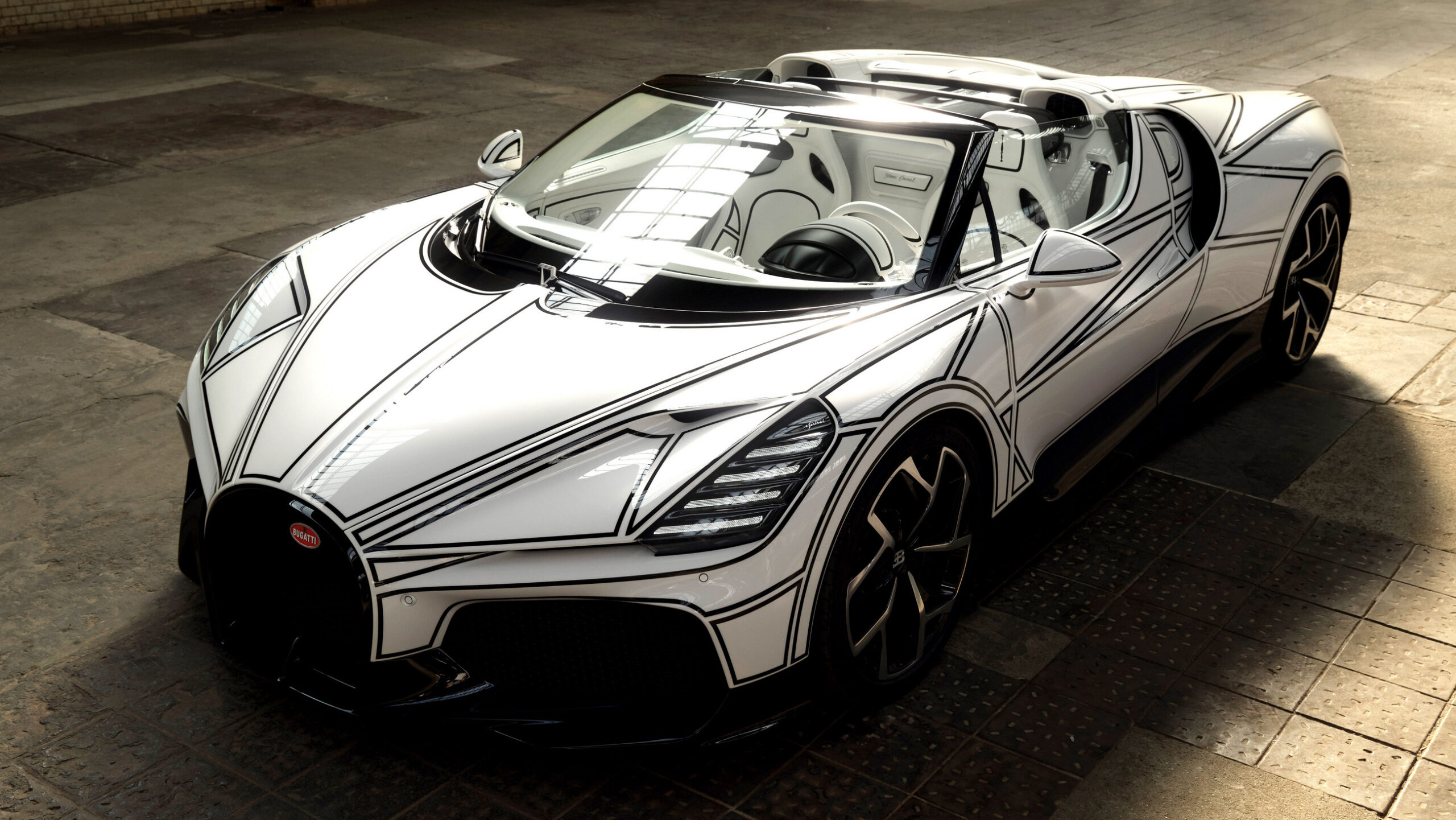
Bugatti built a 261-mph roadster and made sure you'd notice the porcelain first.
From the other desks.

Gold Leaf on a Lacquer Dial, and the Weight of What That Costs
Awake's Frosted Leaf Royal Blue asks a question Vietnamese craft has never quite had to answer at this price.

ESPN Named Him. Then Unnamed Him. Nobody's Explaining the Gap.
A retraction without a reckoning is just a deleted link.

Hide My Email Has Been Showing Your Email
Apple's privacy flagship has a hole in it. They've known for over a year.