Nobody Has Driven It. Musk Already Knows It's the Last.
The Tesla Roadster has been a promise for eight years. Now it's also a eulogy.
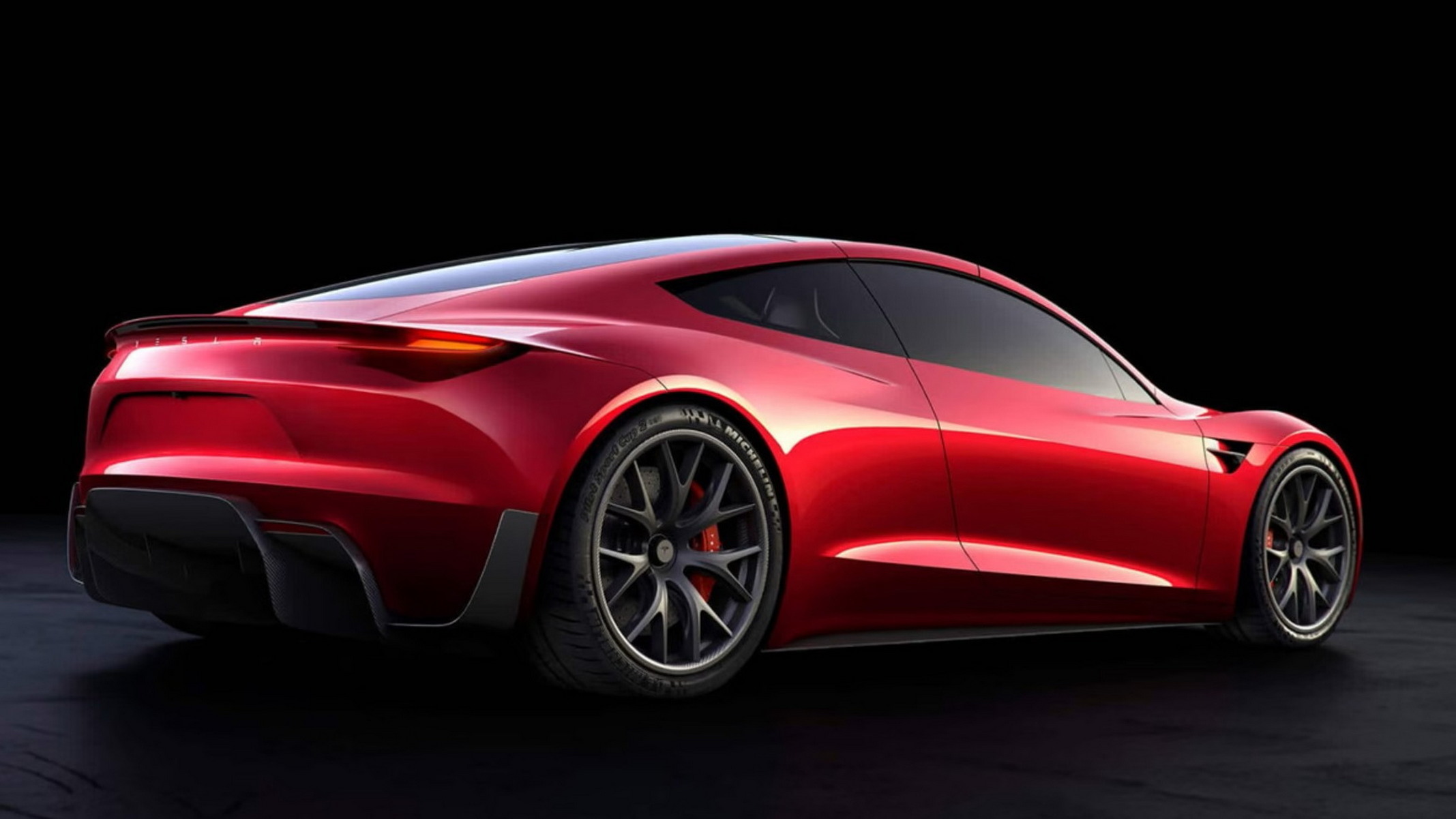
Photo · Carscoops
There's a particular kind of audacity in declaring an era over before the thing meant to close it has even shipped.
Elon Musk said it plainly on Tesla's earnings call: the Roadster will be the last manually driven car the company makes. Long term, every Tesla becomes an autonomous vehicle — different sizes, different forms, but the same essential proposition. The human hand on the wheel, optional at best, legacy at worst.
The Roadster was unveiled in 2017. It was promised for 2020. It is, according to Carscoops, currently sitting somewhere in design development — which is automotive-speak for: not here yet, and no hard date in sight. So we have a car nobody has driven being assigned the most loaded designation in the industry. Last of its kind. End of the line. A tombstone for manual control, placed over a car that hasn't been born.
That's not necessarily a criticism. It might just be honesty.
The Confession Inside the Statement
What Musk actually said is worth sitting with. Not the hype, not the specs, not the implied performance numbers attached to a vehicle that has existed mostly as a rendered image and a stage reveal — but the structural belief embedded in the statement. Tesla doesn't think of the steering wheel as a feature. It thinks of it as a transitional artifact. Something you keep around while the technology catches up, and then quietly retire.
When he says the Roadster makes sense as the last manually driven car, he isn't eulogizing driving. He's categorizing it. Manual control becomes a niche — enthusiast territory, preserved in amber inside a halo product — while everything else in the lineup moves toward something that doesn't need you at the wheel.
The Drive framed this as Tesla's long-term vision for its lineup: autonomous vehicles of different sizes, the Roadster as the outlier, the exception that proves the new rule. Which means the Roadster isn't just a sports car anymore. It's a philosophical bracket.
A Machine Carrying More Than It Can Weigh
Here's where both sources, taken together, reveal something neither quite says directly: the Roadster has been asked to carry every ambition Tesla has — fastest, most beautiful, most desirable — and now it's also been handed the symbolic weight of representing everything Tesla is leaving behind. That's a lot for a car that, as of this writing, nobody outside a Tesla facility has actually driven.
There's something almost cinematic about that. The last manually driven Tesla isn't a worn-in 3 or an S with 200,000 miles on it. It's a ghost. A concept car with a launch date that keeps sliding. A machine that exists primarily as a statement about what's coming rather than what's here.
The irony is real and it's worth sitting with: the car meant to celebrate human connection to the road — speed, feel, the physical feedback of something alive under your hands — hasn't yet given anyone that experience. And by the time it does, Tesla will have already moved on in its own mind.
Maybe that's fine. Maybe the Roadster was always more idea than object. But if you've ever felt the way a car can change the texture of an afternoon — the way a particular road and a particular machine and a particular moment can become something you carry for years — you know what's being retired here isn't just a feature set.
It's a relationship. And Musk just announced the divorce before the last date.
Keep reading cars.
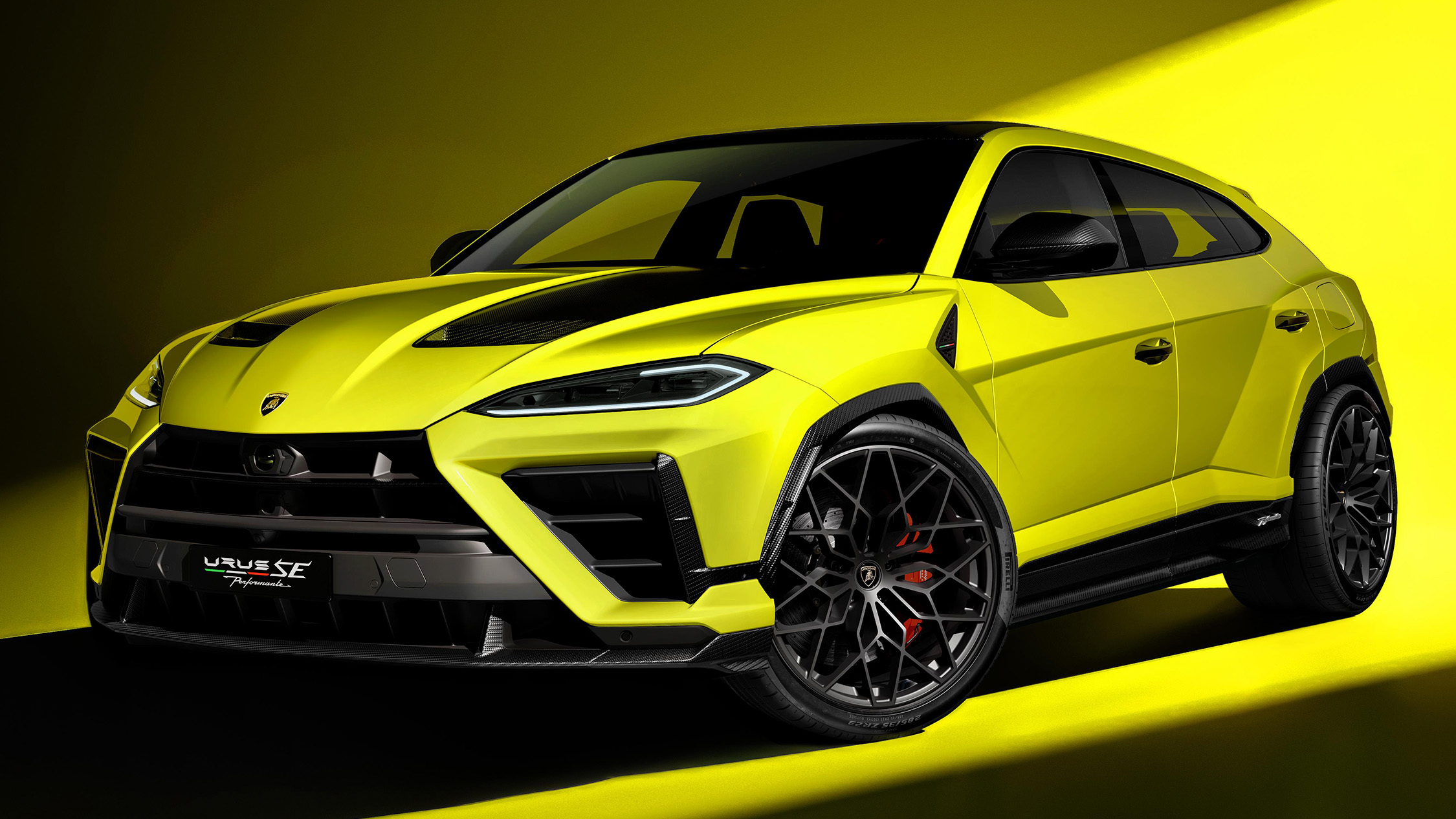
800 Horsepower, One Ton of Doubt
Lamborghini built the most powerful SUV it's ever made. It's also slower than what it replaced.

£11,990 Draws a Line Under Every Excuse You Had Left
Dacia just made the cheapest new car in Britain electric — and that's not a footnote, it's a verdict.
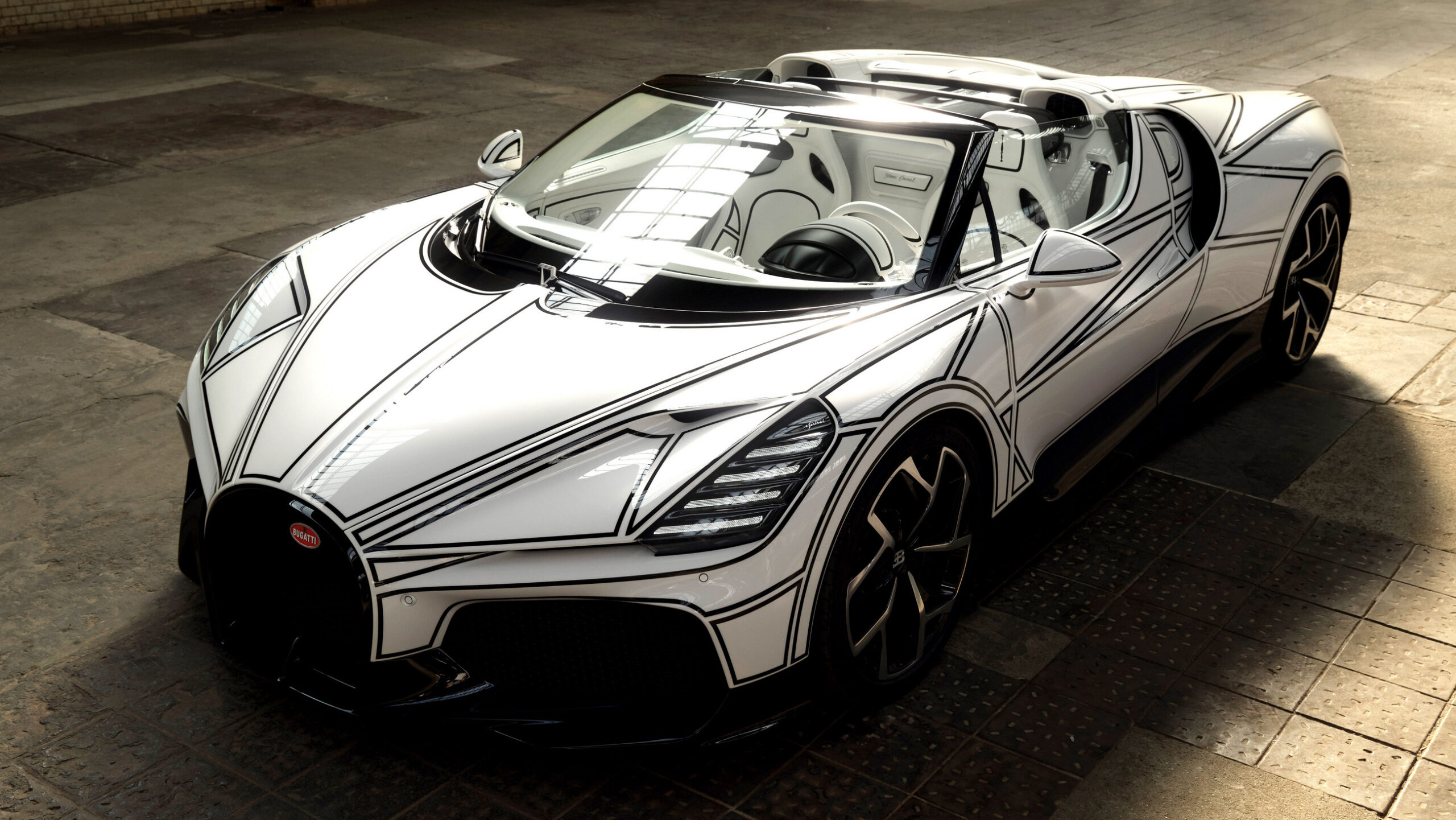
Blanc Éternel Hides Its Speed Behind a Gas Cap
Bugatti built a 261-mph roadster and made sure you'd notice the porcelain first.
From the other desks.
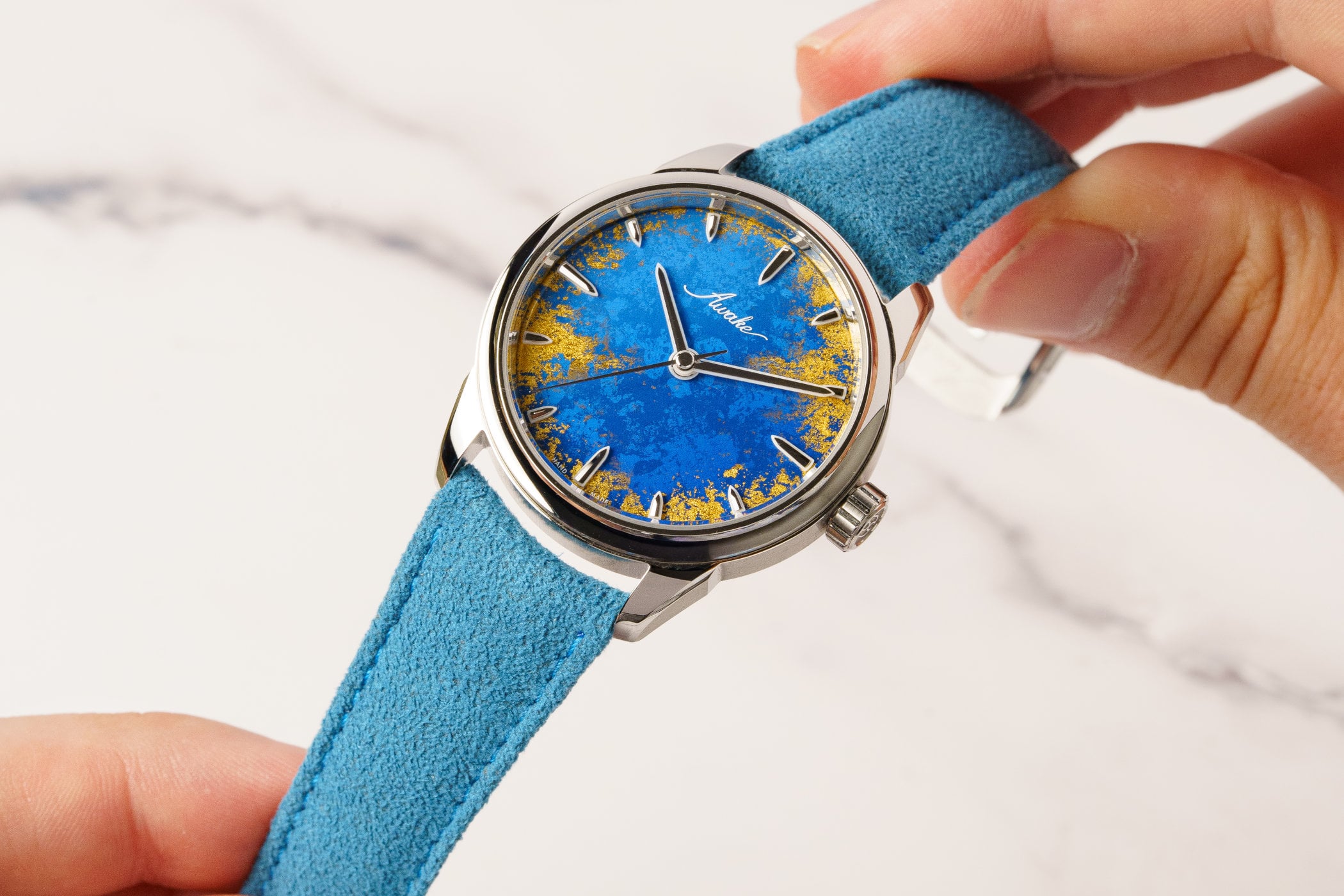
Gold Leaf on a Lacquer Dial, and the Weight of What That Costs
Awake's Frosted Leaf Royal Blue asks a question Vietnamese craft has never quite had to answer at this price.
ESPN Named Him. Then Unnamed Him. Nobody's Explaining the Gap.
A retraction without a reckoning is just a deleted link.
Hide My Email Has Been Showing Your Email
Apple's privacy flagship has a hole in it. They've known for over a year.