Giorgio Armani Opens the Vault and Calls It New
A Highsnobiety piece on ARMANI / Archivio captures something the industry has been circling around for years — the archive isn't the backstory anymore. It's the offer.
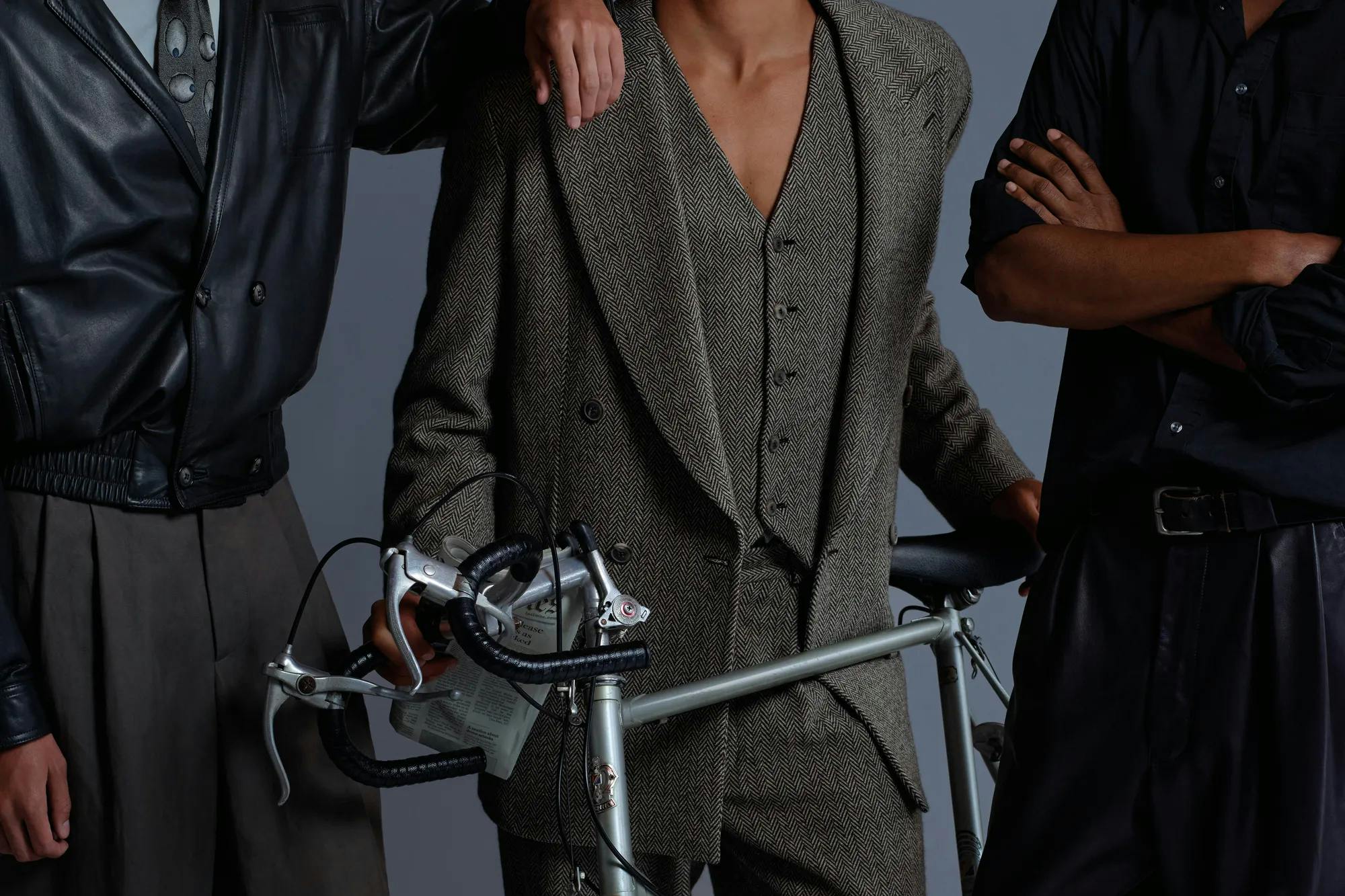
Photo · Highsnobiety
There's a particular confidence in deciding that what you made decades ago is good enough to sell again, unchanged, without apology. Not a reissue softened into a capsule. Not a collab that borrows the logo. The clothes themselves, returned.
Highsnobiety has covered the move by ARMANI / Archivio to take its mission from digital into physical — re-releasing outfits from Armani's golden years, now available in stores. The piece frames it as a natural extension of an earlier digital release of what it calls the bible of Armani. The progression makes sense on its face: first you show the archive, then you sell it.
But what's interesting isn't the logistics. It's what this position, staked out in 2026, says about how heritage operates now.
The Vault Was Always the Product
For years, the language around legacy brands was essentially forward-facing even when it was looking backward. Heritage was a reason to buy the new thing. Provenance was the sauce, not the meal. You got the story; they kept the garment.
What Armani is doing — and what Highsnobiety is recognizing as worth covering — flips that. The archive isn't the backstory for a contemporary collection. The archive is the collection. The golden years aren't context. They're inventory.
This is a meaningful shift. It means the brand trusts that the customer would rather wear 1979 than be reminded of it. That's not a small bet.
Why This Reads Differently Than Nostalgia
Nostalgia, in fashion, usually performs itself. It announces. It puts the reference on the outside so you can read it from across the room. A lot of what gets called heritage is really just cosplay dressed up in provenance.
Re-releasing the actual garments from Armani's golden years is quieter than that. There's no wink, no remix, no distance built in for plausible deniability. A writer at Highsnobiety frames this as the brand's archive mission going IRL — and that phrase carries weight. The move from digital catalog to physical retail is a move from preservation to participation. You're not looking at the past through glass. You're wearing it out the door.
That changes the relationship. The customer who buys one of these pieces isn't buying nostalgia. They're buying a position — a belief that something made then was more considered, more specific, more itself than most of what gets made now. Whether or not that belief is always justified, the demand for it is real and growing.
And Armani, by making the vault accessible rather than protected, is essentially agreeing.
The Confidence Underneath It
What I keep coming back to is the institutional self-assurance required to do this without hedging. No limited-edition framing to manufacture urgency. No collaboration to add a contemporary voice and soften the risk. Just: here are the clothes. They were right then. They're right now.
Most brands can't make that move because they don't fully believe it. They're too invested in the present collection, too nervous about making the new work look less important by comparison. The archive stays in the archive because releasing it honestly would raise questions about what exactly has been gained in the decades since.
Armani's answer, apparently, is that the question doesn't scare them.
Highsnobiety publishing this as a cultural moment rather than a retail announcement tells you something too. This isn't being covered as a sale. It's being covered as a statement — which means the industry is reading it that way.
When the vault becomes the product, the brand stops asking permission to be relevant. It already was.
Keep reading fashion.

Gold Leaf on a Lacquer Dial, and the Weight of What That Costs
Awake's Frosted Leaf Royal Blue asks a question Vietnamese craft has never quite had to answer at this price.
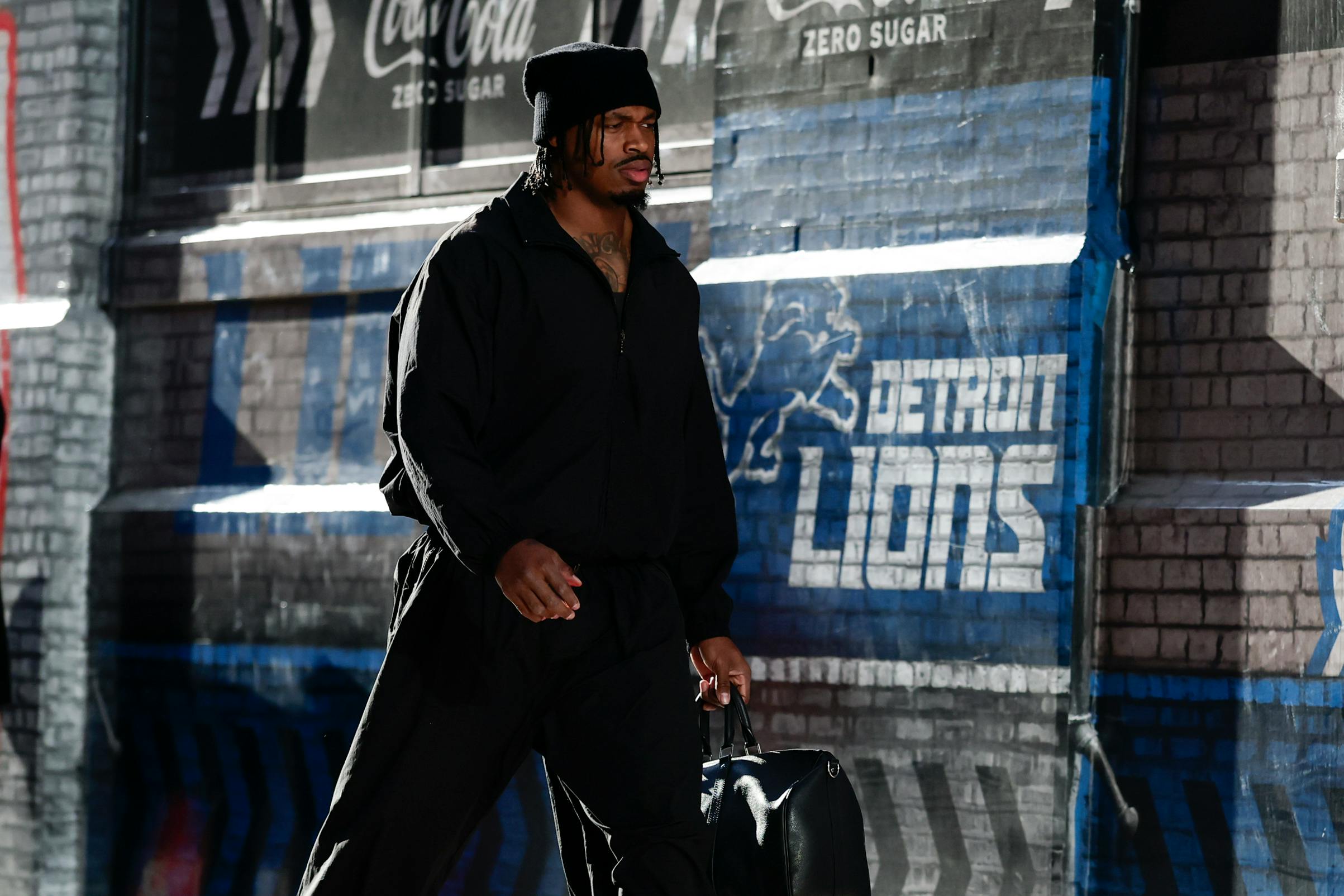
Kyle Smith Has a Job Title That Didn't Exist Before. That's the Whole Tell.
When the NFL hires a fashion editor, it's not about clothes — it's about who gets to decide what matters.
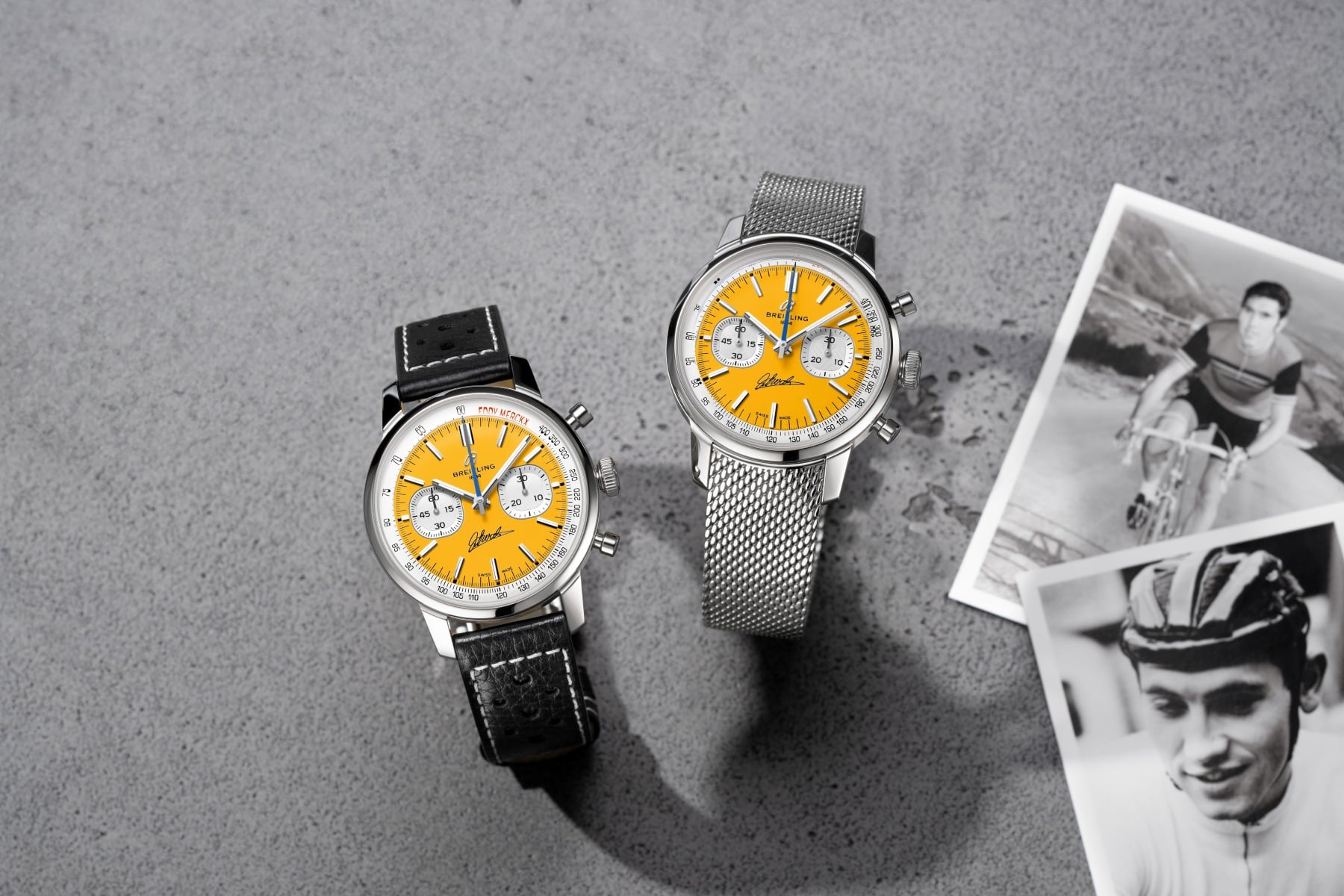
525 Victories, One Dial, and Cycling's Long Wait for a Wrist
Breitling's Eddy Merckx edition doesn't just reference a legend — it asks whether motorsport's younger sibling has finally earned its place in serious watch culture.
From the other desks.

800 Horsepower, One Ton of Doubt
Lamborghini built the most powerful SUV it's ever made. It's also slower than what it replaced.

ESPN Named Him. Then Unnamed Him. Nobody's Explaining the Gap.
A retraction without a reckoning is just a deleted link.

Hide My Email Has Been Showing Your Email
Apple's privacy flagship has a hole in it. They've known for over a year.