36mm, 1776, and a Brand Deciding to Trust Itself
Hamilton's new Khaki Field Mechanical isn't nostalgia marketing — it's something quieter and more interesting than that.
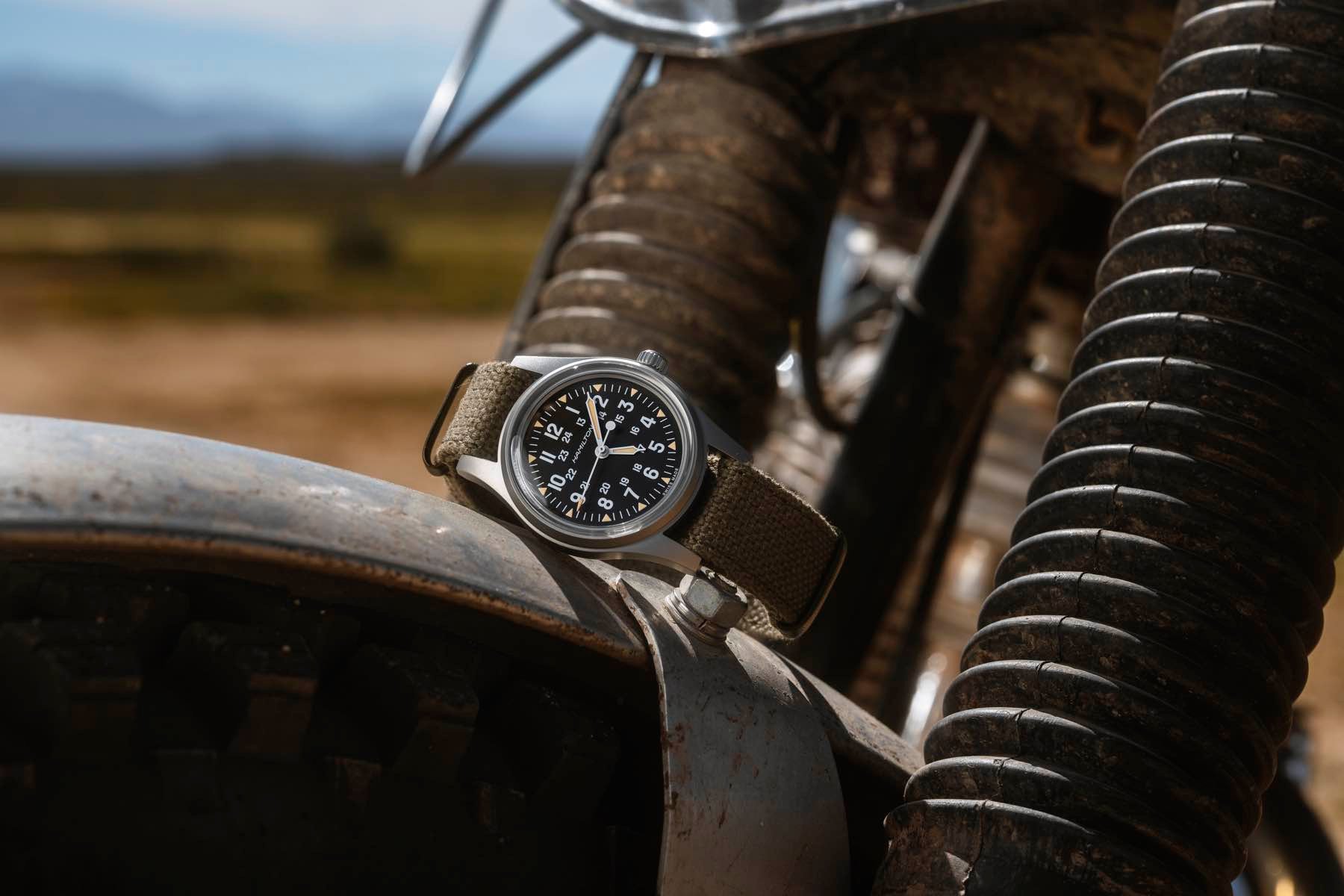
Photo · Fratello Watches – The Magazine Dedicated To Luxury Watches
Three publications covered the Hamilton Khaki Field Mechanical 36mm this week. Read them together and a single observation surfaces, one that none of them quite say aloud: Hamilton didn't design a smaller watch. Hamilton finally stopped apologizing for the one it already had.
The case size is the headline, but it isn't the story. The story is permission.
What the Sources Agree On
Fratello notes that Hamilton stayed rather true to the original spec — a U.S. military navigator's reference from around 1970, niche even within the Khaki Field lineage. Time+Tide traces the direct lineage to U.S. Air Force-issued references and flags that availability runs only through 2026. Worn & Wound adds another layer: a U.S.-exclusive variant limited to 1,776 pieces, a number chosen deliberately to echo the year the Declaration of Independence was signed, released as part of Hamilton's acknowledgment of America's 250th anniversary.
Three separate angles. The same underlying object. And collectively, they describe a watch that is doing something fashion has been circling for a few years now — grounding itself so specifically in a real origin point that it becomes impossible to accuse of trend-chasing.
That's harder than it sounds.
The Permission Slip
When a brand reaches back into its own archive, there are two ways to do it. One is decorative — lift the aesthetic, sand off the rough edges, repackage it for a market that responded well to something that looked like this once. The other is archaeological — find the actual reference, study what it was made for, and let that function dictate the form.
The 36mm Khaki Field is the second kind. Military navigator's watch, circa 1970, meant to be worn in the field, readable, reliable, unadorned. The case size isn't a concession to the current smaller-watch conversation — it's what the original was. Hamilton isn't following a trend. It's reporting a fact.
That distinction matters more in fashion than people admit. The market is full of brands that have learned to speak the language of heritage without actually having anything to say. They borrow the vocabulary — the aged lume, the canvas strap, the utilitarian dial — and deploy it as atmosphere. It reads fine from a distance. Up close, it's hollow.
What Hamilton has here is a source. A specific watch, a specific era, a specific branch of service. The 36mm case isn't a stylistic choice so much as a historical one. And the 1,776-piece limit on the American variant isn't clever marketing so much as a brand leaning into its own biography — Hamilton has American roots, military ties, a story that predates the current appetite for all of this. The number just makes that legible.
The question was always whether Hamilton trusted that story enough to tell it straight. For a long time, the answer felt like no. Bigger cases, broader positioning, the kind of moves a brand makes when it isn't sure the core is enough.
This watch suggests the calculation has shifted.
What Stays With You
The 2026-only availability noted by Time+Tide creates a different kind of scarcity than a numbered edition. It's temporal rather than numerical — not how many, but how long. That's a subtle distinction, and a more honest one. It says: this moment has a window. It doesn't say: panic.
Worn & Wound's framing around the 250th anniversary adds patriotic scaffolding that some will find meaningful and others will find corny. Both reactions are legitimate. What's not in dispute is the object underneath the occasion — a well-proportioned, mechanically wound field watch with a direct line back to something real.
In a room full of watches performing heritage, that directness is its own kind of statement.
The brands that survive the current moment in watch fashion won't be the ones who chased the aesthetic hardest. They'll be the ones who had the archive and finally had the confidence to open it.
Keep reading fashion.

Gold Leaf on a Lacquer Dial, and the Weight of What That Costs
Awake's Frosted Leaf Royal Blue asks a question Vietnamese craft has never quite had to answer at this price.
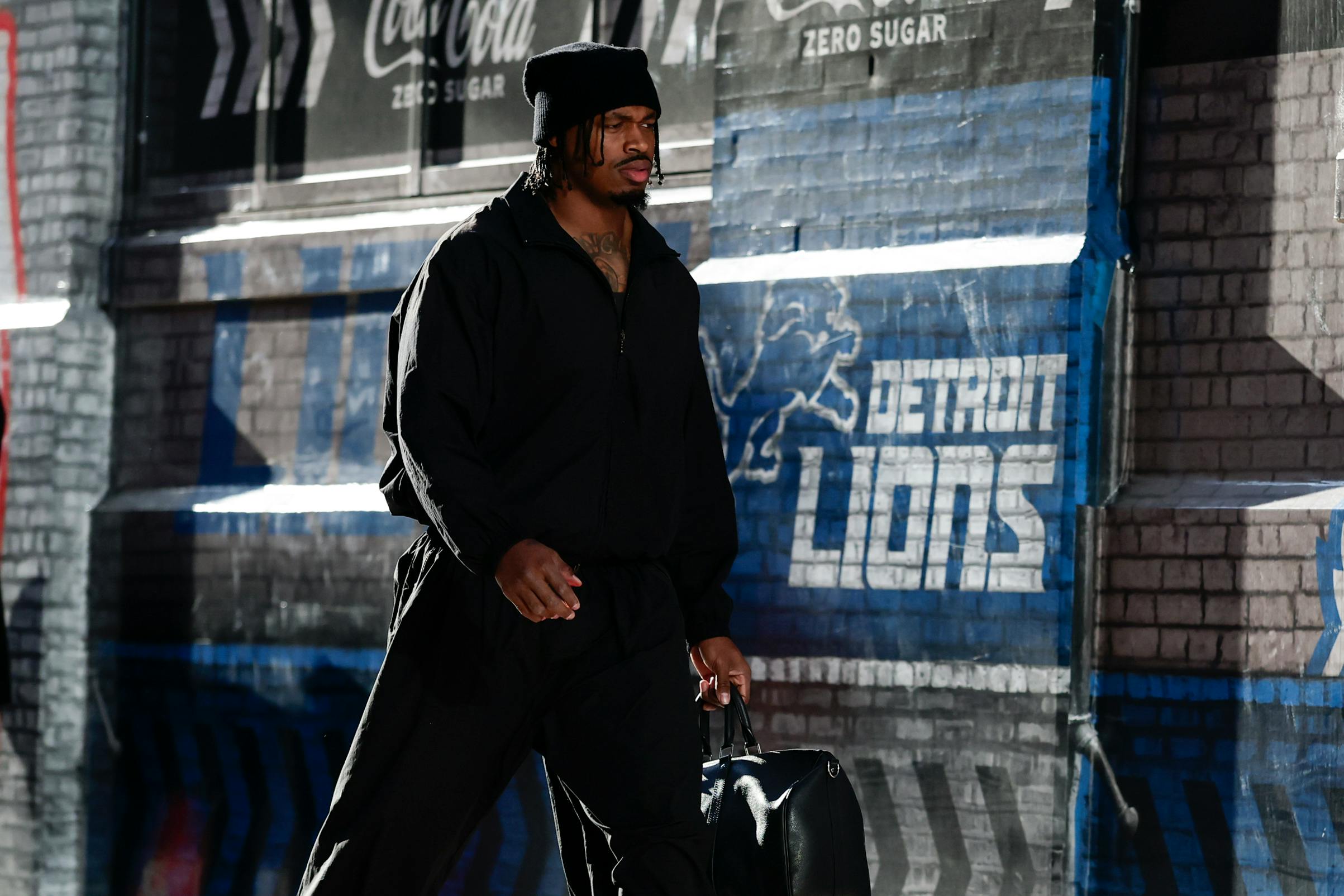
Kyle Smith Has a Job Title That Didn't Exist Before. That's the Whole Tell.
When the NFL hires a fashion editor, it's not about clothes — it's about who gets to decide what matters.
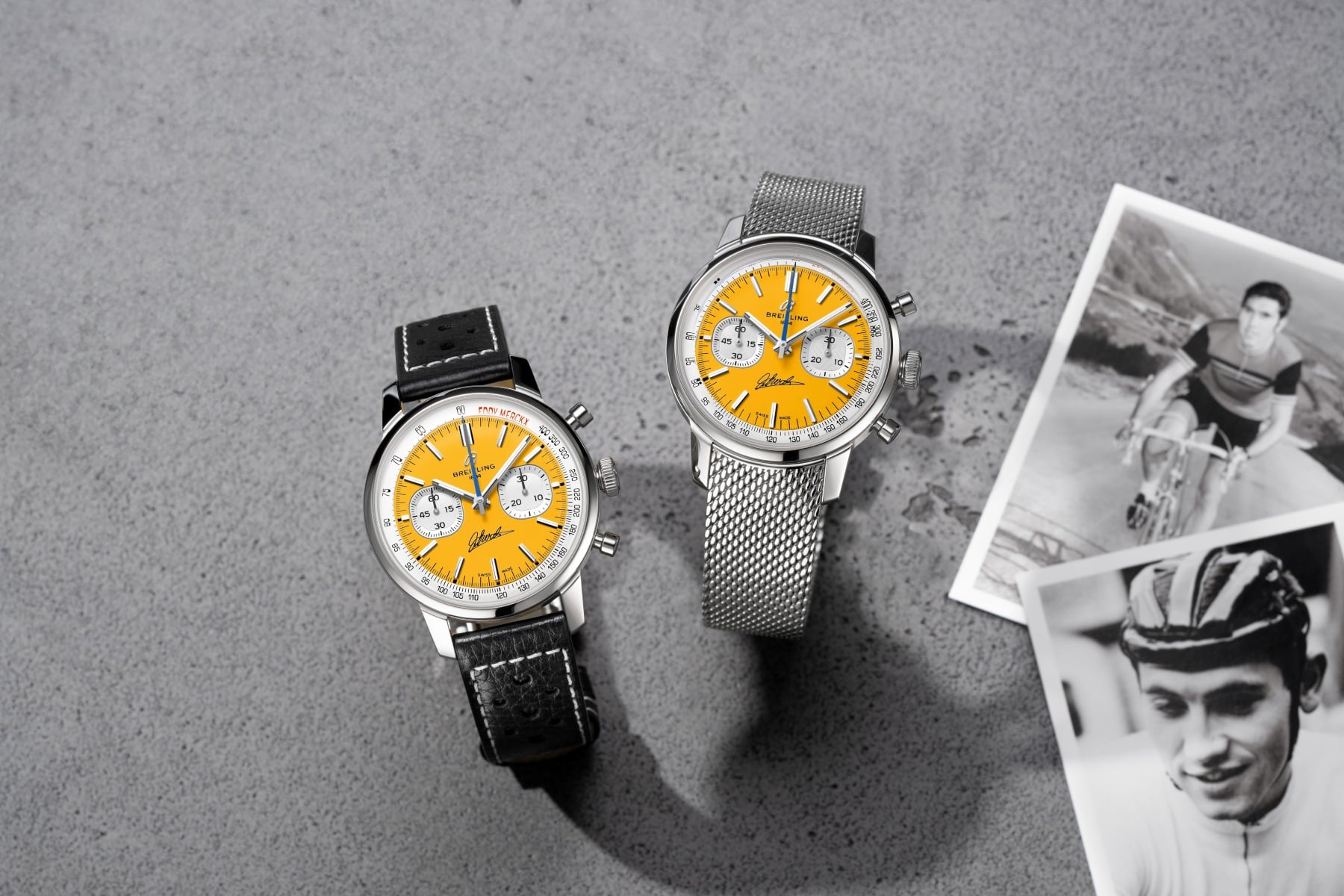
525 Victories, One Dial, and Cycling's Long Wait for a Wrist
Breitling's Eddy Merckx edition doesn't just reference a legend — it asks whether motorsport's younger sibling has finally earned its place in serious watch culture.
From the other desks.

800 Horsepower, One Ton of Doubt
Lamborghini built the most powerful SUV it's ever made. It's also slower than what it replaced.

ESPN Named Him. Then Unnamed Him. Nobody's Explaining the Gap.
A retraction without a reckoning is just a deleted link.

Hide My Email Has Been Showing Your Email
Apple's privacy flagship has a hole in it. They've known for over a year.