Chalamet Didn't Buy a Watch. He Bought a Conversation.
When a movie star takes a minority stake in a Danish watchmaker, the transaction is almost beside the point.
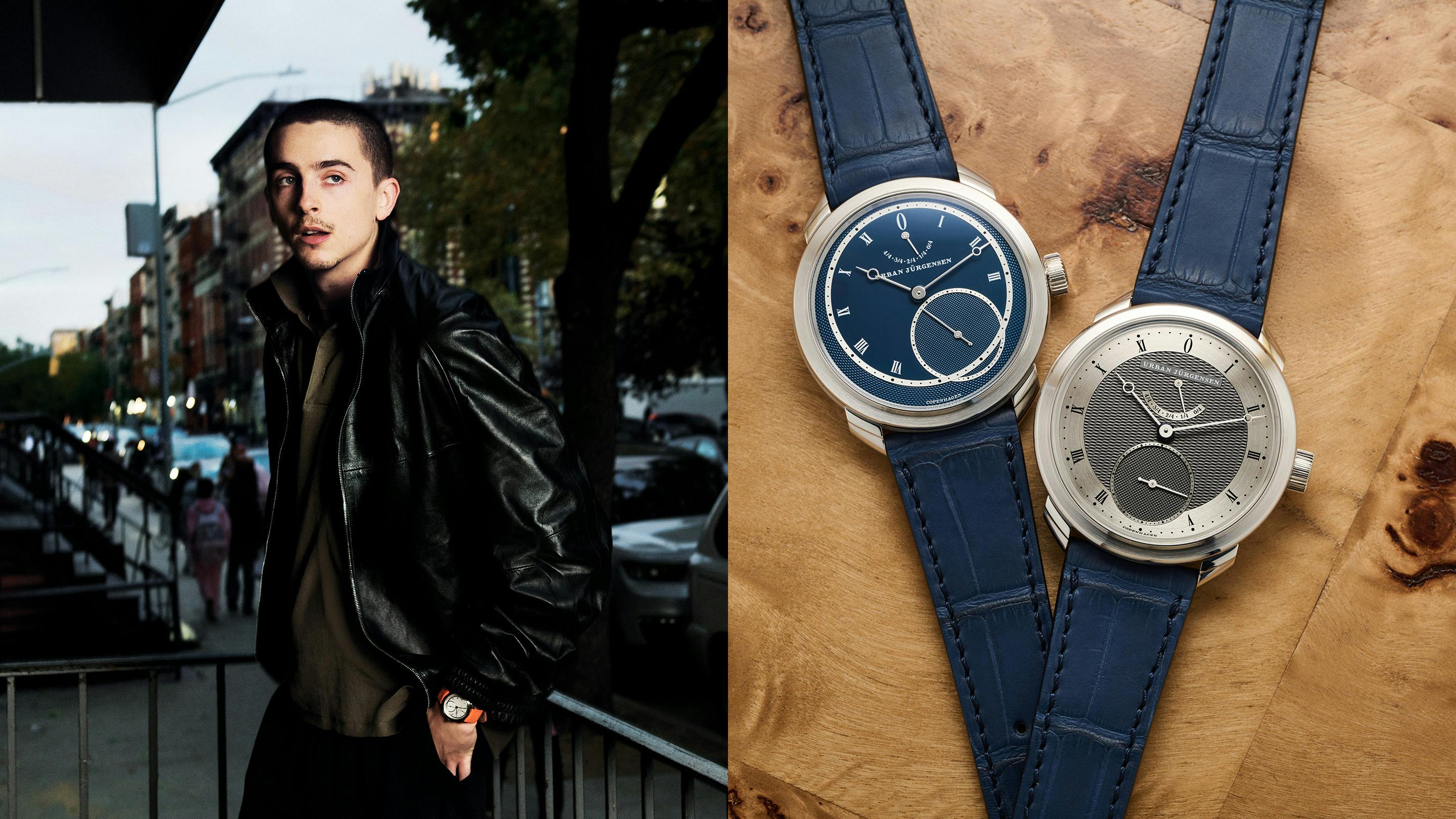
Photo · Hodinkee
There's a version of this story where Timothée Chalamet invests in Urban Jürgensen and it's just a rich person doing rich-person things — a portfolio footnote, a press release, a photo opportunity. That version exists. It's boring and it's mostly wrong.
The more interesting version is what the deal actually signals: that caring openly about craft has become, for a certain kind of cultural figure, a form of credibility rather than a liability.
What Actually Happened
Chalamet is coming on as a minority partner and creative advisor to Urban Jürgensen, a family-owned independent watchmaker. Hodinkee noted this is the first time the Golden Globe-winning actor has taken on a partnership role with any company. He's been spotted wearing the watches — that's not retroactive spin, that's the actual sequence of events, confirmed by Robb Report's coverage. He wore them before he owned a piece of them. That matters.
The Business of Fashion described the brand as historic and Danish. Revolution Watch kept it simple: he's a partner now. None of the coverage treats this as a vanity project, which is itself a data point. Nobody's rolling their eyes.
Why the Framing Shifted
For a long time, the celebrity-brand relationship operated on one frequency: the celebrity needed the brand's credibility, the brand needed the celebrity's reach, and everyone quietly understood the arrangement for what it was. Authenticity was performed, not demonstrated.
What's different here — and what the collective coverage circles without quite landing on — is that Chalamet arrives with the cultural permission already established. He is not borrowing credibility from Urban Jürgensen. If anything, the transaction runs the other direction. A generation of people who grew up watching him onscreen will now look at independent watchmaking and think: that's where he put his attention. That's where he put his money.
That's a different kind of endorsement. It doesn't say wear this to look like him. It says this is worth caring about.
Independent watchmaking has always occupied a strange position in the broader culture — beloved by a narrow audience that communicates in complications and movement architecture, largely invisible to everyone else. Heritage without mainstream visibility. Craft without a cultural ambassador. The category didn't need capital. It needed someone to make caring about it feel natural rather than eccentric.
A minority stake and a creative advisor title won't move the needle on Urban Jürgensen's production numbers. But it might move something harder to measure: the radius of people who feel like the brand is worth their curiosity. That's the actual investment.
The watch industry has watched this dynamic play out in other categories — spirits, fashion houses, sports franchises — and the pattern is consistent. The celebrity who arrives as a genuine enthusiast, who was already in the room before the deal was signed, creates a different kind of permission than the one who shows up at the launch party. One is discovery. The other is decoration.
Chalamet was wearing the watches. Then he bought in. The sequence is the story.
What nobody's writing yet is the pressure that now creates — for him and for the brand. Creative advisor is a title that either means something or it doesn't. The coverage is uniformly positive right now, which is how these announcements always land. The interesting question comes later, when there's actually something to evaluate.
For now, though, the transaction itself has done its work. A family-owned Danish watchmaker is being discussed in fashion publications, in entertainment trades, in watch media simultaneously. That doesn't happen by accident, and it doesn't happen because of the capital.
It happens because someone with a real audience decided a quiet, careful thing was worth his name.
Keep reading fashion.

Gold Leaf on a Lacquer Dial, and the Weight of What That Costs
Awake's Frosted Leaf Royal Blue asks a question Vietnamese craft has never quite had to answer at this price.
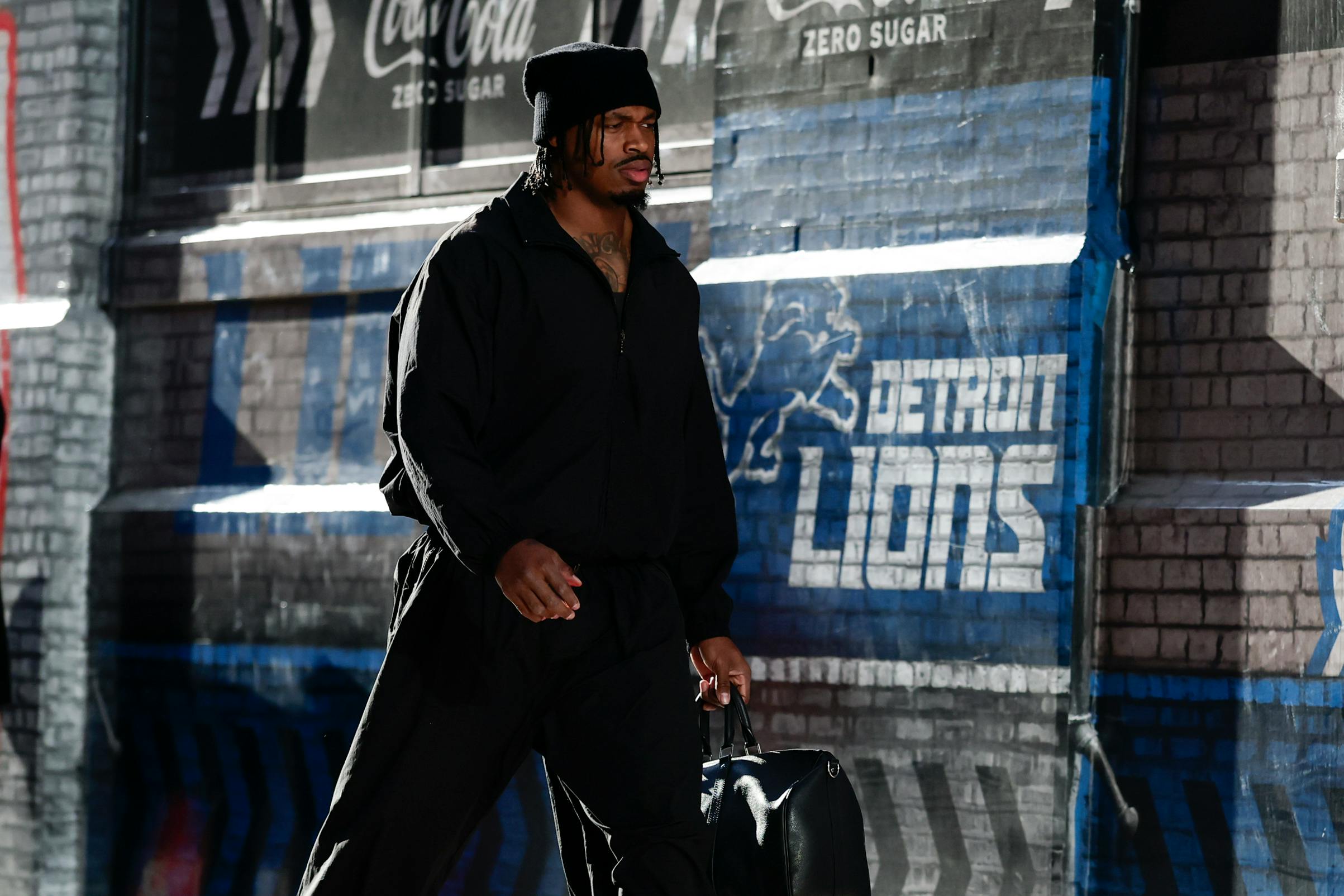
Kyle Smith Has a Job Title That Didn't Exist Before. That's the Whole Tell.
When the NFL hires a fashion editor, it's not about clothes — it's about who gets to decide what matters.
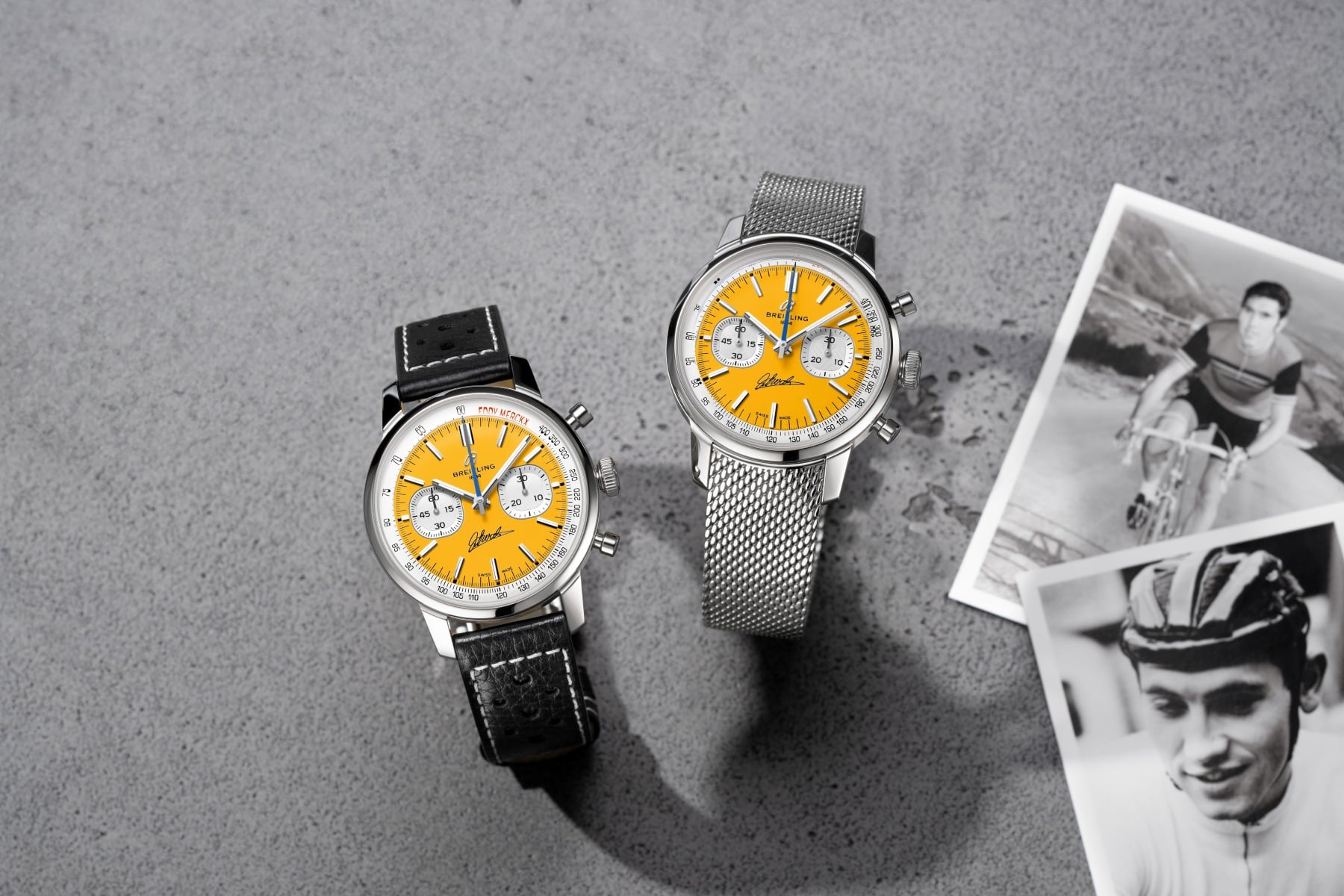
525 Victories, One Dial, and Cycling's Long Wait for a Wrist
Breitling's Eddy Merckx edition doesn't just reference a legend — it asks whether motorsport's younger sibling has finally earned its place in serious watch culture.
From the other desks.

800 Horsepower, One Ton of Doubt
Lamborghini built the most powerful SUV it's ever made. It's also slower than what it replaced.

ESPN Named Him. Then Unnamed Him. Nobody's Explaining the Gap.
A retraction without a reckoning is just a deleted link.

Hide My Email Has Been Showing Your Email
Apple's privacy flagship has a hole in it. They've known for over a year.