The Kid Who Took Watches Apart Is Now Making the Best Ones
Rexhep Rexhepi didn't inherit a legacy — he built one by understanding everyone else's first.
.jpg)
Photo · GQ
There's a version of watchmaking that runs on inheritance. The archive, the founder's portrait in the lobby, the reference numbers that trace back to before your grandfather was born. That version is real and it matters. But it is not the only version.
Rexhep Rexhepi has no lobby portrait. What he has is a pair of hands that spent years inside movements made by people who are considered untouchable — Patek, AP, the kind of work that gets kept in climate-controlled rooms and discussed in hushed tones. He didn't just service those watches. He understood them. Took them apart until he knew why every decision was made. Then he started making his own decisions.
The Education You Can't Buy
There's a particular kind of knowledge that only comes from disassembly. Not reading about a movement. Not studying diagrams. Actually holding the components, feeling the tolerances, learning what happens when something is off by a micron. It's the difference between knowing how a sentence is constructed and knowing how to write one.
Most independent watchmakers come up through one of two paths: the formal ateliers of the grandes maisons, or the small workshops where you apprentice under someone who apprenticed under someone. Rexhepi did both, and then he did something harder — he walked away from the safety of institutional credibility and started signing his own name to things.
His atelier, CRMC — Akrivia — sits in Geneva, which is either the most competitive or the most inspiring place on earth to make a watch, depending on the day. He's been there long enough now that the early skepticism has quieted. The work did that.
What the New Piece Is Actually Saying
The RRCHF isn't just a new reference. It's a position statement. In a moment when the watch industry is simultaneously contracting and inflating — prices up, enthusiasm uneven, the secondhand market doing things nobody predicted — making a watch this considered is an argument. It says: this object is worth your sustained attention. Not your investment thesis. Your attention.
That's a harder case to make than it sounds. Watches are competing with everything now. The phone in your pocket tells time better than anything on your wrist. The case for wearing a mechanical watch in 2024 has to be made on different grounds entirely — on craft, on meaning, on the particular pleasure of something that required a human being's complete focus to exist.
Rexhepi makes that case without making it. He just builds the watch and lets you hold it.
Why This Matters Beyond Watches
Here's the thing about following someone like Rexhepi if you care about how things are made — in any category, not just horology. He represents a specific kind of ambition that's become genuinely rare: the ambition to be better, not just bigger. No licensing deals. No diffusion line. No celebrity collaboration to move units. Just the work, made in small numbers, for people who are paying attention.
Fashion used to have this. Still does, in corners. The ateliers that make one jacket at a time, the shoemakers with a six-month wait, the tailors who will not rush a fitting. The luxury system absorbed most of them, turned their names into brands, their craft into marketing language. Some survived intact. Rexhepi is watching all of that from Geneva and apparently finding it instructive in the negative.
He's building the thing that the institution couldn't have built, because the institution has too much to protect.
The Longer Arc
Decades from now, when someone is writing the history of this period in independent watchmaking, Rexhepi will be in it. Not as a footnote. As a chapter. The guy who showed up, did the work no one was watching, then made something undeniable.
That arc is still in motion. The RRCHF is not a culmination — it's evidence that the trajectory is real and still climbing. Which means the most interesting part of this story hasn't happened yet.
Pay attention now, before you have to.
Keep reading fashion.

Gold Leaf on a Lacquer Dial, and the Weight of What That Costs
Awake's Frosted Leaf Royal Blue asks a question Vietnamese craft has never quite had to answer at this price.
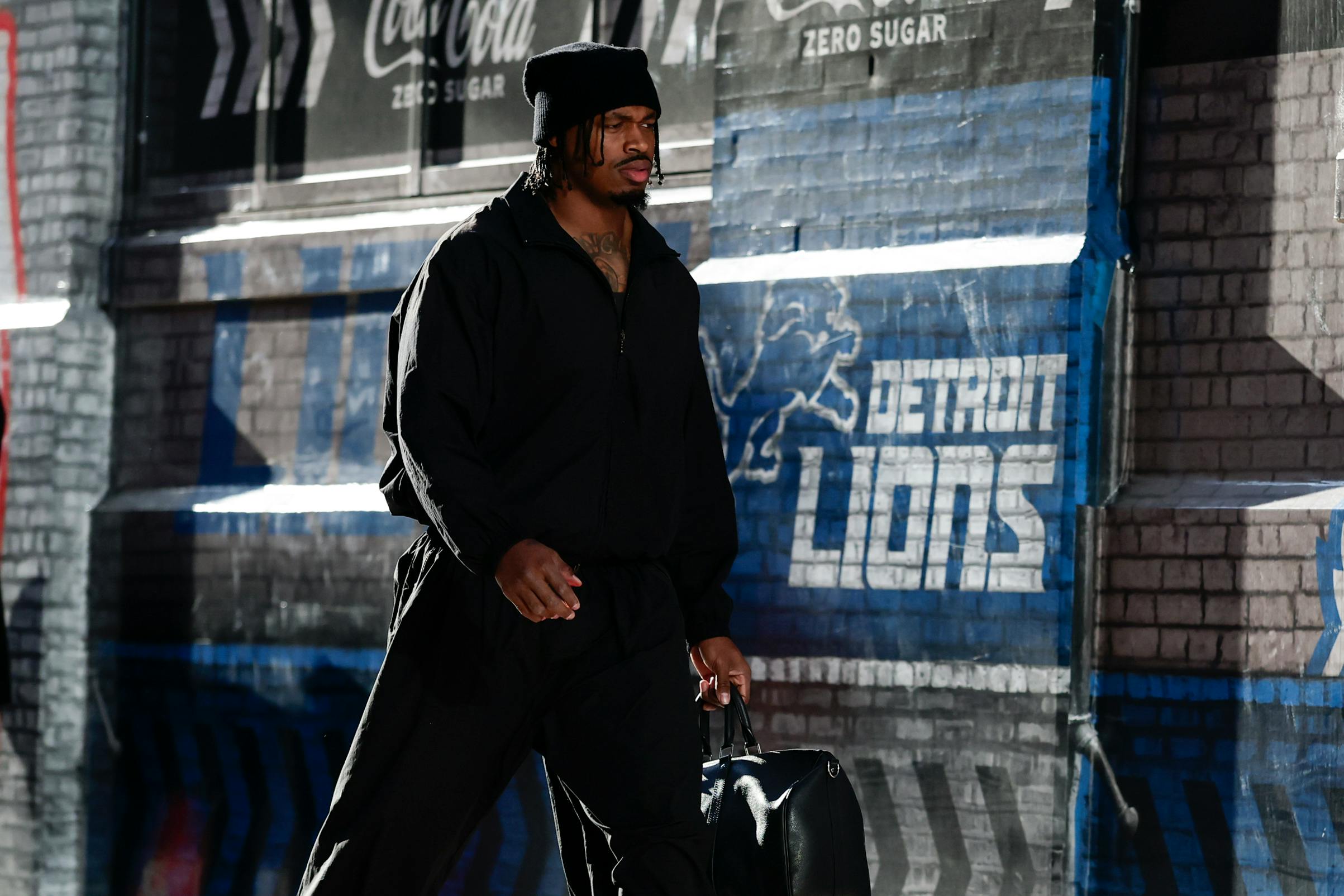
Kyle Smith Has a Job Title That Didn't Exist Before. That's the Whole Tell.
When the NFL hires a fashion editor, it's not about clothes — it's about who gets to decide what matters.
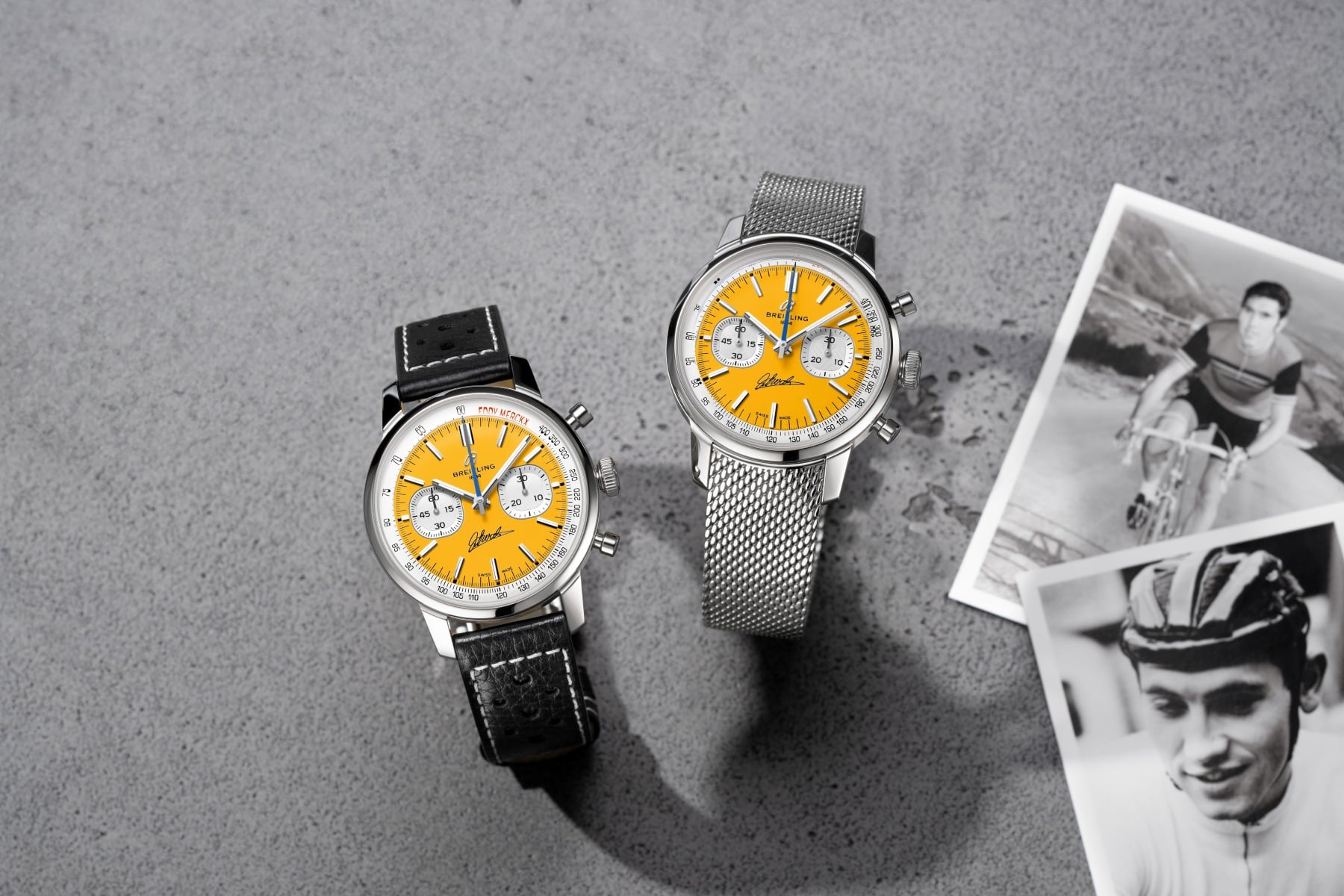
525 Victories, One Dial, and Cycling's Long Wait for a Wrist
Breitling's Eddy Merckx edition doesn't just reference a legend — it asks whether motorsport's younger sibling has finally earned its place in serious watch culture.
From the other desks.

800 Horsepower, One Ton of Doubt
Lamborghini built the most powerful SUV it's ever made. It's also slower than what it replaced.

ESPN Named Him. Then Unnamed Him. Nobody's Explaining the Gap.
A retraction without a reckoning is just a deleted link.

Hide My Email Has Been Showing Your Email
Apple's privacy flagship has a hole in it. They've known for over a year.