Ram Killed the Tech Nobody Asked For, Because 40% Said So Out Loud
Auto-stop/start and mild hybrid systems are gone from Ram trucks — and the number behind that decision says more about the industry than the decision itself.
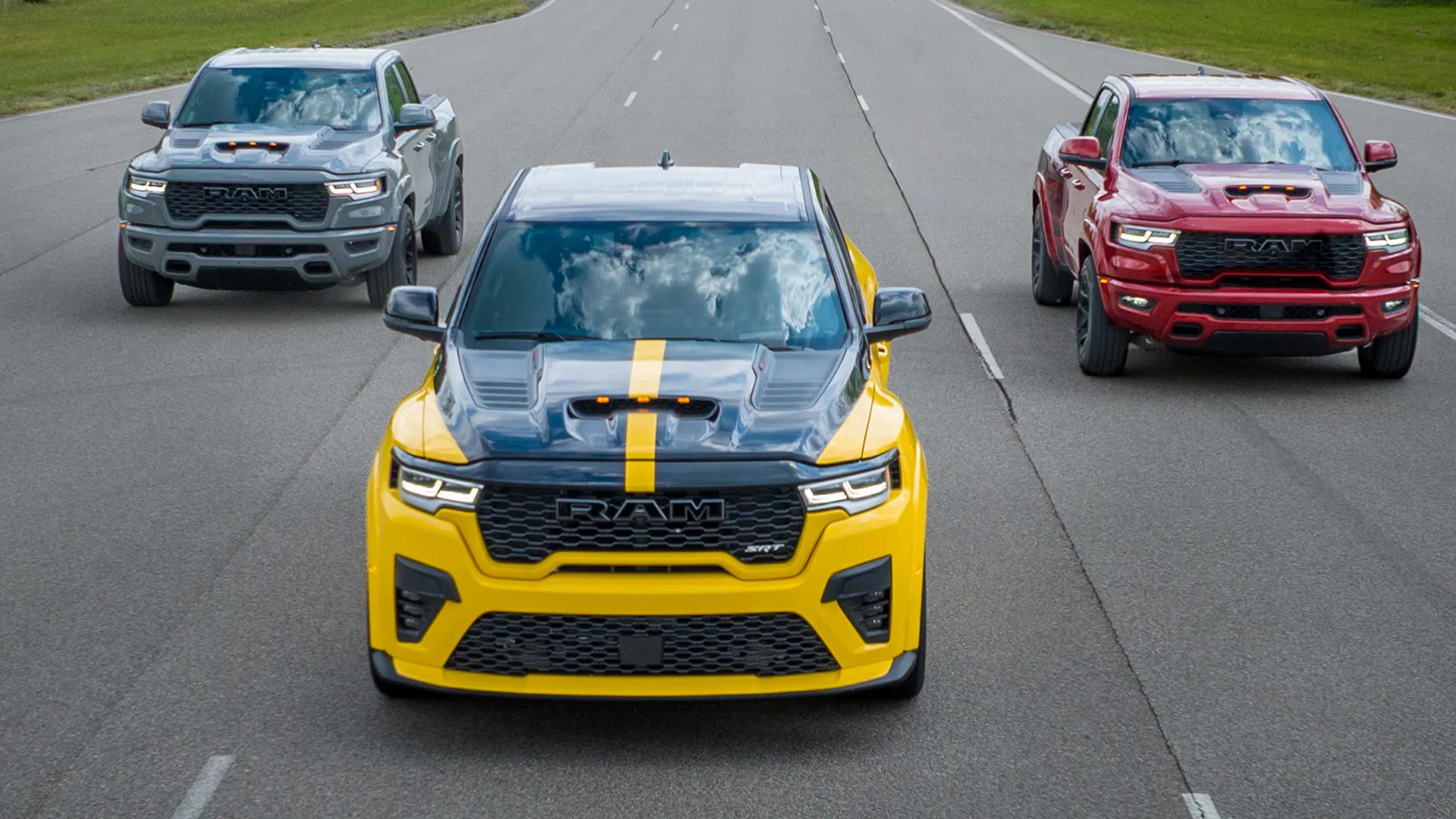
Photo · The Drive
Here's what efficiency theater looks like when the curtain finally comes down: Ram is scrapping auto-stop/start and mild hybrid technology from its trucks. Not quietly. Not as a footnote in a product brief. As a move, with intent.
The Drive reported both halves of this story within what feels like the same breath, and reading them together is clarifying in a way neither piece quite says on its own.
The Number That Ended the Argument
According to The Drive's coverage of remarks from the Stellantis CEO, 40% of pickup truck buyers won't consider a brand that doesn't offer a V8. That's not a niche position. That's not an enthusiast fringe clinging to the past out of stubbornness. That is four out of ten people walking onto a truck lot with a hard filter already applied — and the filter is an engine type.
The CEO's framing was almost disarming in its honesty: you don't have to buy the V8. You just have to know it's there. Availability as reassurance. The Hemi as a psychological anchor, not just a powertrain choice. Ram got it back before Dodge did, and there was clearly a reason for the sequencing.
Once you sit with that number — 40% — the mild hybrid story stops being about efficiency at all.
What Was Never Really About Fuel Economy
Auto-stop/start and mild hybrid systems on trucks were always a peculiar kind of compliance move. Trucking culture runs on feel: the weight of the thing, the idle you can hear from across a parking lot, the sense that you are operating machinery rather than managing a software profile. Stop-start interrupts that. It creates a tiny but memorable rupture in the driving experience — the engine dying at a red light, the brief hesitation before it catches again — and truck buyers noticed. They noticed loudly and consistently.
The Drive noted that Ram is among the first to embrace the end of stop-start mandates, which suggests the regulatory pressure that justified these systems has shifted enough to give manufacturers an exit. Ram took it immediately. That's not a coincidence. That's a brand that has been reading its own customer data and waiting for permission.
Mild hybrid systems on trucks always carried a similar tension — technology layered onto a product whose buyers weren't asking for it, solving a problem those buyers didn't feel they had. Strip it out, and the truck is simpler. Lighter in complication, if not always in weight. More honest about what it is.
There's something almost refreshing about it, even if the environmental calculus is uncomfortable to sit with. The industry spent years dressing up compliance tech as features. Ram just called it what it was.
The Real Admission
The meta-story across both pieces isn't about Ram specifically — it's about what happens when a manufacturer stops building for a regulatory future and starts building for the person actually signing the check.
Four in ten truck buyers treat V8 availability as a baseline condition. That's market data with the volume turned all the way up. And once you accept that number, the mild hybrid equipment starts to look less like progress and more like a toll you paid to be taken seriously in conversations that were never really about your customer.
Ram didn't just remove two features. It admitted, in the clearest possible product language, that the last several years of incremental efficiency additions were always more about optics than outcomes.
The truck that emerges from this is simpler. Whether simpler is better depends entirely on what you need the truck to do — but at least now both sides of that conversation are being honest about what they want.
Sometimes the most forward-looking thing a company can do is stop pretending to be something its buyers never asked it to become.
Keep reading cars.

800 Horsepower, One Ton of Doubt
Lamborghini built the most powerful SUV it's ever made. It's also slower than what it replaced.

£11,990 Draws a Line Under Every Excuse You Had Left
Dacia just made the cheapest new car in Britain electric — and that's not a footnote, it's a verdict.
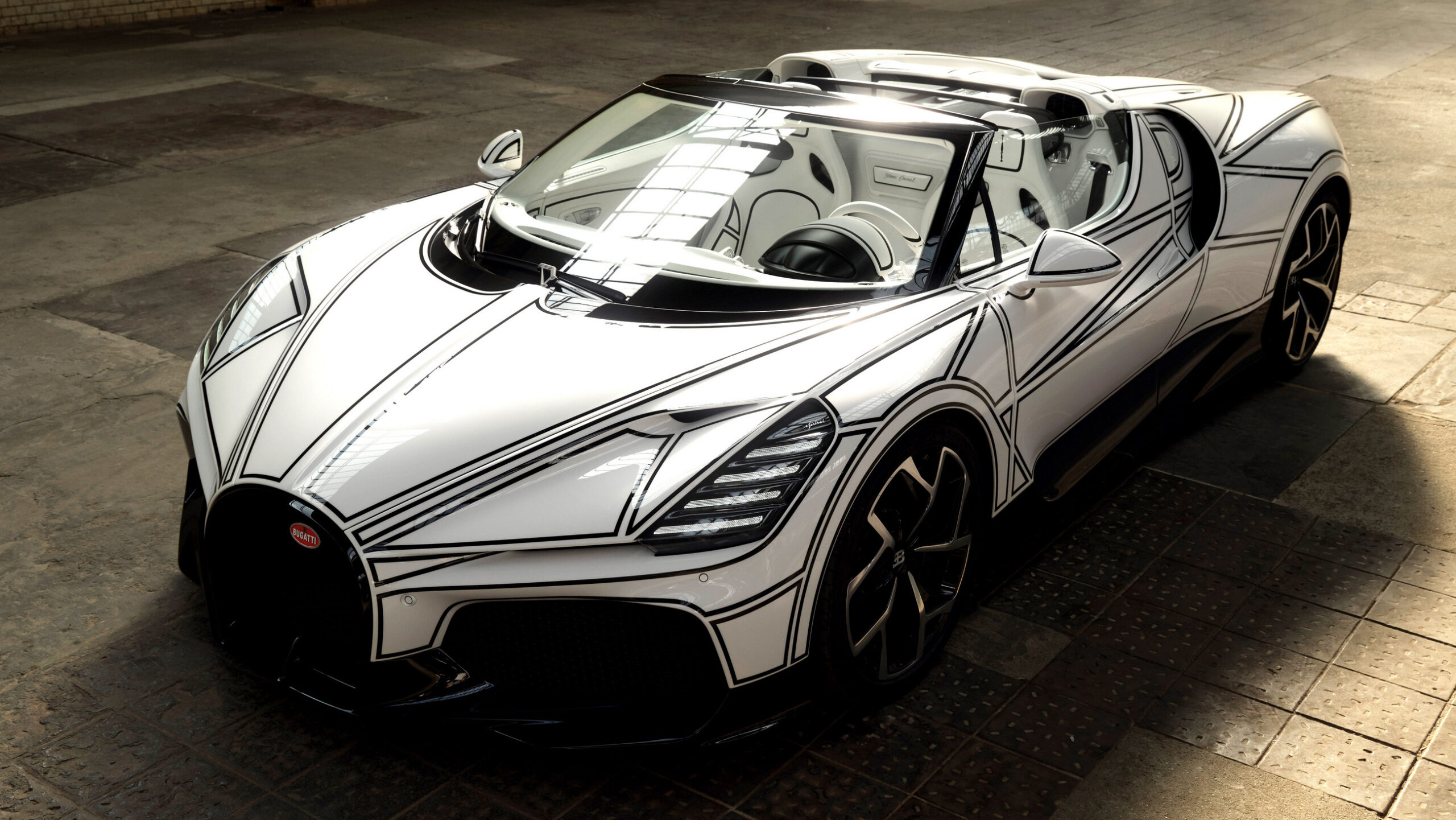
Blanc Éternel Hides Its Speed Behind a Gas Cap
Bugatti built a 261-mph roadster and made sure you'd notice the porcelain first.
From the other desks.

Gold Leaf on a Lacquer Dial, and the Weight of What That Costs
Awake's Frosted Leaf Royal Blue asks a question Vietnamese craft has never quite had to answer at this price.

ESPN Named Him. Then Unnamed Him. Nobody's Explaining the Gap.
A retraction without a reckoning is just a deleted link.

Hide My Email Has Been Showing Your Email
Apple's privacy flagship has a hole in it. They've known for over a year.