Tesla Stopped Selling FSD in Europe. It Never Was For Sale.
Killing the one-time purchase option isn't a pricing update — it's an admission that's been delayed for years.
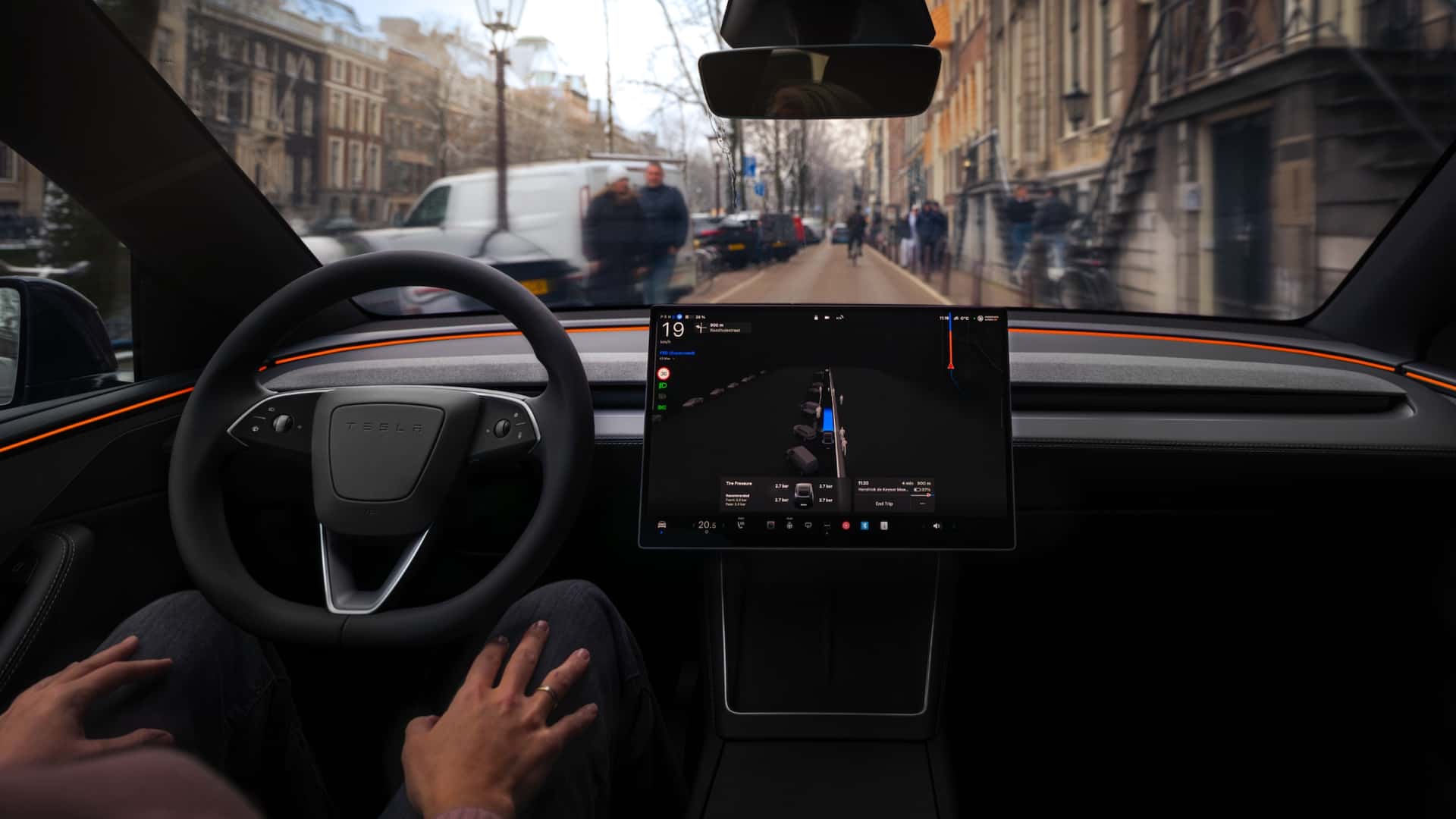
Photo · InsideEVs - Articles
There's a particular kind of honesty that only comes under pressure. A writer at InsideEVs has flagged something worth sitting with: Tesla has dropped the one-time purchase option for Full Self-Driving in Europe, moving exclusively to a monthly fee model. Two countries have approved FSD use so far. That's the whole fact set. But the implications run deeper than a line item on a configuration page.
Because here's what that move actually says: the feature was never a finished product. It was always a service — something maintained, updated, revoked, adjusted from a distance. The one-time purchase framing let buyers tell themselves they owned something. They didn't. They bought access to a promise that the company retained the right to keep rewriting.
The Language Was Always Wrong
Full Self-Driving. The name has attracted scrutiny for years, and the supervised qualifier hasn't done much to quiet that scrutiny. But the pricing structure did something the name alone couldn't — it made the feature feel like hardware. Like you'd bought a thing, the way you buy a sunroof or a better stereo. Something installed, complete, yours.
Monthly billing destroys that illusion cleanly. You don't subscribe to your sunroof. You subscribe to software you don't control, running on a timeline you can't predict, delivering a capability that two European countries have approved and the rest apparently haven't. The subscription model doesn't just change what you pay. It changes what you're admitting about what you're selling.
Europe forced the confession. Regulatory environments that move carefully, that require demonstrated safety before granting approval, don't accommodate the kind of hopeful forward-pricing that a one-time purchase implies. You can't charge someone once for a feature that may not be legal in their country next year, or the year after that. The subscription model is the only honest commercial structure for something that exists in regulatory limbo — and Tesla, by adopting it, has acknowledged the limbo.
What It Costs to Be Right About This
There's a version of this story where you feel vindicated if you've been skeptical of FSD pricing from the start. But vindication isn't really the point. The point is what it means for anyone who bought into the old model — who paid a significant sum for a one-time purchase believing they'd locked in something durable — and now watches the company reframe the entire thing as a rolling subscription for new buyers.
That's not a betrayal exactly. The technology is still evolving. The regulatory landscape is still shifting. No one was lied to in a simple, demonstrable way. But there is a gap between the story the pricing told and the story the pricing now tells, and that gap is worth naming.
What Tesla has done in Europe is price the product according to what it actually is: an ongoing service, dependent on software updates, subject to regulatory approval, not guaranteed to work everywhere you might drive. That's a more honest position than what came before it. It's also a worse sales pitch. And maybe that's fine — maybe the people who want it will pay for it monthly, and the people who don't can opt out, and the whole arrangement will be more transparent for everyone involved.
But let's not call it a pricing update. Call it what it is: the moment the language finally caught up to the reality.
Keep reading cars.

800 Horsepower, One Ton of Doubt
Lamborghini built the most powerful SUV it's ever made. It's also slower than what it replaced.

£11,990 Draws a Line Under Every Excuse You Had Left
Dacia just made the cheapest new car in Britain electric — and that's not a footnote, it's a verdict.

Blanc Éternel Hides Its Speed Behind a Gas Cap
Bugatti built a 261-mph roadster and made sure you'd notice the porcelain first.
From the other desks.

Gold Leaf on a Lacquer Dial, and the Weight of What That Costs
Awake's Frosted Leaf Royal Blue asks a question Vietnamese craft has never quite had to answer at this price.

ESPN Named Him. Then Unnamed Him. Nobody's Explaining the Gap.
A retraction without a reckoning is just a deleted link.

Hide My Email Has Been Showing Your Email
Apple's privacy flagship has a hole in it. They've known for over a year.