Paul Smith's Mini Took 30 Years to Cross the Atlantic
A fashion collaboration that's been running longer than most car platforms finally lands in America — and that timing says more than the stripes do.
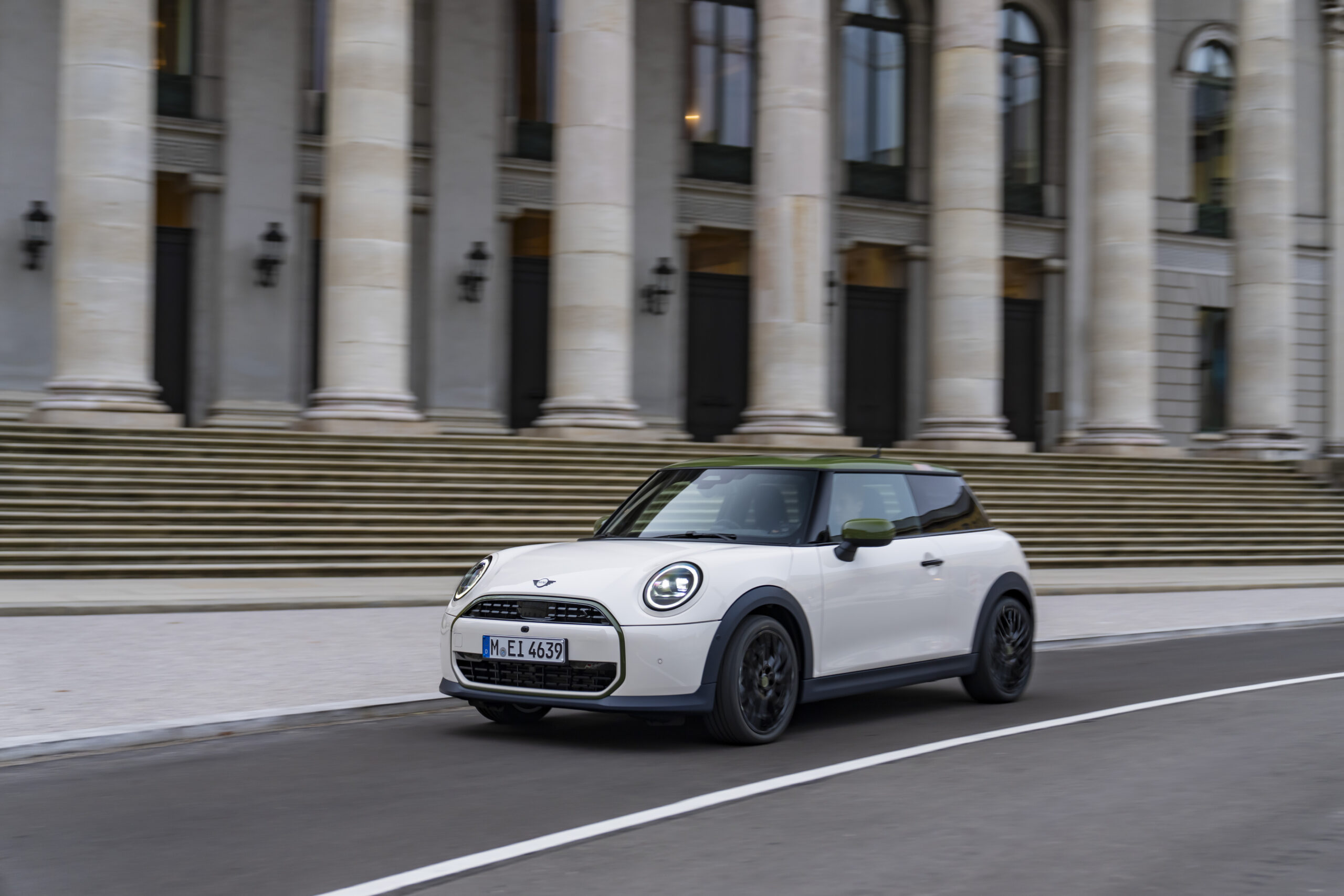
Photo · Hagerty Media
There's a version of this story where a British designer puts his stripes on a small car and it's a marketing stunt. Unveiled at Smith's own Los Angeles store, the Mini Paul Smith Edition arrived with a more restrained take on his signature multi-colored stripe work. Subtle, reportedly. Considered.
But here's what I keep thinking about: the collaboration has been running for nearly 30 years. That's not a novelty. That's a creative relationship older than some of the people who will buy this car.
The Long Game Nobody Noticed
Fashion-automotive crossovers get treated like a recent phenomenon — a symptom of the influencer era, a signal that car brands have given up on engineers and started hiring stylists. That reading is lazy. What Hagerty Media's coverage of this debut actually surfaces, without quite saying it, is that the most durable of these partnerships predate the Instagram mood board by decades.
Sir Paul Smith has been working with Mini since before Mini was BMW's Mini. That context matters. This isn't a brand slapping a logo on a car in exchange for co-marketing spend. It's a designer who has stayed in a relationship with a machine long enough to understand what it actually is — a cultural object as much as a transport device — and then kept refining his answer to it.
The choice to unveil it at Smith's LA store rather than an auto show or a dealership forecourt is the tell. That's not where cars get launched. That's where clothes get launched, where art gets launched, where things that want to be taken seriously by people who care about how the world looks get launched. Mini knew exactly what it was doing.
What 'Subtle' Actually Means
The stripes being described as more restrained this time around is worth sitting with. Early Paul Smith editions wore the palette loudly — that was the declaration, the flag. A quieter version suggests something has shifted in the collaboration's internal logic. The designer isn't trying to announce himself anymore. He's trying to add something that rewards a second look.
That's a different kind of confidence. And it maps to where taste-driven buyers actually are right now. Loud branding reads as insecure. The buyers who matter — the ones who will pay for this, who will notice it, who will tell other people about it — they want the thing that doesn't explain itself. They want the detail you catch at a traffic light.
Legacy car brands have a problem that nobody talks about directly: they're trying to hold two audiences at once. There are buyers who want performance data and towing capacity and a configurator with forty-seven powertrain options. And there are buyers who want to know how something feels to live with, how it sits in a parking lot, whether it says anything true about who they are. Those two audiences don't read the same things. They don't go to the same places.
A Paul Smith Mini, launched in a clothing store in Los Angeles, is not trying to speak to the first group. It's not even trying to reach them. And that's the sophistication of it — the willingness to let a car be a fashion object without apologizing, without hedging it with 0-to-60 numbers and chassis tuning footnotes.
Thirty years is a long time to keep making the same bet. At some point it stops being a bet.
Keep reading cars.

800 Horsepower, One Ton of Doubt
Lamborghini built the most powerful SUV it's ever made. It's also slower than what it replaced.

£11,990 Draws a Line Under Every Excuse You Had Left
Dacia just made the cheapest new car in Britain electric — and that's not a footnote, it's a verdict.

Blanc Éternel Hides Its Speed Behind a Gas Cap
Bugatti built a 261-mph roadster and made sure you'd notice the porcelain first.
From the other desks.

Gold Leaf on a Lacquer Dial, and the Weight of What That Costs
Awake's Frosted Leaf Royal Blue asks a question Vietnamese craft has never quite had to answer at this price.

ESPN Named Him. Then Unnamed Him. Nobody's Explaining the Gap.
A retraction without a reckoning is just a deleted link.

Hide My Email Has Been Showing Your Email
Apple's privacy flagship has a hole in it. They've known for over a year.