Record Quarter. New CEO. Same Machine.
Tim Cook handed off the keys while Apple was still accelerating — which tells you everything about who's really driving.
The Ceremony Was the Quiet Part
Imagine the scene: a conference room somewhere in Cupertino, analysts dialed in, a CFO named Kevan Parekh seated next to a CEO who everyone in the room knows is on his way out. The numbers drop. $111.2 billion in revenue. A record March quarter. Double-digit growth across every geographic segment. iPhone revenue at a March quarter high. Services at yet another all-time record. And Tim Cook, per the transcript published by Six Colors, doing what Tim Cook always does — narrating triumph in the measured cadence of a man who has never once appeared rattled.
Nothing about that call would have told you the company was in the middle of a leadership transition. That's either deeply reassuring or slightly unsettling, depending on your relationship with the idea that institutions can outlive their architects.
I keep coming back to that detail. Not the numbers. The composure.
The Numbers Are Not the Story
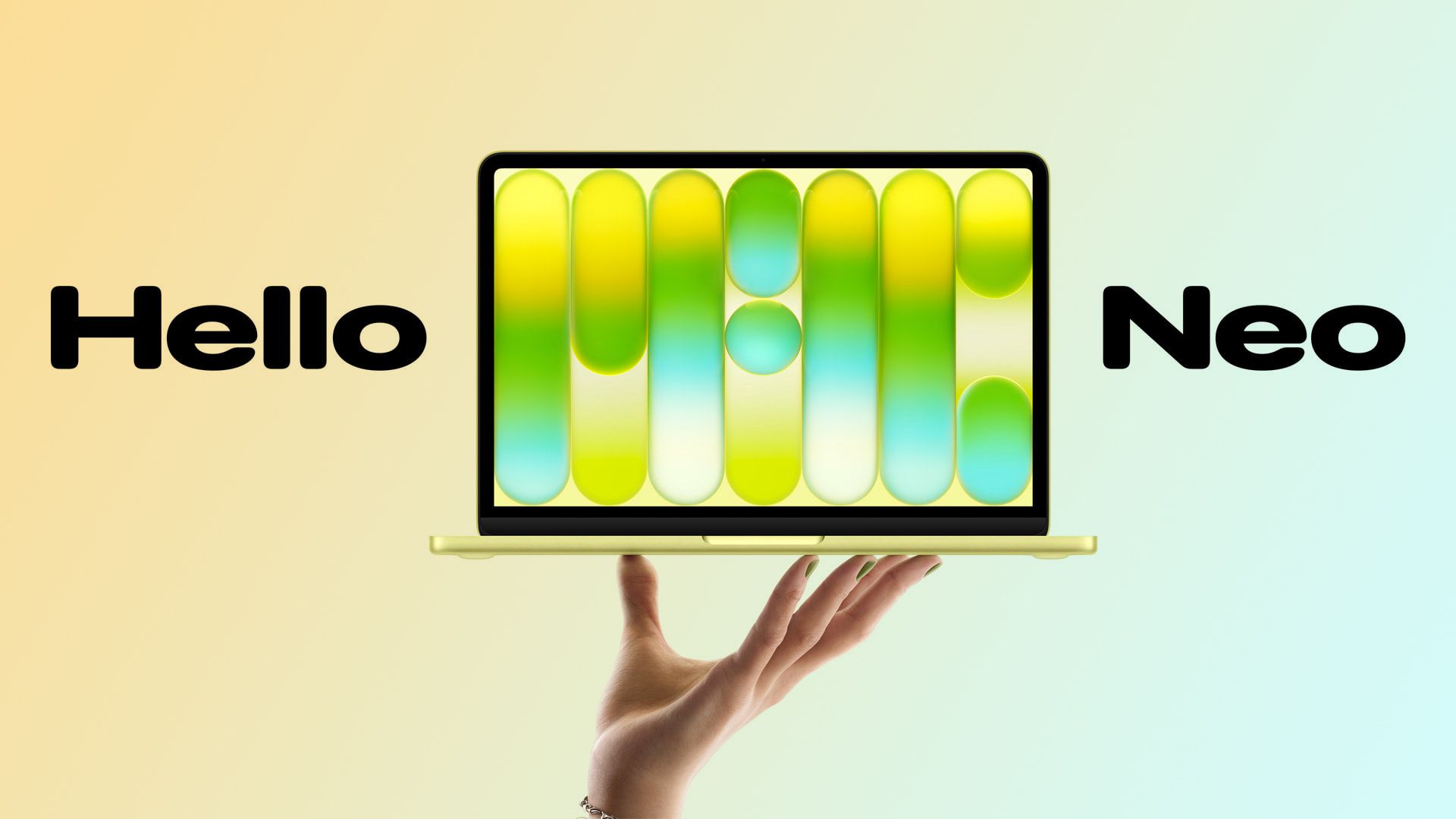
Apple posted 17 percent revenue growth year-over-year, per Six Colors' reporting on the announcement. The iPhone 17 family drove it. Cook cited 99 percent customer satisfaction figures for the iPhone 17, according to 9to5Mac's coverage of the call. The MacBook Neo — Apple's most affordable MacBook — generated what Cook called "off the charts" demand, and MacRumors reported that Apple had, in Cook's own words, "undercalled" the enthusiasm it would generate. First-time Mac buyers hit a record last quarter, apparently driven substantially by that one product.
Services: all-time record. Again.
And yet the thing Six Colors noted almost as a throwaway in its preview piece is the thing worth holding: last week it was a new CEO, this week it's probably going to be the usual quarterly report of record revenues and profits. Probably. As if the two events existed in separate orbits. As if they weren't, in fact, the same story told twice.
Because here is what a $111.2 billion quarter during a CEO transition actually communicates: the flywheel doesn't care who's steering. The machine built to make money kept making money while the humans at the top reorganized themselves. Cook could give his farewell speech and the Services revenue would still post another record. The iPhone 17 would still sell. The MacBook Neo would still overwhelm supply.
That's not an insult to Cook. If anything, it's the capstone of his tenure. He built something that doesn't need him to work.
RAMageddon and the Limits of the Machine
Except — and there is always an except — the machine does have a pressure point. TechCrunch reported that Cook warned of supply-chain headwinds from something being called "RAMageddon" that could impact Apple's business going forward. Ars Technica reported that the Mac mini and Mac Studio could take "several months" to catch up to demand, with chip shortages and AI enthusiast appetite both contributing to the constraint.
So the product is a hit and you can't get the product. That particular tension — demand outrunning supply, a shortage looming over a record quarter — is the kind of thing that sounds like a problem but actually reads, in the language of earnings calls, as a different kind of boast. We made too much of a good thing. People want it more than we can give it to them.
Still. The chip shortage is real. The transition is real. John — referenced in Six Colors' transcript coverage alongside Cook and CFO Parekh — is somewhere in the room, inheriting this quarter's momentum and whatever turbulence comes next. The record is Cook's. The supply chain is someone else's problem now.
I've watched enough of these handoffs — in tech, in sports, in any institution that becomes bigger than the person running it — to know that the exit is always cleanest when it happens at the top. Leave during a record quarter and you get to define yourself by the scoreboard. Stay through the correction and the narrative rewrites itself around you.
Cook is leaving at $111.2 billion. That's not an accident.
What the Machine Forgets to Say
Ten sources covering the same earnings call, and what none of them quite reckon with is the philosophical weight of a company becoming structurally independent of human leadership. The analysts asked about supply. They asked about tariffs. They asked about AI. Nobody asked — because nobody asks this on earnings calls — what it means when a company gets this large, this consistent, this machine-like in its output.
Apple is not a bet on Tim Cook anymore. It probably hasn't been for a while. It's a bet on the ecosystem, the installed base, the Services flywheel, the supply chain Cook spent two decades tightening. His successor inherits a company where the biggest quarterly risk is a chip shortage — not a product failure, not a strategic miscalculation, not a cultural implosion. Just: we can't build them fast enough.
That's a remarkable place to hand off from. That's also a company that has, in some meaningful sense, already become the thing Cook always said he was building toward: a machine so well-designed that it runs on its own logic, in its own orbit, largely indifferent to the turbulence of individual human decisions.
Which is worth sitting with for a minute. Because the organizations we build — the companies, the habits, the systems — eventually start building us back. They tell us what we're capable of. They tell us what we've made.
Apple just told the world: I don't need any one person to be extraordinary. I just need the next quarter.
Keep reading tech.

Hide My Email Has Been Showing Your Email
Apple's privacy flagship has a hole in it. They've known for over a year.

Sony Killed the Disc. Sony Is Also Killing the Store.
Two announcements, one company, and a quiet admission that "ownership" was always their word to define.
Apple Went to the Highest Court It Could Find. That Tells You Everything.
When a contempt ruling sends you to the Supreme Court, you're not defending a policy anymore — you're defending a worldview.
From the other desks.

800 Horsepower, One Ton of Doubt
Lamborghini built the most powerful SUV it's ever made. It's also slower than what it replaced.

Gold Leaf on a Lacquer Dial, and the Weight of What That Costs
Awake's Frosted Leaf Royal Blue asks a question Vietnamese craft has never quite had to answer at this price.

ESPN Named Him. Then Unnamed Him. Nobody's Explaining the Gap.
A retraction without a reckoning is just a deleted link.