Carbon Fiber, Racing Colors, and the Watch Tudor Didn't Need to Justify
The Black Bay Chrono Carbon 26 isn't selling you on movement architecture. It's selling you a pit wall.

Photo · Worn & Wound
There's a moment in every watch launch where you look past the technical sheet and ask what the thing is actually about. Tudor's new Black Bay Chrono Carbon 26 answers that question before you finish asking it.
The colors do the talking.
The Livery Is the Brief
According to WristReview, the watch — reference M79377KN-0003 — takes its palette directly from the livery of Visa Cash App Racing Bulls, the Formula One constructor Tudor is partnered with. The team, which has raced under a few names over the years (Racing Bulls, AlphaTauri, Toro Rosso before that), fields two cars on the current F1 grid. Their visual identity is specific, recognizable, and — crucially for Tudor — the entire design rationale of this release.
That's not a criticism. It's an observation about what kind of object this is.
Worn & Wound notes the watch arrives as the 2026 Formula One season gets underway, and the timing is not accidental. Watches & Wonders has come and gone. This is a different kind of launch — timed to the race calendar, not the trade fair circuit. Tudor is treating its F1 partnership less like a sponsorship banner and more like a product development schedule.
Which raises the more interesting question: when a racing livery becomes the brief, what exactly is being designed?
What the Carbon Tells You
The case material and the colorway both point in the same direction. Carbon is a motorsport material — functional in context, symbolic everywhere else. Wearing it on your wrist doesn't make you faster. It signals a set of references: speed, engineering discipline, things built to perform rather than to impress at dinner. Whether that signal lands depends entirely on whether you care about where it comes from.
For people who follow the Racing Bulls cars around the 2026 calendar, this watch will read as a direct extension of something they're already invested in. For everyone else, it's a well-constructed chronograph in striking colors with a material choice that justifies itself on aesthetics alone.
Both readings are fine. Tudor seems to understand that.
What strikes me is how cleanly this sidesteps the usual watch launch conversation — the one about movement architecture, finishing depth, the case dimensions relative to some predecessor from 1958. None of that is irrelevant, but none of it is the story here either. The story is that a brand has found a visual identity compelling enough to build a watch around, and that the watch is honest about what it is. It's not pretending to be a heritage piece. It's not pretending the colors are incidental.
The racing colors are the product. The craft holds them up.
There's something almost refreshing about a release this clear on its own intentions. The watch knows its audience, knows its moment, and doesn't apologize for either. In a category where every new reference tends to arrive dressed in decades of mythology it may or may not have earned, a watch that simply says this is the car, this is the season, this is the object has a kind of confidence that's harder to pull off than it looks.
Not every watch needs to outlast the partnership that inspired it. Some are meant to mark a specific time — and mean more because of it.
Keep reading fashion.

Gold Leaf on a Lacquer Dial, and the Weight of What That Costs
Awake's Frosted Leaf Royal Blue asks a question Vietnamese craft has never quite had to answer at this price.
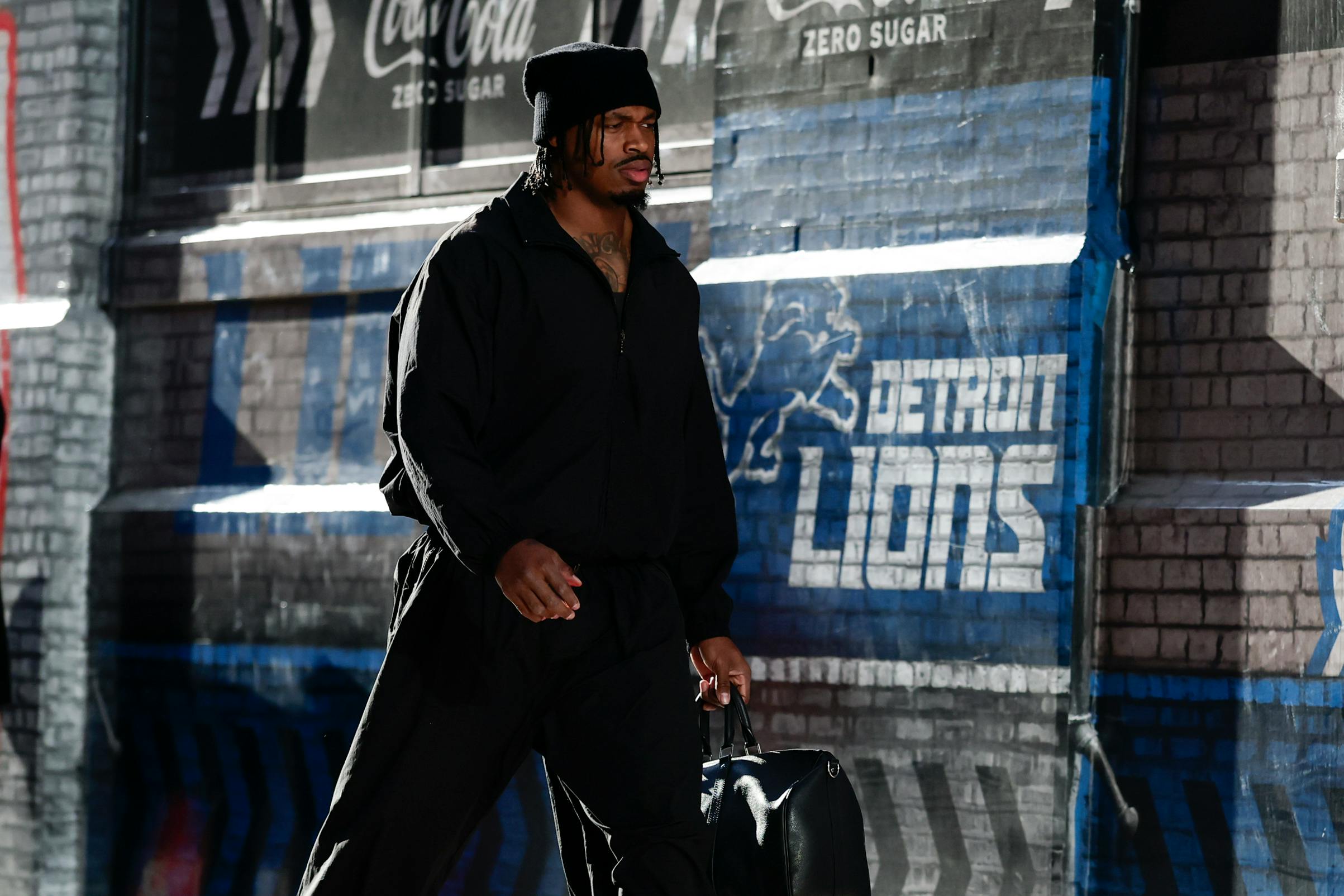
Kyle Smith Has a Job Title That Didn't Exist Before. That's the Whole Tell.
When the NFL hires a fashion editor, it's not about clothes — it's about who gets to decide what matters.
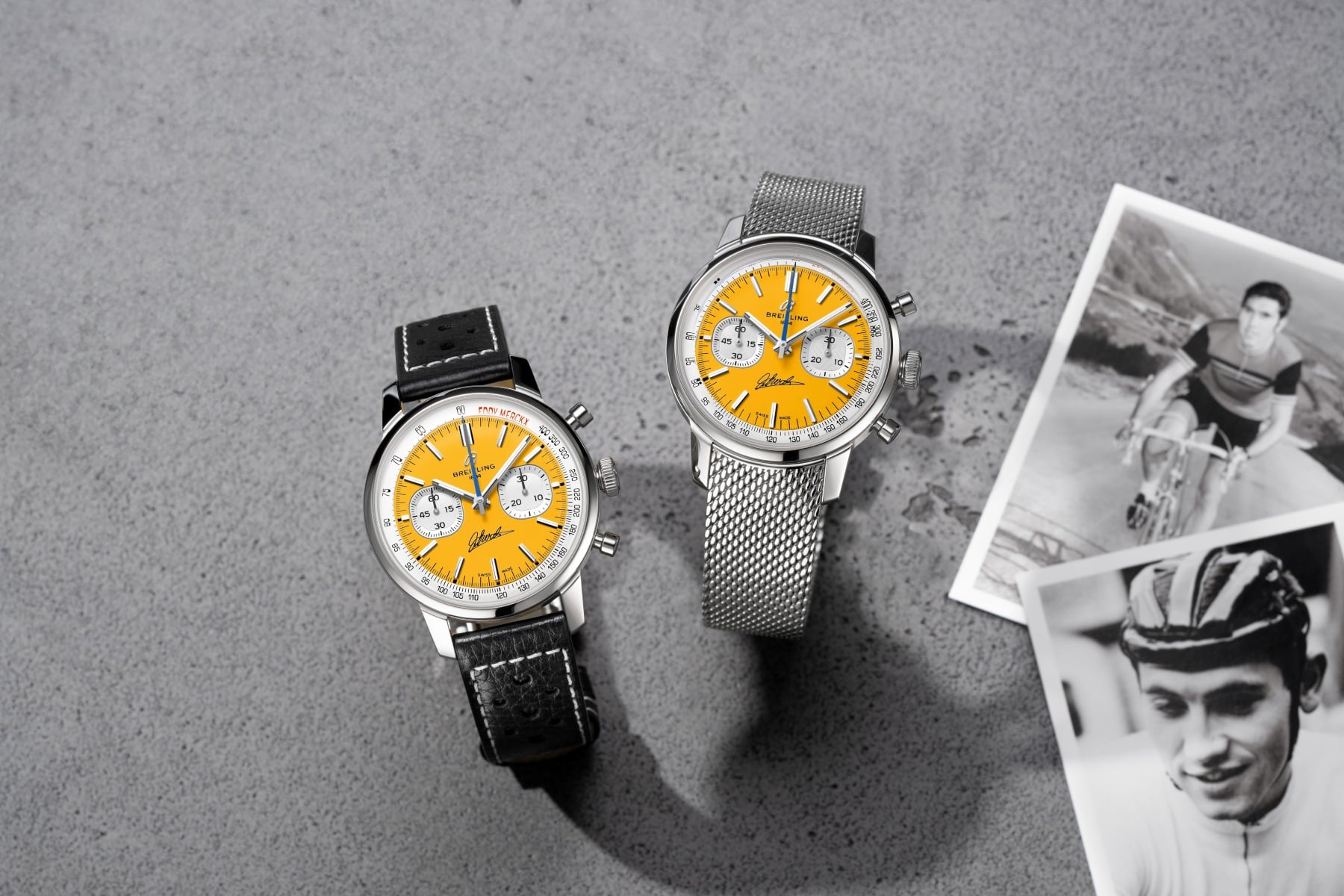
525 Victories, One Dial, and Cycling's Long Wait for a Wrist
Breitling's Eddy Merckx edition doesn't just reference a legend — it asks whether motorsport's younger sibling has finally earned its place in serious watch culture.
From the other desks.

800 Horsepower, One Ton of Doubt
Lamborghini built the most powerful SUV it's ever made. It's also slower than what it replaced.

ESPN Named Him. Then Unnamed Him. Nobody's Explaining the Gap.
A retraction without a reckoning is just a deleted link.

Hide My Email Has Been Showing Your Email
Apple's privacy flagship has a hole in it. They've known for over a year.