Fashion's Biggest Night Finally Has a Protest Outside the Door
The clothes are still extraordinary. But the conversation happening on the sidewalk might matter more.

Photo · WWD
What the Carpet Can't Cover
Imagine two rooms existing simultaneously in New York on the same May night. In one, Beyoncé makes a return that's been ten years in the making, co-chairing an event beside Nicole Kidman and Venus Williams, while Anna Wintour presides over the whole spectacle as she always has — an institution herself at an institution. In another room, not far away, labor advocates and independent designers have built their own show from scratch and named it, with blunt clarity, the Ball Without Billionaires.
Those two rooms are the story of fashion in 2026. Not the clothes. The rooms.
The Costume Institute's new exhibition explores how the body has remained a persistent center of the artistic canon — costume as art, garment as argument, the human form as medium. It's a genuine and serious curatorial position, and by all accounts the expanded galleries make a compelling case for it. The theme is rich enough. And yet the most contested creative decision this year has nothing to do with hemlines or historical references. It has to do with who gets to be an honorary chair.
Jeff Bezos and Lauren Sánchez Bezos are at the center of this particular weather system. Their presence as honorary chairs has generated the kind of friction that normally gets smoothed over by the sheer spectacle of the night itself — the looks, the memes, the moment a singer wears something that rewrites the rules for six months. But this year, the friction didn't smooth. It organized.
The Show Outside the Show
Amazon labor advocates staged the counter-event directly in response to the Bezos involvement. Designers participated. A name was chosen. A venue was found. This wasn't a tweet or an open letter — it was a physical act of parallel programming, a decision to spend the same evening building something with a different set of values.
That's not nothing. Fashion protest has a long and mostly symbolic history. Statements get made, coverage gets generated, things continue as before. But something about the Ball Without Billionaires feels different in texture — less like a rebuke and more like a proposal. Less "this is wrong" and more "here is an alternative." The distinction matters because proposals require follow-through in a way that rebukes don't.
I keep coming back to the workers who organized this. They're making a claim that the Met Gala, for all its cultural weight, cannot be separated from the supply chains and labor conditions that make the clothes possible. It's a claim that's been hovering at fashion's periphery for years, and what's changed is that it finally has a red carpet of its own.
Meanwhile, up the street, the pre-party circuit was running at full warmth. The United Talent Agency gathered clients and friends for their fourth annual pre-Gala event — the kind of gathering Vogue described as feeling like Christmas Eve, which is exactly the right comparison: the anticipation, the insular familiarity, the sense that something meaningful is about to happen and you are among the chosen who get to witness it. Doja Cat stopped at a Herald Square beauty store to visit her own campaign and stock up before the night. The Met Store released limited-edition commemorative items — a silk scarf from Tory Burch, nesting dolls by Thom Browne. The machine was running beautifully.
Two Economies of Meaning
There's no easy villain in this story, which is probably why the story won't resolve neatly. The Costume Institute's scholarship is real. The exhibition sounds genuinely worth seeing. Beyoncé returning after a decade is the kind of cultural moment that earns its own paragraph in whatever record gets kept of this era. Venus Williams at a fashion event is — and I mean this — the right kind of unexpected.
But the Ball Without Billionaires is also real, and it is asking a question that fashion has historically been very good at deferring: who carries the weight of all this beauty, and where does the money actually flow?
The Met Gala has always been a negotiation between art and access, between the democratic promise of fashion as expression and the deeply hierarchical reality of how fashion gets made and sold. The honorary chair structure exists precisely to blur that negotiation — to attach names with cultural and financial gravity to an institution that needs both to function at this scale. That's not cynical. It's just how the thing works.
What's changed is that the negotiation is now being conducted in public, on both sides of the door. The Ball Without Billionaires doesn't need to out-glamour the Met Gala to matter. It just needs to exist, visibly, on the same night. The juxtaposition does the arguing for it.
What Fashion Cares About Now
The Costume Institute's thesis — that the body is an enduring center of artistic expression — is the kind of claim that sounds self-evident until you sit with it. Of course the body is central. But central to whose story? Whose body, made possible by whose labor, worn at whose table?
Fashion at its best has always been a form of aspiration that contains a critique of itself. The most interesting garments in any archive are the ones that knew what they were doing — that understood the contradiction between beauty and cost, between freedom and construction, between the wearer and the maker. The Costume Institute has spent decades making that argument through objects.
Maybe what the Ball Without Billionaires is doing, whether it intends to or not, is extending that argument into the streets. The exhibition says: look at what a garment can mean. The counter-event says: and look at what it takes.
Both are right. That's what makes this particular First Monday in May harder to forget than most.
Keep reading fashion.

Gold Leaf on a Lacquer Dial, and the Weight of What That Costs
Awake's Frosted Leaf Royal Blue asks a question Vietnamese craft has never quite had to answer at this price.
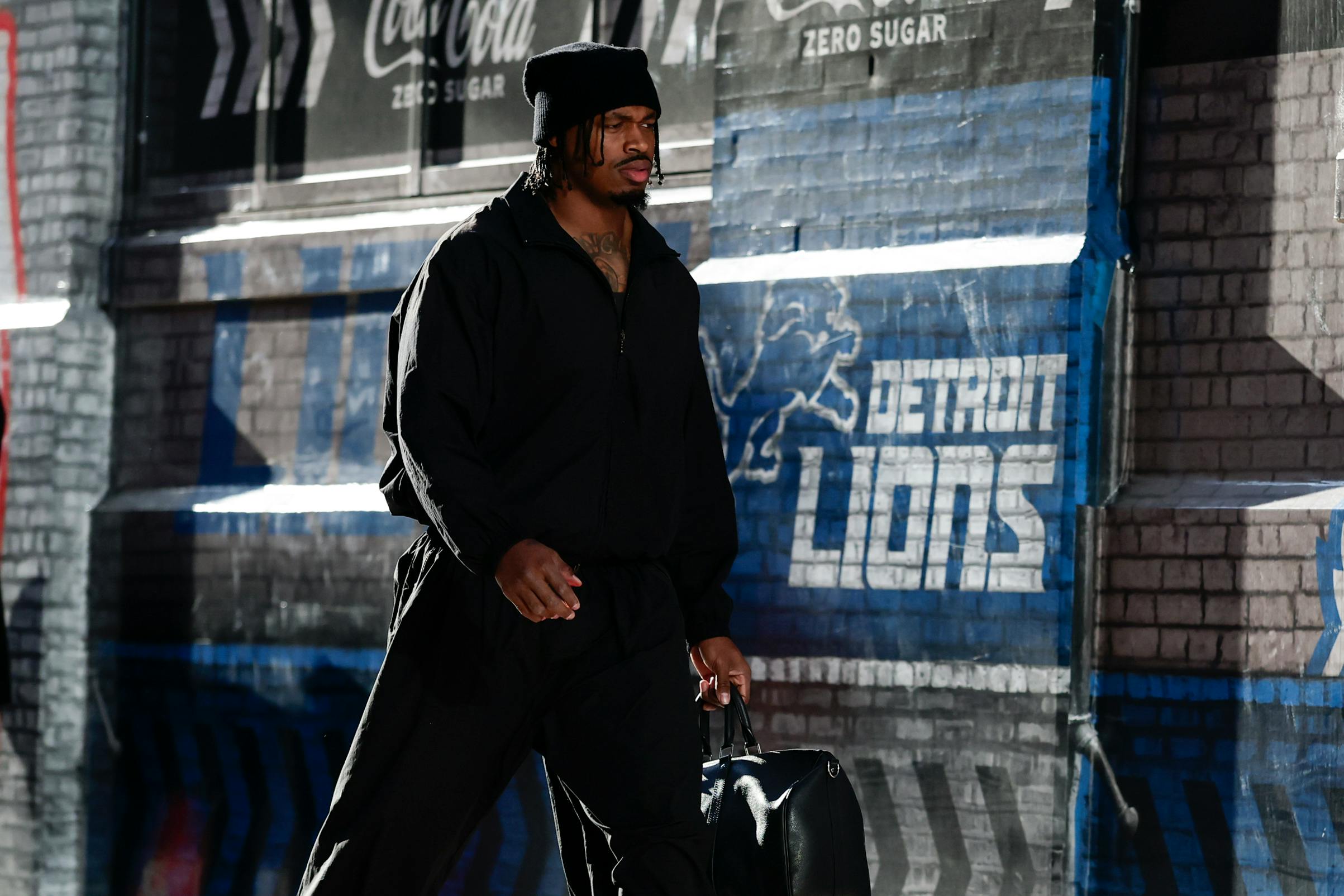
Kyle Smith Has a Job Title That Didn't Exist Before. That's the Whole Tell.
When the NFL hires a fashion editor, it's not about clothes — it's about who gets to decide what matters.
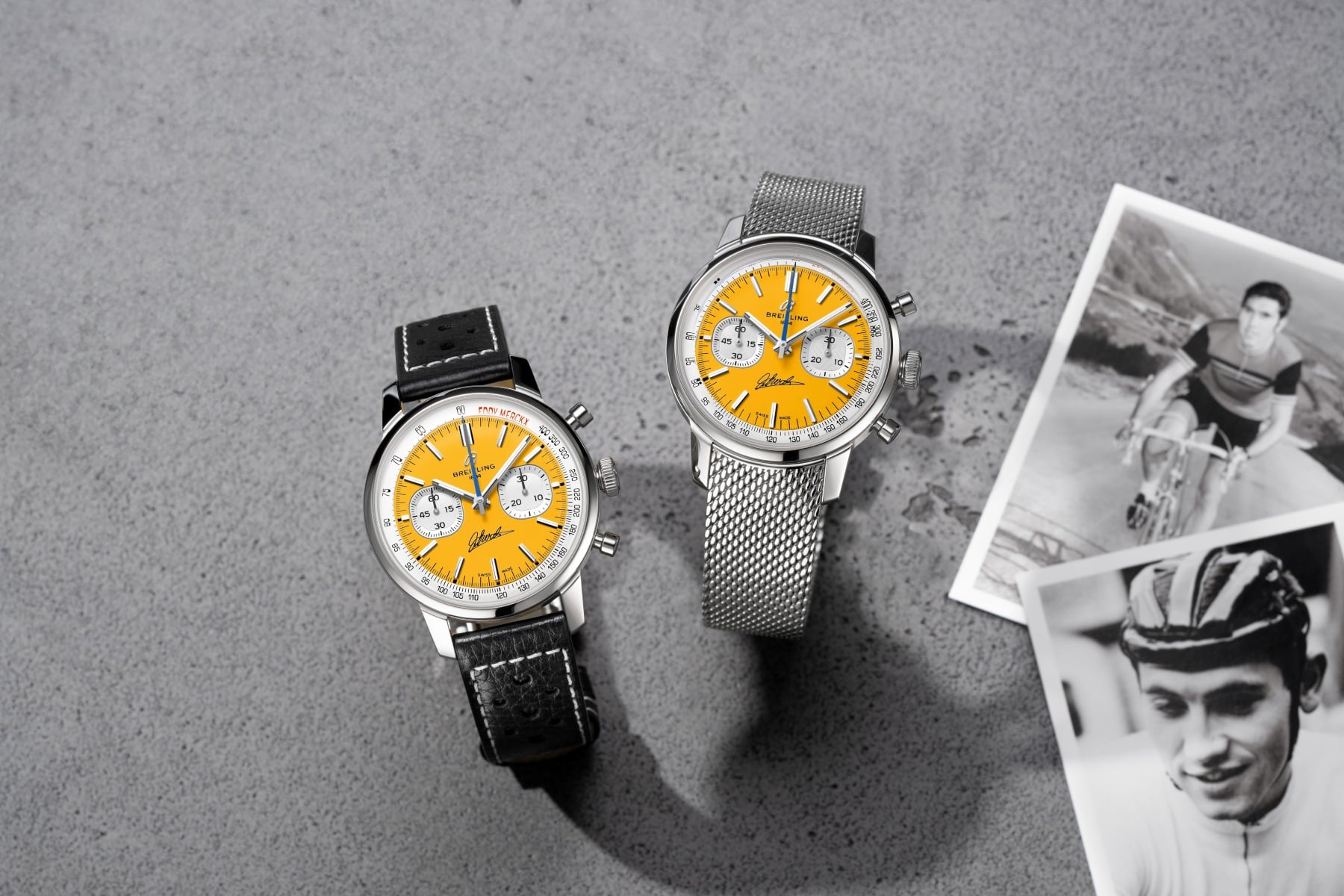
525 Victories, One Dial, and Cycling's Long Wait for a Wrist
Breitling's Eddy Merckx edition doesn't just reference a legend — it asks whether motorsport's younger sibling has finally earned its place in serious watch culture.
From the other desks.

800 Horsepower, One Ton of Doubt
Lamborghini built the most powerful SUV it's ever made. It's also slower than what it replaced.

ESPN Named Him. Then Unnamed Him. Nobody's Explaining the Gap.
A retraction without a reckoning is just a deleted link.

Hide My Email Has Been Showing Your Email
Apple's privacy flagship has a hole in it. They've known for over a year.