Small Purchases Have Always Been a Confession
A writer at Highsnobiety just named the thing jewelry brands already knew.
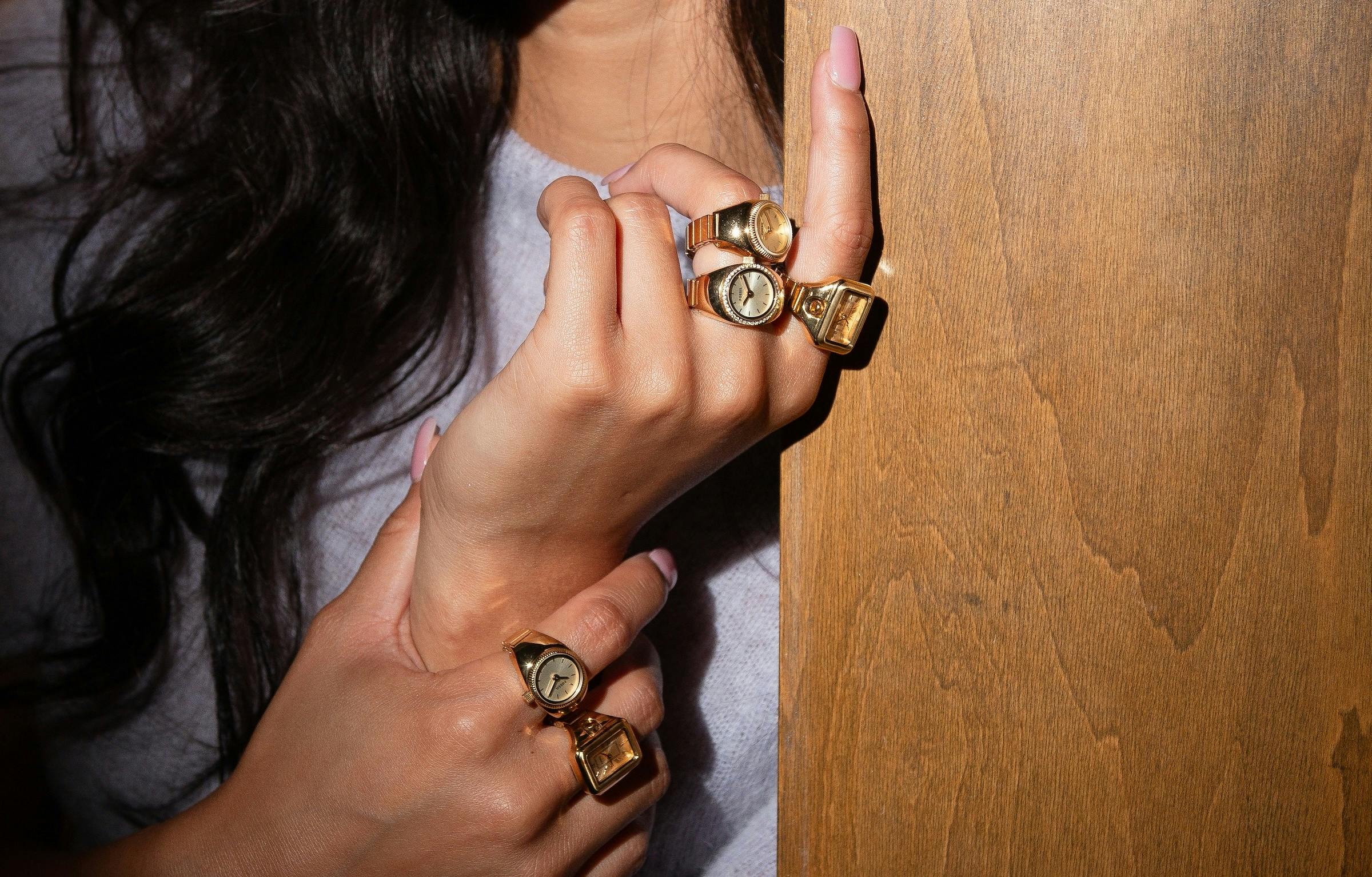
Photo · Highsnobiety
There's a theory doing the rounds again. A writer at Highsnobiety recently surfaced something called the Lipstick Effect — a concept apparently coined in 2001 — which holds that during economic downturns, women trade the big splurge for the small one. Not a wardrobe overhaul. Not a statement bag. A lipstick. A watch. A piece of jewelry that still makes you feel like yourself without requiring a crisis of conscience afterward.
The piece argues this behavior is migrating into jewelry right now. And what's interesting isn't whether that's true. It probably is. What's interesting is that we needed a theory to explain it.
The Permission Structure
Here's what the Lipstick Effect is actually describing, underneath the economics: buying something has never been purely about the thing. It's about what the act of buying does to you emotionally — the small recalibration, the reminder that you're still a person with taste and agency, even when the broader picture feels out of your hands. The lipstick was never really about the lipstick.
Jewelry is a natural heir to that logic. It sits on the body. It catches light. It communicates something to a room without requiring an explanation. And critically, it scales — you can spend very little and still wear something that feels considered, intentional, chosen. The piece in Highsnobiety frames this as women reclaiming the Lipstick Effect, which is a generous construction. What they might actually be doing is continuing a behavior that never stopped. The economy just gave it a name.
What's worth sitting with is what this says about how we've always talked about fashion spending. The implicit assumption baked into the Lipstick Effect — that big purchases are the baseline, and small ones are the consolation — has always slightly missed the point. For most people, the small purchase isn't a compromise. It's the actual relationship with fashion. Considered, occasional, meaningful. The designer bag was always the aberration, not the norm.
What the Moment Reveals
The fact that this framing is resurfacing now says something about where we are. When a theory from 2001 starts circulating again, you're usually in a similar kind of weather. And the fashion industry is not oblivious to it — the move toward jewelry as an entry point isn't accidental. A piece that lasts, that doesn't go out of season, that can be worn at thirty-two and still make sense at fifty-five — that's not a compromise purchase. That's arguably the smarter one.
But here's what I keep coming back to: the most honest thing about the Lipstick Effect is the word effect. It's not describing what women buy. It's describing what the buying does. The feeling of newness without exposure. The small lift when everything else feels heavy. That's not a recession behavior. That's just a human one.
The Highsnobiety piece is worth reading not because it breaks new ground but because it names something that usually goes unnamed — that a lot of fashion spending is emotional maintenance, and there's nothing wrong with that. The shame has always been the problem, not the purchase.
A well-chosen piece of jewelry in a difficult year isn't a consolation prize. It's proof that you're still paying attention to yourself.
Keep reading fashion.

Gold Leaf on a Lacquer Dial, and the Weight of What That Costs
Awake's Frosted Leaf Royal Blue asks a question Vietnamese craft has never quite had to answer at this price.
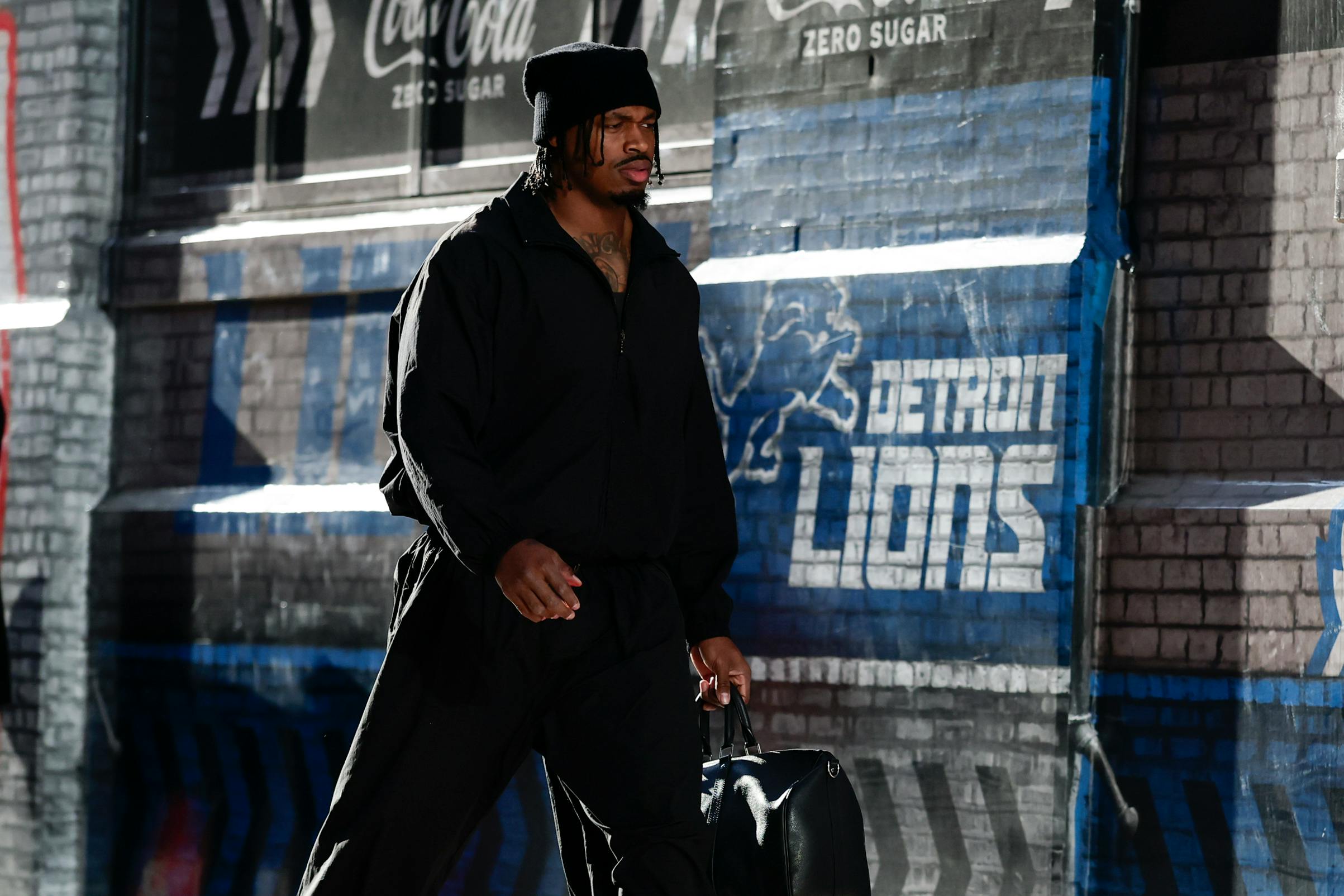
Kyle Smith Has a Job Title That Didn't Exist Before. That's the Whole Tell.
When the NFL hires a fashion editor, it's not about clothes — it's about who gets to decide what matters.
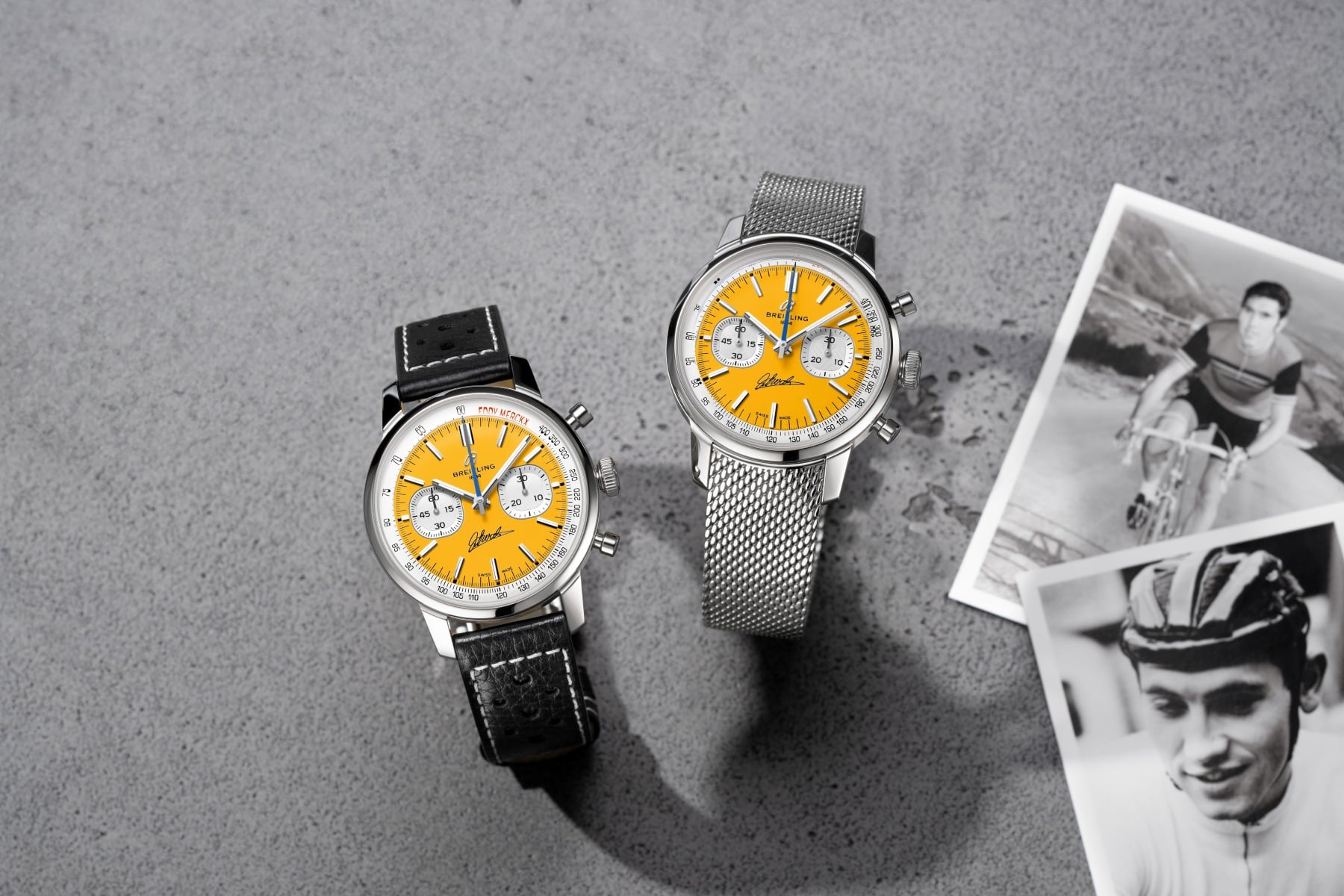
525 Victories, One Dial, and Cycling's Long Wait for a Wrist
Breitling's Eddy Merckx edition doesn't just reference a legend — it asks whether motorsport's younger sibling has finally earned its place in serious watch culture.
From the other desks.

800 Horsepower, One Ton of Doubt
Lamborghini built the most powerful SUV it's ever made. It's also slower than what it replaced.

ESPN Named Him. Then Unnamed Him. Nobody's Explaining the Gap.
A retraction without a reckoning is just a deleted link.

Hide My Email Has Been Showing Your Email
Apple's privacy flagship has a hole in it. They've known for over a year.