Apple Lost. Now It's Arguing About What 'Lost' Means.
A Supreme Court petition that has nothing to do with winning and everything to do with who the ruling actually covers.

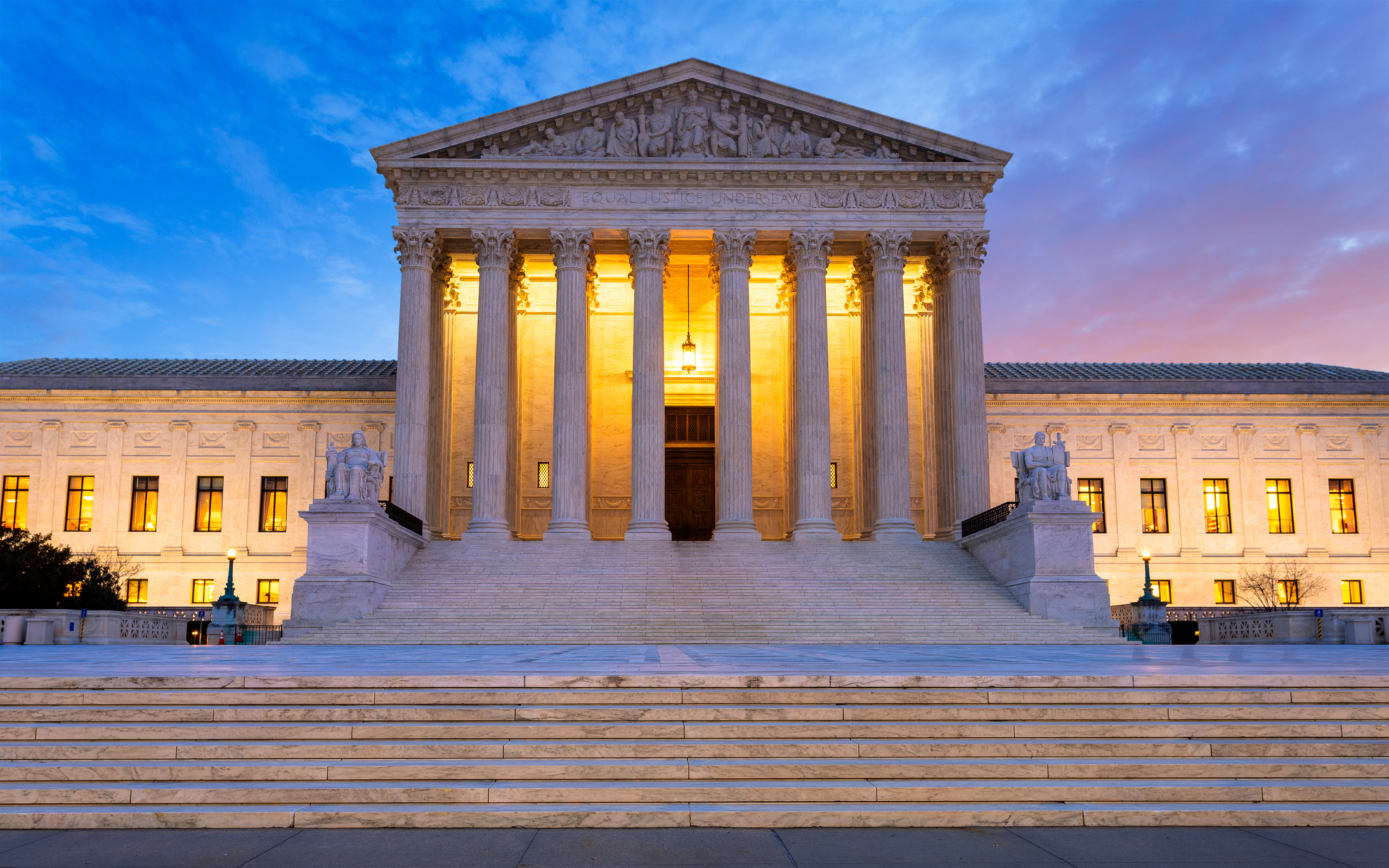
Photo · TechCrunch
There's a specific kind of legal maneuvering that only happens after you've already lost. It doesn't look like a comeback. It looks like a contractor arguing about which rooms the permit covers.
That's where Apple is right now.
The company has petitioned the Supreme Court to take up two questions stemming from its long legal fight with Epic Games. As reported across multiple outlets, the first question is whether Apple should have been found in contempt for charging a commission on purchases made outside the App Store. Apple's position: the original injunction only required them to allow external payment links and buttons — it said nothing about what Apple could charge developers once customers used those links. The second question is the one that actually matters at scale.
The Scope Is the Game
Apple wants the Supreme Court to rule that whatever injunction exists should apply only to Epic Games — not to every developer operating in the U.S. App Store. That argument leans, according to the Ninth Circuit ruling that Daring Fireball flagged, on a case called Trump v. CASA as precedent for narrowing injunctive relief to the specific parties in a dispute.
Read that again slowly. Apple isn't arguing it should have won. It's arguing that even in losing, the blast radius should be as small as legally possible.
This is a company that spent years and considerable resources establishing that its App Store rules were fair, necessary, and non-negotiable — and is now in the position of asking the highest court in the country to make sure those rules only have to change for one game developer from North Carolina. Everyone else, presumably, stays in the original arrangement.
TechCrunch framed it plainly: Apple is arguing the Epic lawsuit shouldn't reshape App Store rules for all developers. Which is a sentence that would have seemed absurd as a legal strategy five years ago, and now reads as the entire ballgame.
What the Coverage Keeps Dancing Around
Three sources, same story, and none of them linger on the obvious irony long enough: the original Epic lawsuit was always about the whole ecosystem. Epic didn't sue Apple to get a better deal for Fortnite. The argument was systemic — that the App Store's structure harmed competition broadly. The fact that Apple is now trying to surgically confine any remedy to a single plaintiff is, depending on your read, either legally sophisticated or a tacit acknowledgment that the remedy, if applied universally, would actually hurt.
You don't fight this hard to minimize a ruling's scope unless the scope matters.
The contempt question is almost a sideshow by comparison. Apple's argument there — that the injunction addressed links and buttons, not downstream commissions — is a parsing exercise. Courts generally don't look warmly on compliance strategies that honor the letter of an order while neutralizing its effect. The Ninth Circuit apparently agreed. Whether the Supreme Court takes a different view is genuinely uncertain, but the framing Apple chose says something: they'd rather argue about what the words meant than about whether the outcome was fair.
I've watched enough of these platform disputes unfold to know the pattern. The initial ruling lands, everyone writes the obituary for the old model, and then the appeals process quietly reconstructs most of what was supposedly dismantled — one footnote at a time.
Apple may not win at the Supreme Court. But if it succeeds in limiting the injunction to Epic alone, it will have effectively won the thing that actually threatened its business — and done it without anyone having to officially call it a win.
Losing, it turns out, has a lot of fine print.
Keep reading tech.

Hide My Email Has Been Showing Your Email
Apple's privacy flagship has a hole in it. They've known for over a year.

Sony Killed the Disc. Sony Is Also Killing the Store.
Two announcements, one company, and a quiet admission that "ownership" was always their word to define.
Apple Went to the Highest Court It Could Find. That Tells You Everything.
When a contempt ruling sends you to the Supreme Court, you're not defending a policy anymore — you're defending a worldview.
From the other desks.

800 Horsepower, One Ton of Doubt
Lamborghini built the most powerful SUV it's ever made. It's also slower than what it replaced.

Gold Leaf on a Lacquer Dial, and the Weight of What That Costs
Awake's Frosted Leaf Royal Blue asks a question Vietnamese craft has never quite had to answer at this price.

ESPN Named Him. Then Unnamed Him. Nobody's Explaining the Gap.
A retraction without a reckoning is just a deleted link.