Richemont Grew 11%. Nobody Was Chasing You.
The numbers are in, and the industry isn't optimizing for aspiration anymore — it's optimizing for certainty.
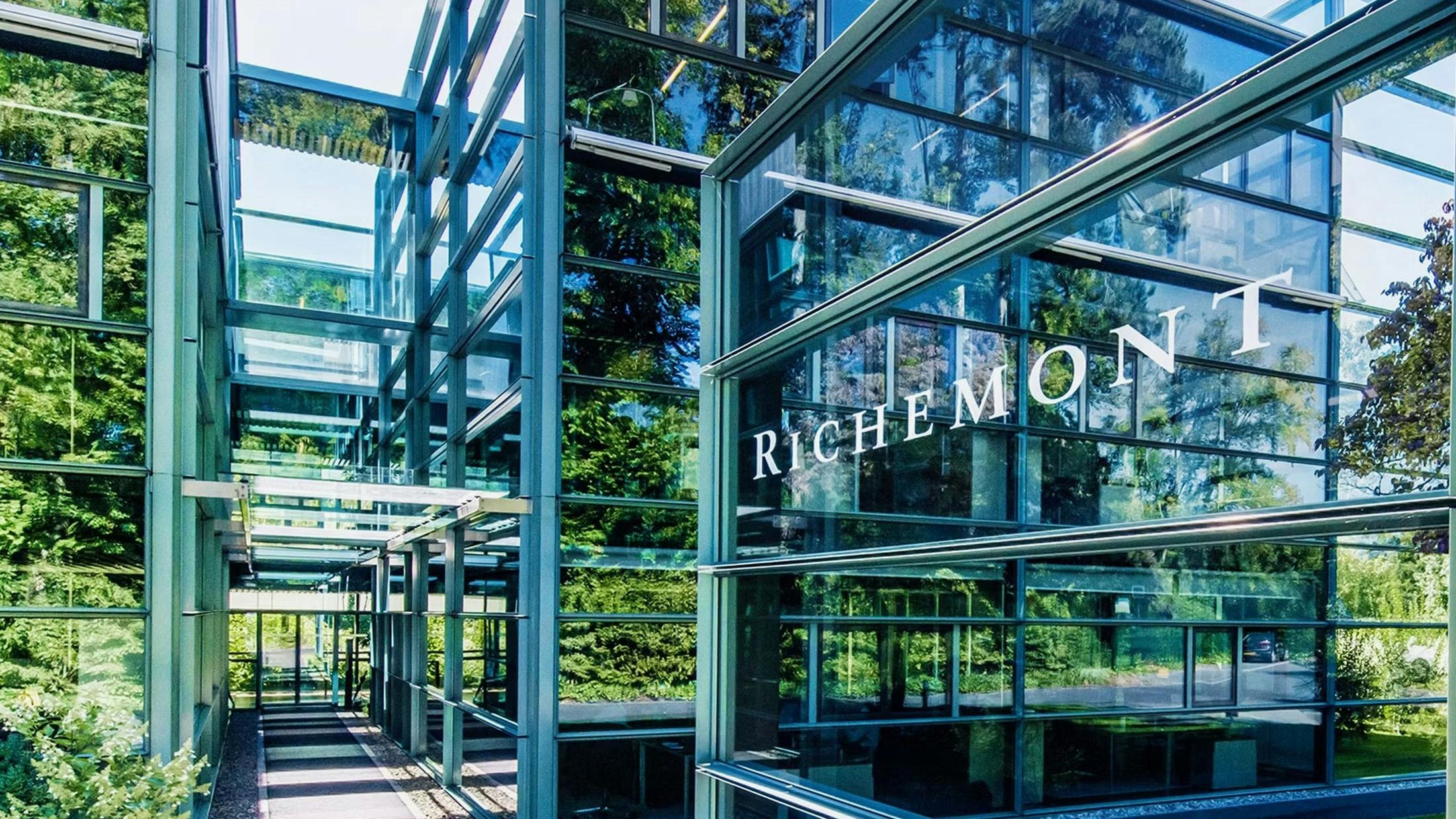
Photo · Hodinkee
There's a version of this story that gets written as triumph. Sales up 11% at constant exchange rates. Profit for the year up 27%. EUR 22.4 billion in total. Cartier gaining market share. Van Cleef & Arpels pulling Chinese consumers toward new product lines. By any conventional measure, Richemont had a year worth announcing, and they announced it.
But read the shape of it carefully, and something else comes through.
The Market They're Actually Talking To
The U.S. held. That's the phrase that keeps surfacing across the coverage — resilience in America, momentum in China around specific new offerings at Cartier and Van Cleef & Arpels, according to reporting from The Business of Fashion. Meanwhile, Middle East sales took a hit from the ongoing effects of regional conflict. One market absorbs the blow. Two others carry the weight. The group posts its best numbers in some time.
What this describes is not a broad market. It's a deep one. A narrow band of consumers wealthy enough that geopolitical turbulence in one region barely registers in the annual report — because there are other regions, other currencies, other appetites ready to fill the gap. The portfolio is globally diversified in the way that only makes sense if your customer base is globally mobile.
This is not a criticism. It's a structural observation. Richemont has spent years positioning itself at the very top of the goods hierarchy, and the results now reflect exactly that positioning. When your profit grows 27% in a year when parts of the world are at war and interest rates are still making everyone nervous, you are not selling to the person who saved up. You are selling to the person who never had to.
Hodinkee noted that Richemont Chairman Rupert addressed the company's watchmaking portfolio directly — specifically, that selling Jaeger-LeCoultre was never under consideration. That's a small detail that carries weight. When a conglomerate this size says publicly that a brand wasn't on the table, it's signaling that the table isn't being reorganized around financial pressure. The decisions being made are long ones. The kind you make when you're not worried about the quarter.
What Gets Optimized When the Middle Leaves
For a while, there was a version of this industry that hedged. Entry-level offerings, accessible price points at the lower end of heritage brands, the general sense that aspiration had to be maintained as a feeder system — get them into the brand young and watch them climb. That logic assumed a middle market with upward mobility and enough discretionary income to participate meaningfully.
That assumption has been quietly retired.
What Richemont's numbers describe instead is a company that has found its ceiling and decided to build a better room up there rather than install a wider staircase. Cartier outpacing rivals isn't just a brand story — it's evidence that when you concentrate resources at the top of the market, the top of the market responds. The jewellery segment driving share gains. New product lines generating Chinese demand. The U.S. holding firm.
None of this happened by accident, and none of it was aimed at the middle.
The industry used to talk about democratizing access — not to the objects themselves, but to the feeling of them. A fragrance, an entry watch, a leather good that let someone carry a name they'd dreamed about. That conversation has gone quiet. Not because the brands got arrogant, exactly, but because the math stopped supporting it. The wealthy got wealthier at a rate that made the middle tier a distraction. And now the numbers show what happens when you stop being distracted.
EUR 3.5 billion in profit. Sales trending positive through the fourth quarter. A chairman publicly comfortable keeping his portfolio intact.
The house isn't for sale. And it was never really built for you to visit.
Keep reading fashion.

Gold Leaf on a Lacquer Dial, and the Weight of What That Costs
Awake's Frosted Leaf Royal Blue asks a question Vietnamese craft has never quite had to answer at this price.

Kyle Smith Has a Job Title That Didn't Exist Before. That's the Whole Tell.
When the NFL hires a fashion editor, it's not about clothes — it's about who gets to decide what matters.

525 Victories, One Dial, and Cycling's Long Wait for a Wrist
Breitling's Eddy Merckx edition doesn't just reference a legend — it asks whether motorsport's younger sibling has finally earned its place in serious watch culture.
From the other desks.

800 Horsepower, One Ton of Doubt
Lamborghini built the most powerful SUV it's ever made. It's also slower than what it replaced.

ESPN Named Him. Then Unnamed Him. Nobody's Explaining the Gap.
A retraction without a reckoning is just a deleted link.

Hide My Email Has Been Showing Your Email
Apple's privacy flagship has a hole in it. They've known for over a year.