Fifty Years Without a Battery Change, and Nobody Wrote a Poem About It
Citizen flew a writer to Japan to see how the watch gets made. What came back was something rarer than a complication.
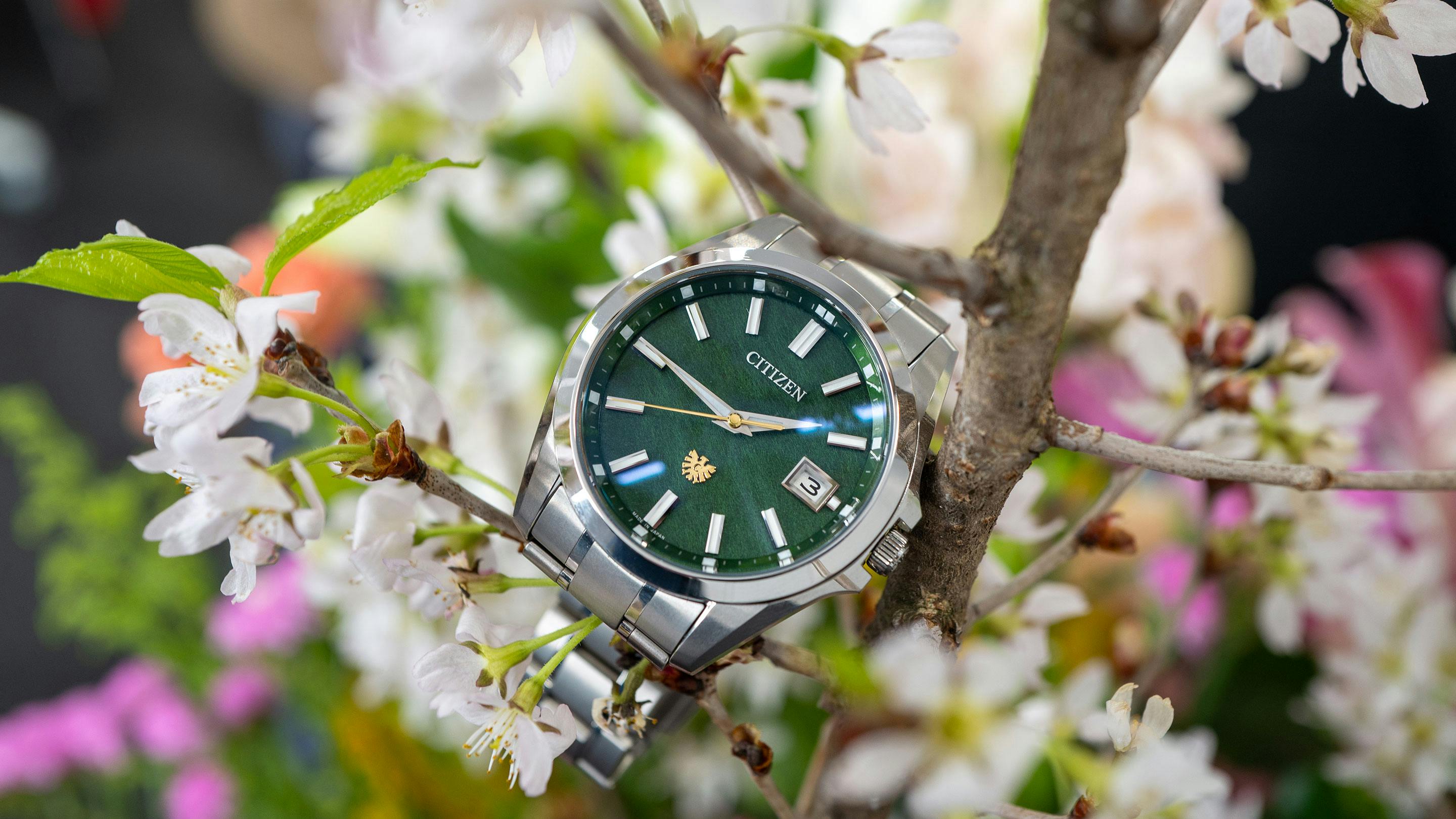
Photo · Hodinkee
The Thing Nobody Romanticizes
There is a version of watchmaking that lives in the imagination — dimly lit ateliers, tweezers held by steadied hands, the myth of a single craftsman and a single object moving toward each other across a long wooden bench. That version sells very well. It has its own vocabulary, its own publications, its own reverence. It is, in many cases, genuinely earned.
And then there is the other version: the one that works.
Hodinkee recently sent a writer to Japan for a week with Citizen, tracing the fifty-year arc of Eco-Drive from its origins through dial production near Mt. Fuji to movement assembly in Nagano. The piece is a photo report, which means it leads with images — factory floors, archive rooms, components under magnification. What it captures, almost incidentally, is something the watch world tends to undervalue: the poetry of a system that simply does not fail.
I keep thinking about what it takes to sustain a technology for half a century without reinventing the premise.
What Scale Actually Looks Like
The word that the watch world reaches for, when it wants to praise something made in volume, is engineering. It's meant as a compliment, but it lands a little cold. Engineering is what you say when you respect the result but can't quite bring yourself to call it art.
What the Hodinkee piece documents — in Nagano, at the foot of Fuji, through the Tokyo archives — is something closer to institutional memory expressed through manufacturing. Dial-making as a discipline. Movement assembly as a practice refined across decades and geography. The kind of process that doesn't happen in a single room or a single generation, but accumulates, layer by layer, until the object that reaches your wrist carries the weight of all of it without advertising the fact.
This is what Japanese watchmaking has always done differently. Not the loudest complication. Not the most theatrical origin story. The relentless, unglamorous work of making something that holds.
Eco-Drive — the technology at the center of Citizen's anniversary — converts light into energy, which means the watch on your wrist runs without a battery replacement as long as it sees light. That's the pitch, and it's been the pitch for fifty years. There is no new chapter to announce. The chapter is the same chapter, revised and refined and held to the original promise.
That kind of consistency is almost impossible to make exciting. And yet.
The Archive as Evidence
One of the images in the Hodinkee report is from Citizen's archives in Tokyo — a record of where the brand has been, what it built, what it kept. Archive rooms in watchmaking tend to get treated as shrines. The objects inside become relics. The implication is that the past was the peak, and the present is the stewardship of that peak.
But Citizen's archive reads differently in context. It isn't a shrine to a golden age. It's evidence of a process that never stopped. The Tokyo visit, the Fuji dial-making, the Nagano assembly — they're not chapters in a history lesson. They're stages in something still running.
A writer at Hodinkee moved through all of it in a week. What they returned with wasn't a discovery of some hidden genius — no secret master, no mythologized founder, no single object that changes how you see everything else. What they returned with was a picture of continuity. And I find myself thinking that continuity, at this scale and this duration, might be the harder thing to pull off.
Anybody can make something beautiful once. You have to be genuinely good to make something reliable for fifty years.
What the Moment Reveals
Hodinkee publishing this piece now — a photo report, a week in Japan, a careful look at process — says something about where the watch conversation is. There's an appetite, lately, for the demystified view. Not the mythology, but the mechanism. Not the founder's quote, but the factory floor. Readers who've grown up inside the hype cycle are starting to find more meaning in the thing that just works than in the thing that performs working.
Citizen is an interesting subject for that appetite because it has never really trafficked in mythology. The brand's argument has always been functional: here is what the watch does, here is how long it does it, here is the process that makes it possible. There's no charismatic origin story being sold. There's a dial made near Mt. Fuji and a movement assembled in Nagano and fifty years of not asking you to change the battery.
That's not nothing. That might be everything.
I think about the things in my own life that I trust completely and never think about — the objects that have stopped being objects and started being infrastructure. The ones that do their job so consistently that they disappear into the background of living. We don't tend to celebrate those things. We celebrate the arrival, the drama, the complication.
But the watch that runs without interruption, year after year, in any light — that one is doing something harder than it looks. The poem was always there. We just weren't reading the factory floor.
Keep reading fashion.

Gold Leaf on a Lacquer Dial, and the Weight of What That Costs
Awake's Frosted Leaf Royal Blue asks a question Vietnamese craft has never quite had to answer at this price.

Kyle Smith Has a Job Title That Didn't Exist Before. That's the Whole Tell.
When the NFL hires a fashion editor, it's not about clothes — it's about who gets to decide what matters.
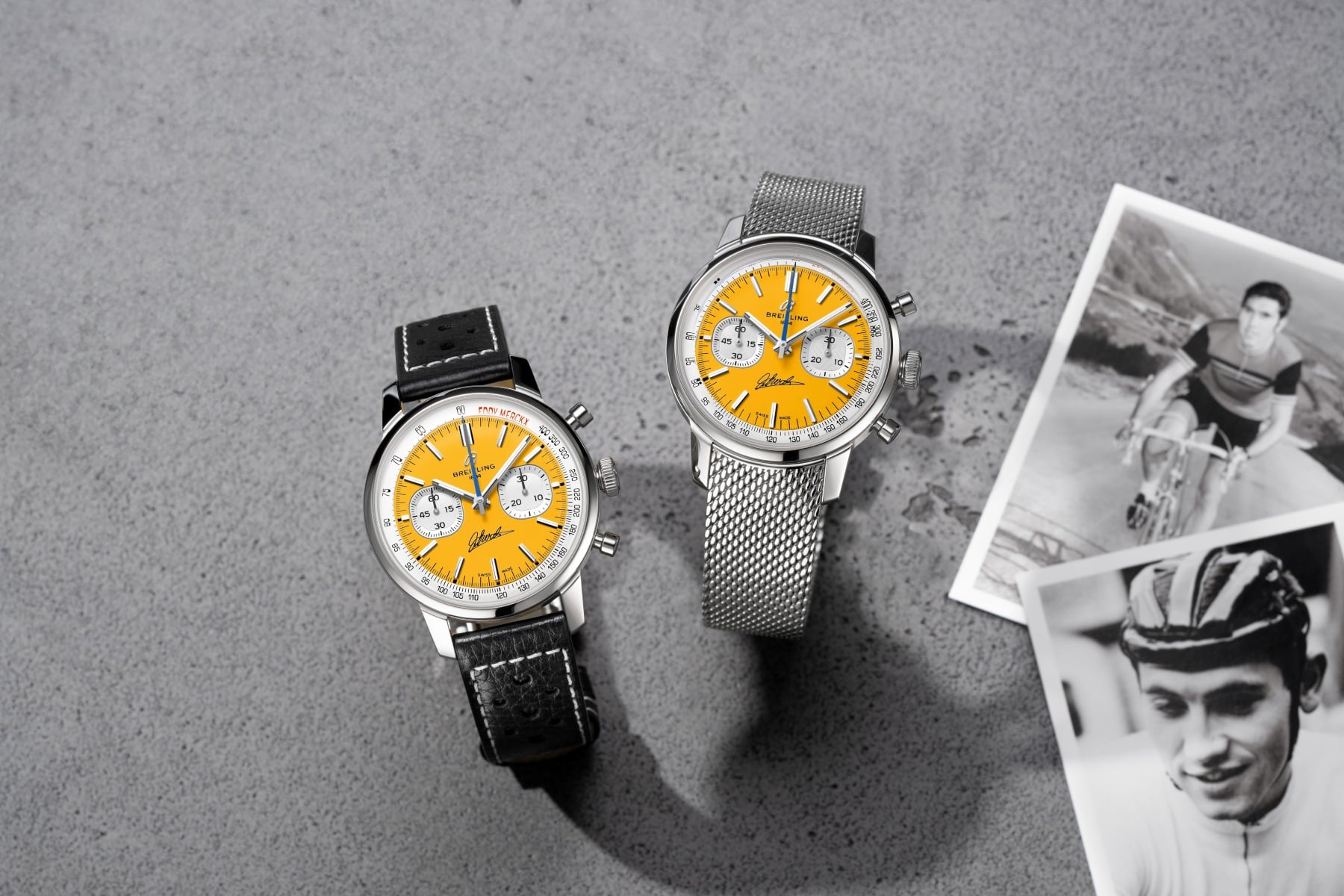
525 Victories, One Dial, and Cycling's Long Wait for a Wrist
Breitling's Eddy Merckx edition doesn't just reference a legend — it asks whether motorsport's younger sibling has finally earned its place in serious watch culture.
From the other desks.

800 Horsepower, One Ton of Doubt
Lamborghini built the most powerful SUV it's ever made. It's also slower than what it replaced.

ESPN Named Him. Then Unnamed Him. Nobody's Explaining the Gap.
A retraction without a reckoning is just a deleted link.

Hide My Email Has Been Showing Your Email
Apple's privacy flagship has a hole in it. They've known for over a year.