Rhinestones on a Skate Brand. Nobody Flinched.
Vans just released a bedazzled ballet sneaker, and the more interesting story is that it needed no explanation.
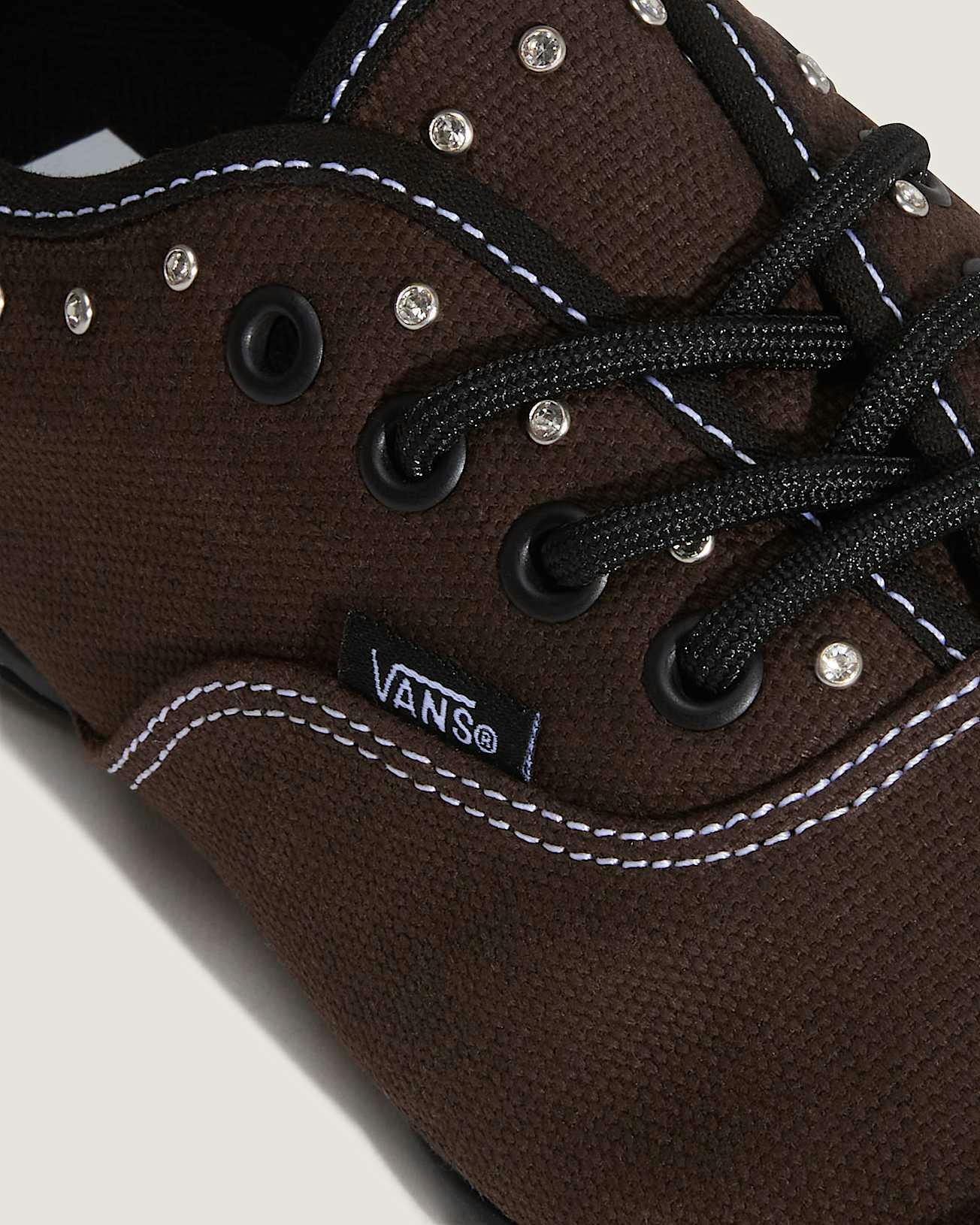
Photo · Highsnobiety
There's a version of this story where the rhinestones are the surprise. They're not.
Highsnobiety ran a piece on the Vans Prima this week — ballet-inspired silhouette, diamond rhinestones, black leather accents, brown canvas — and the headline alone tells you everything about where we are: not playing coy. That's the tell. A blinged-out sneaker from a brand built on flat rubber soles and parking lot concrete, and the cultural framing is simply yes, and?
That confidence is worth sitting with for a moment.
The Permission Structure Has Shifted
For a long time, sparkle on a sneaker was a statement. It meant something — camp, subversion, a wink at the whole sneaker-as-serious-object conversation. It required justification, or at least irony. You were doing something to the category. Now, apparently, you're just making a shoe.
The ballet reference on the Prima is doing real work here, but not in the way you might expect. It's not dragging the sneaker into fine arts territory to make the rhinestones feel earned. It's closer to the opposite — the ballet silhouette is a doorway, a shape that already carries associations with delicacy and ornamentation, and Vans walked through it without ceremony. The rhinestones aren't a costume. They're a finish.
That distinction matters. There's a long tradition of brands borrowing from dance or performance to signal that they're doing something elevated. This doesn't read that way. It reads like a brand that looked at its own archive, found a shape it liked, and asked what it would look like with some light catching it.
The brown canvas and black leather keep it grounded. That combination could easily read as an afterthought — the serious materials to offset the flash — but together they suggest something more considered. The rhinestones aren't compensating for anything. They're just there, doing their job, which is to catch light in a parking lot or on a dance floor with equal indifference.
What Highsnobiety Is Actually Saying
Publishing this with that headline is a cultural signal as much as a product notice. The writer isn't asking whether this works. The piece exists to say it does. That's a notable editorial stance from a publication that has always had one foot in streetwear's self-seriousness — and it reflects something real about where the audience has moved.
The reader being addressed doesn't need convincing that rhinestones belong on a Vans. They need to know the colorway and where to find it.
That's a meaningful shift. Not long ago, this piece would have had to do more work — contextualize, historicize, defend. Now it just announces. The confidence is shared between the brand and the publication and, presumably, the person who will actually wear these. Whatever gate once existed between utilitarian footwear and unabashed decoration, it's been left open long enough that nobody remembers closing it.
Some things stop being transgressive so quietly that you only notice in retrospect.
Vans put rhinestones on a ballet sneaker, Highsnobiety said obviously, and both of them were right.
Keep reading fashion.

Gold Leaf on a Lacquer Dial, and the Weight of What That Costs
Awake's Frosted Leaf Royal Blue asks a question Vietnamese craft has never quite had to answer at this price.
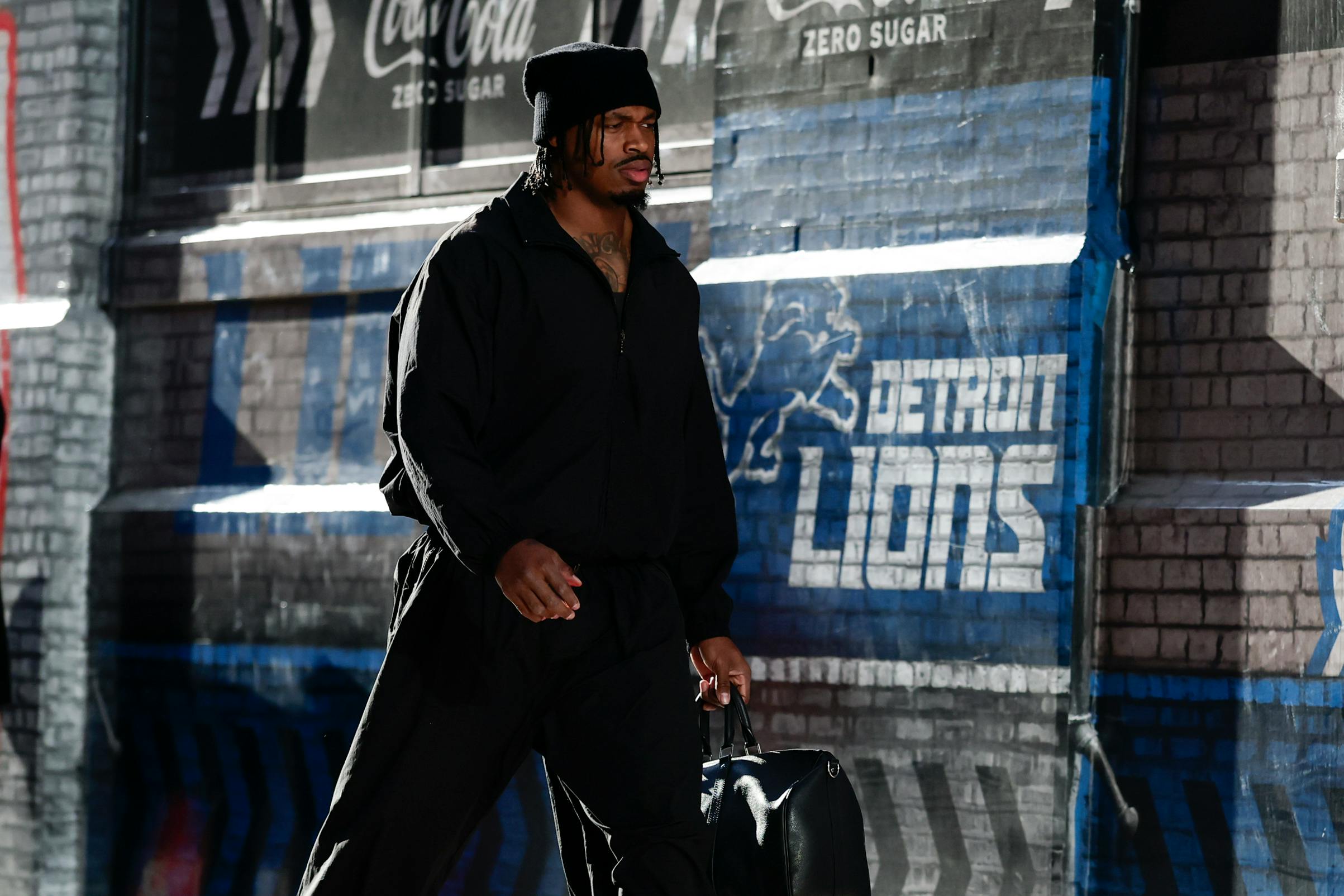
Kyle Smith Has a Job Title That Didn't Exist Before. That's the Whole Tell.
When the NFL hires a fashion editor, it's not about clothes — it's about who gets to decide what matters.
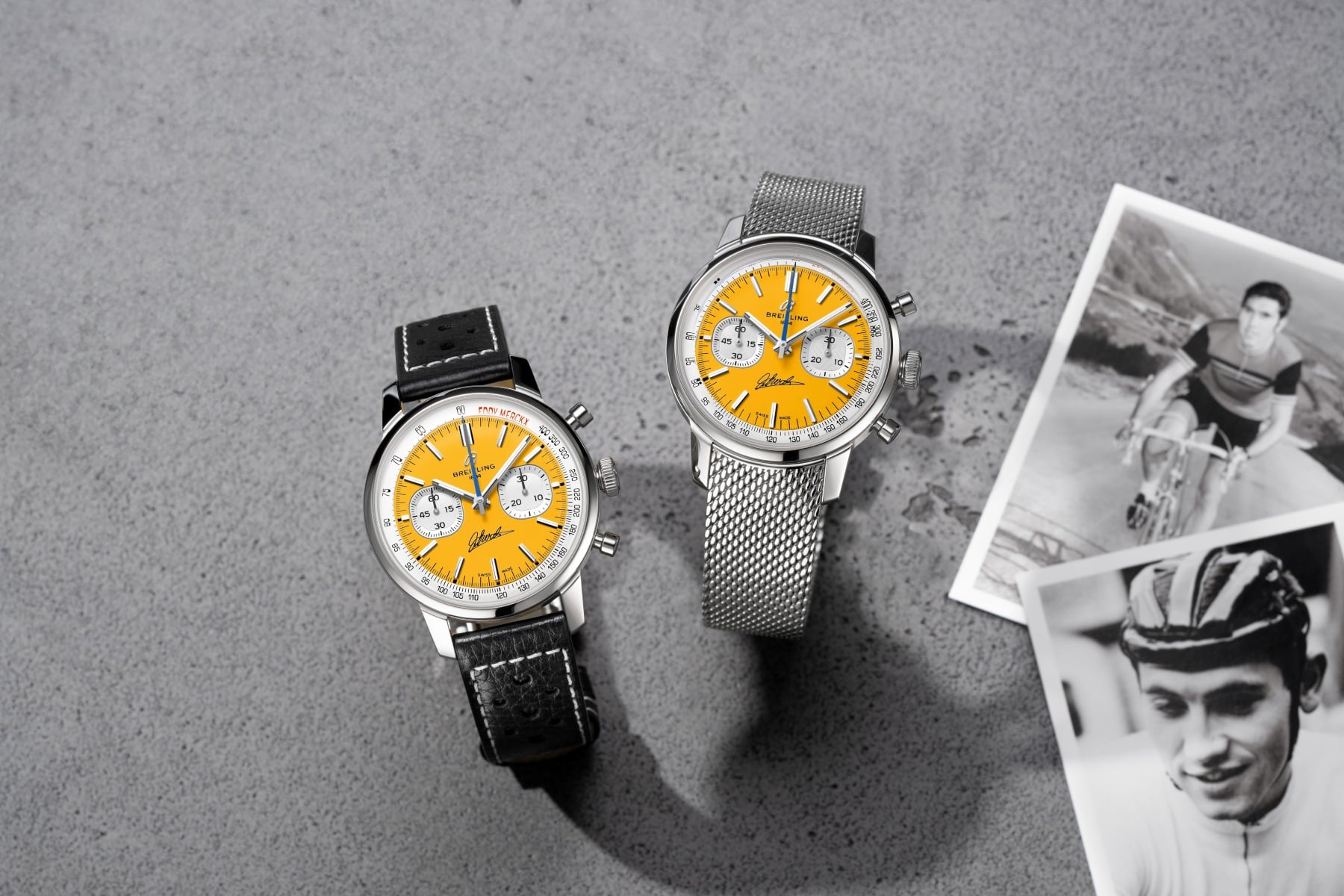
525 Victories, One Dial, and Cycling's Long Wait for a Wrist
Breitling's Eddy Merckx edition doesn't just reference a legend — it asks whether motorsport's younger sibling has finally earned its place in serious watch culture.
From the other desks.

800 Horsepower, One Ton of Doubt
Lamborghini built the most powerful SUV it's ever made. It's also slower than what it replaced.

ESPN Named Him. Then Unnamed Him. Nobody's Explaining the Gap.
A retraction without a reckoning is just a deleted link.

Hide My Email Has Been Showing Your Email
Apple's privacy flagship has a hole in it. They've known for over a year.