GM Built the Future First. Now It's Selling the Past.
The automaker with the world's broadest electric truck lineup just quietly decided that wasn't the argument it wanted to be making.
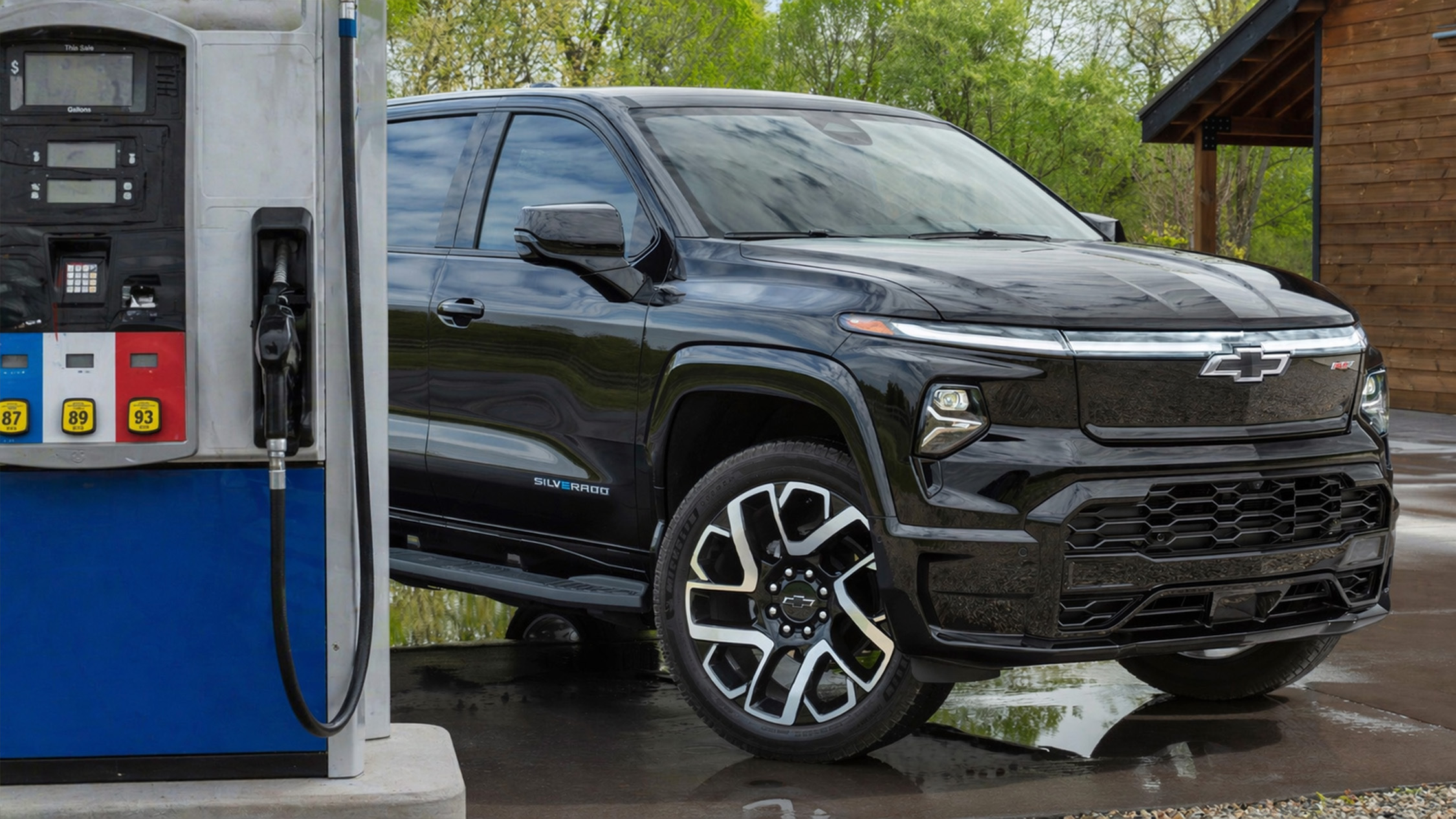
Photo · Carscoops
There's a particular kind of retreat that doesn't announce itself. No press conference, no apology, no honest reckoning — just a pivot memo and a spokesperson reminding you that the destination hasn't changed, only the route.
That's where GM is right now.
According to reporting from Carscoops and Autoweek, next-generation versions of the Chevy Silverado EV and GMC Sierra EV are on hold, with GM pulling development focus back toward combustion engines and hybrids. The Autopian noted that GM arguably holds the broadest lineup of full-size electric trucks of any automaker on the planet — a real accomplishment, one that took serious engineering and serious money. What it apparently hasn't taken is serious customers. Sales haven't matched the ambition. So the successors are being slow-walked, and the company is quietly reacquainting itself with gasoline.
Meanwhile, a GM spokesperson told Motor1 that the company has "not canceled any electric trucks" and that EVs remain "the end game." Which is technically a very different thing from what the reporting describes — and also a very careful thing to say.
The Language of Not Quitting
There's a specific grammar companies use when they're losing a bet they made publicly. It involves a lot of horizon language. The end game. The long term. The journey. What it doesn't involve is an honest look at what the market actually said back to you when you put the product in front of it.
Ford backed away from one electric truck. GM, per Carscoops, is backing away from four next-generation ones. That's not a recalibration. That's a category rethink dressed in cautious language.
And here's what makes it interesting rather than just embarrassing: the rethink might be right. Hybrids aren't a consolation prize — they're what a meaningful portion of truck buyers actually want right now. Lower range anxiety. Familiar fueling. Real towing numbers without the asterisks. The market has been saying this clearly for a couple of years. GM, like most of Detroit, spent a while deciding the market was wrong before deciding, quietly, that it wasn't.
What the Delay Actually Admits
The EV truck pitch always had a subsidy-shaped foundation beneath it. Federal incentives, fleet commitments, infrastructure promises — the math worked with all of that in place. Strip any of it out and the equation changes. Strip enough of it out and you're slow-walking your successor program and pivoting back toward engines you know how to sell.
None of the sources say that explicitly. But the pattern across all four of them points the same direction: a company that moved fast on a technology story, found that the story required more infrastructure and consumer patience than currently exists, and is now buying time with the language of commitment while making decisions that look a lot like retreat.
That's not a condemnation. That's just the gap between where the industry wanted the world to be and where the world actually is.
What GM built in the first generation of electric trucks deserves credit. The Autopian is right about the breadth of it — it's genuinely impressive as an engineering and logistics feat. But impressive doesn't move metal. And the next generation of anything only gets funded when the current generation makes the argument for it.
Right now, apparently, it isn't.
The end game is still electric. The next move is a hybrid. And somewhere in that distance between the two is the honest admission that the fantasy needed the subsidies to work — and the market needed more time than anyone wanted to give it.
Keep reading cars.
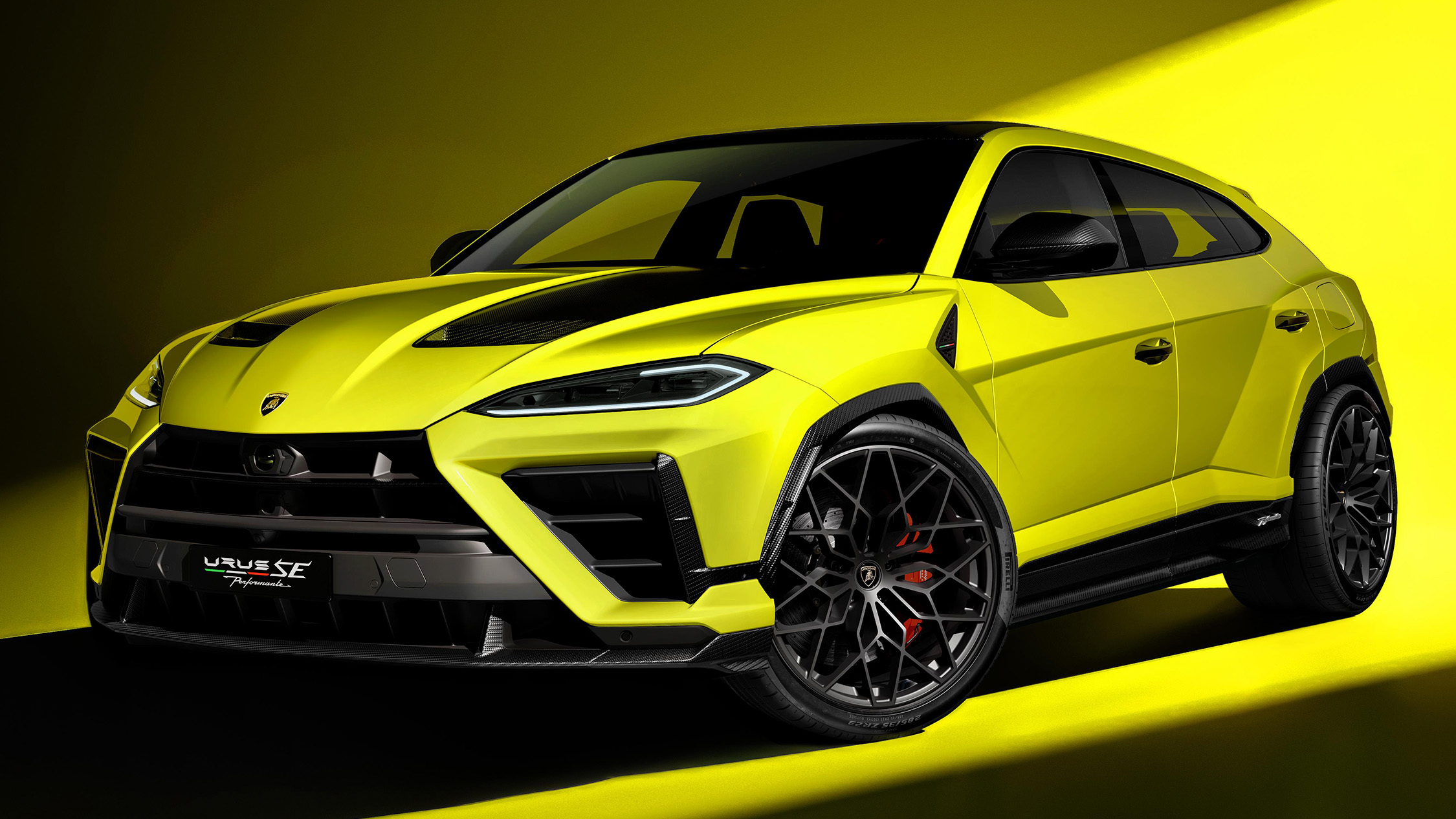
800 Horsepower, One Ton of Doubt
Lamborghini built the most powerful SUV it's ever made. It's also slower than what it replaced.

£11,990 Draws a Line Under Every Excuse You Had Left
Dacia just made the cheapest new car in Britain electric — and that's not a footnote, it's a verdict.
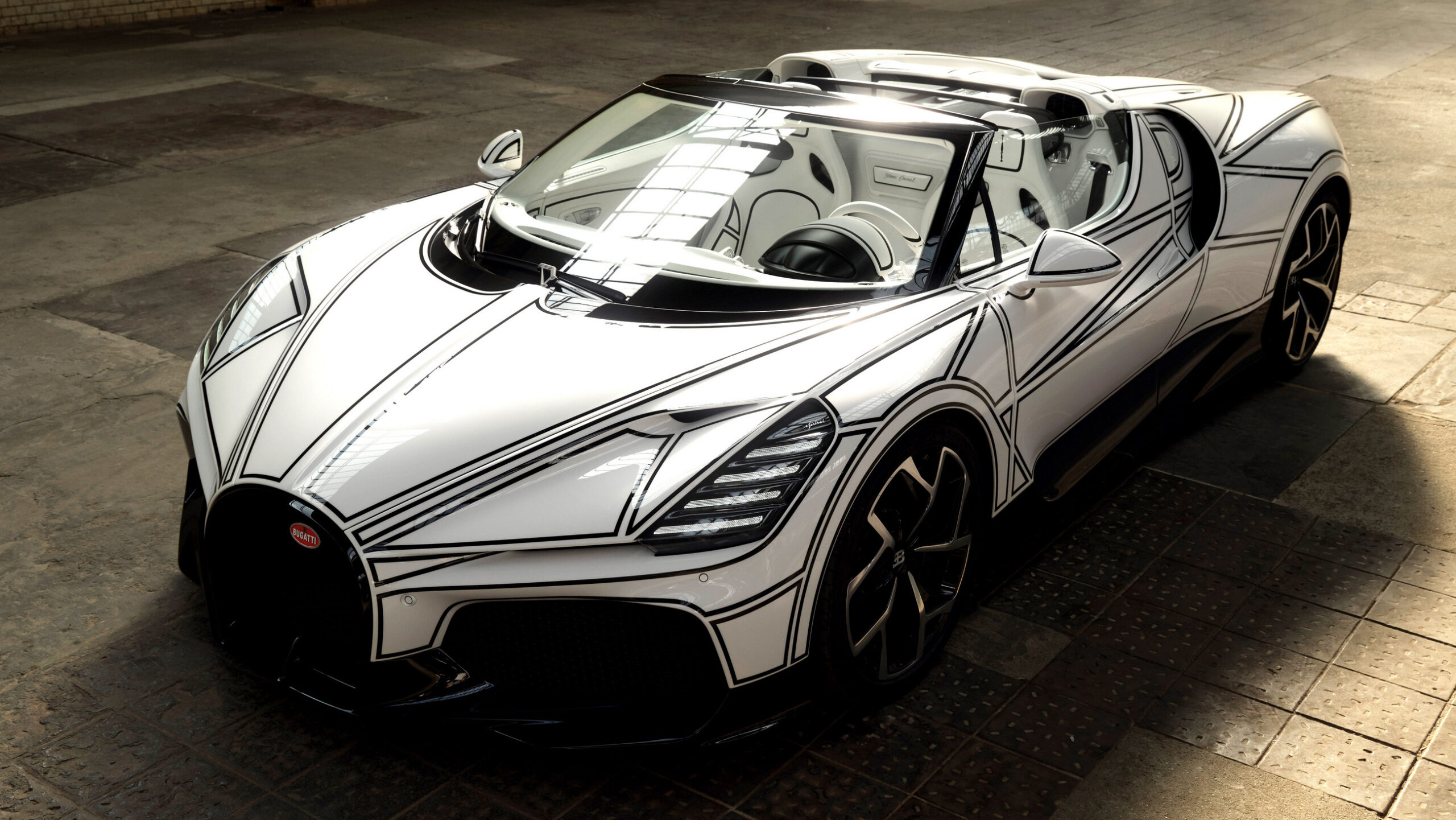
Blanc Éternel Hides Its Speed Behind a Gas Cap
Bugatti built a 261-mph roadster and made sure you'd notice the porcelain first.
From the other desks.

Gold Leaf on a Lacquer Dial, and the Weight of What That Costs
Awake's Frosted Leaf Royal Blue asks a question Vietnamese craft has never quite had to answer at this price.

ESPN Named Him. Then Unnamed Him. Nobody's Explaining the Gap.
A retraction without a reckoning is just a deleted link.

Hide My Email Has Been Showing Your Email
Apple's privacy flagship has a hole in it. They've known for over a year.