Apple Built the Future and Forgot to Staff It
The Vision Pro didn't fail because the technology wasn't ready — it failed because the people selling it weren't either, and that's a decade of decisions catching up at once.
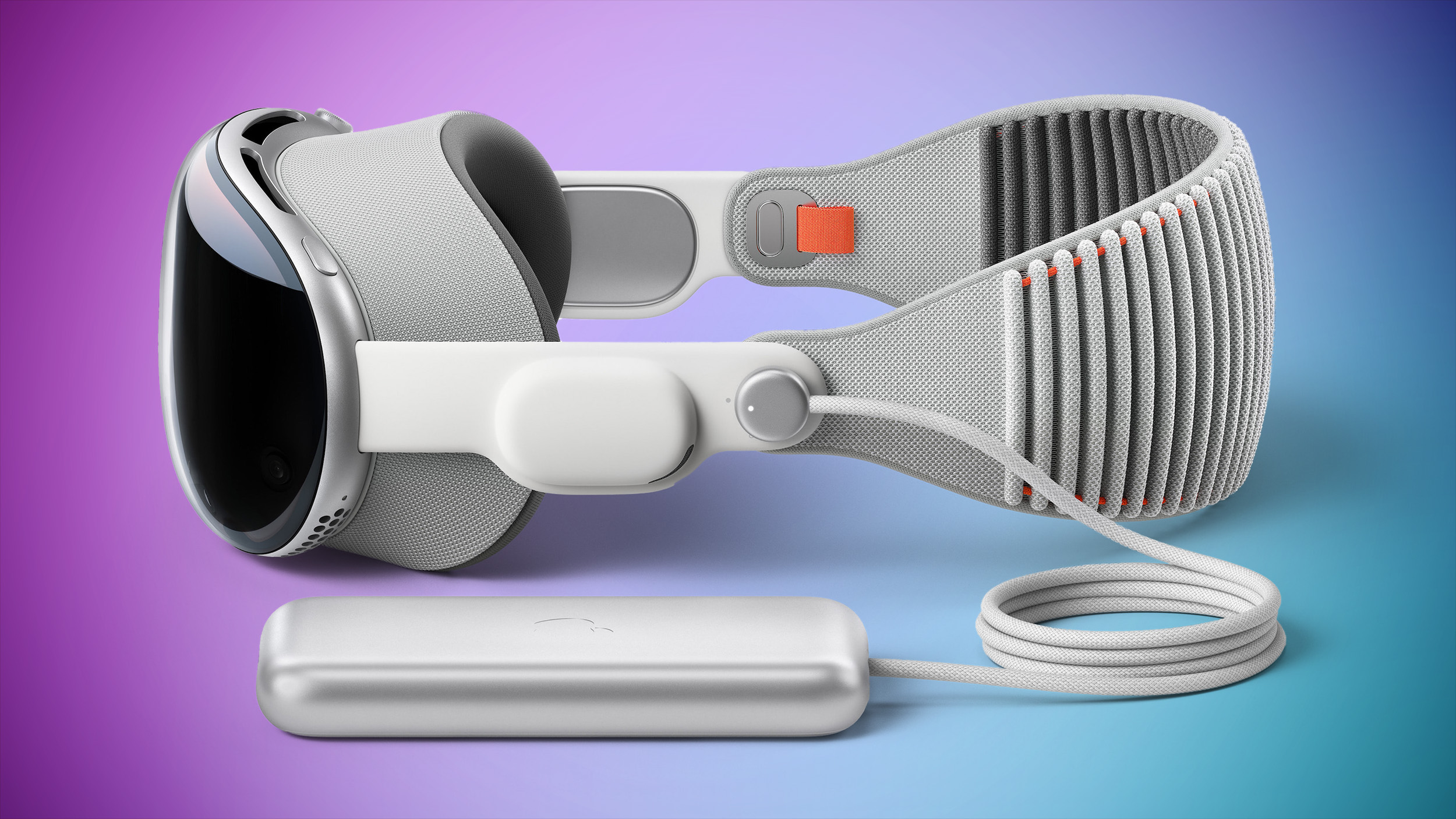
There's a version of the Vision Pro story where the product was simply too early, too expensive, too strange for the market to absorb. That version is convenient. It lets Apple off the hook cleanly — visionaries ahead of their time, seeds planted for the next cycle. It's also incomplete.
The harder story is about what happens when a company spends years quietly dismantling the thing that used to make it different, then asks that thing to carry a $3,500 bet on the future.
The Demo Was the Product
With the Vision Pro, Apple wasn't selling specs. You cannot explain spatial computing in a sentence. You cannot photograph it and post it and have someone understand what they're looking at. The entire value proposition lived inside the experience of putting it on — and that experience had to be delivered by a person, in a store, in real time.
That made the demo the product. Not a support function. Not a sales step. The demo was the thing Apple needed to land.
Which means the people running those demos weren't just retail staff. They were, functionally, the launch.
What a Decade of Erosion Looks Like
Apple retail was once genuinely remarkable — not because of the glass staircases or the way the light hits reclaimed wood, but because the staff knew things and cared about knowing them. There was a culture there, early on, of people who were into it. Who had opinions. Who could hold a conversation about the product that went somewhere.
That culture doesn't disappear overnight. It erodes. Slowly enough that you can explain each individual decision as reasonable — tighter budgets, leaner teams, metrics that reward transaction speed over depth of engagement. Each one defensible on its own. Together, they hollow something out.
By the time Apple needed its retail force to do the most demanding thing it had ever asked of them — to guide a skeptical, curious, slightly nervous customer through a completely new category of computing experience — it had spent years optimizing for something else entirely.
The Cupertino Trip
Apple knew the demo mattered. The lengths they went to for training prove it — flying hundreds of employees out, confiscating phones, requiring NDAs, engineering the whole thing so that staff at different stages of the program couldn't compare notes and blunt the novelty of the reveal.
All of that effort, and what it mostly reveals is a company that understood the stakes of the moment and still couldn't close the gap between the product it had built and the workforce it had left to sell it.
You can feel the tension in that. The theatrical secrecy of Cupertino, the carefully orchestrated experience — and then those same employees returning to stores that had been staffed down, trained less, pushed toward numbers over narrative. The gap between those two realities is where the Vision Pro launch went quiet.
The Thing Worth Sitting With
This isn't really a story about one product. It's a story about what companies sacrifice when they treat the people closest to their customers as a cost to be managed rather than a capability to be built.
Apple made something genuinely extraordinary with the Vision Pro. The engineering is not in question. But extraordinary products don't sell themselves — they need people who understand them well enough to make someone else feel what's possible. That takes time, investment, and a culture that values depth.
Strip that away gradually enough and you won't notice it's gone until the moment you need it most.
Apple needed it in February 2024. It wasn't there.
Keep reading tech.

Hide My Email Has Been Showing Your Email
Apple's privacy flagship has a hole in it. They've known for over a year.

Sony Killed the Disc. Sony Is Also Killing the Store.
Two announcements, one company, and a quiet admission that "ownership" was always their word to define.
Apple Went to the Highest Court It Could Find. That Tells You Everything.
When a contempt ruling sends you to the Supreme Court, you're not defending a policy anymore — you're defending a worldview.
From the other desks.

800 Horsepower, One Ton of Doubt
Lamborghini built the most powerful SUV it's ever made. It's also slower than what it replaced.

Gold Leaf on a Lacquer Dial, and the Weight of What That Costs
Awake's Frosted Leaf Royal Blue asks a question Vietnamese craft has never quite had to answer at this price.

ESPN Named Him. Then Unnamed Him. Nobody's Explaining the Gap.
A retraction without a reckoning is just a deleted link.