Gasoline Powers the Generator. The Generator Powers Everything Else.
Nissan's e-POWER system isn't a compromise between an EV and a hybrid — it's an argument that the whole debate was wrong.

Photo · Latest Content - Autoweek
There's an engine under the hood of the 2027 Nissan Rogue e-POWER. It just doesn't drive the wheels.
That one sentence is either deeply confusing or immediately clarifying, depending on how you've been paying attention to this industry. Nissan is calling the e-POWER system a series hybrid — meaning the gasoline engine exists solely to generate electricity, and the electric motor does all the actual driving. No direct mechanical link between combustion and pavement. The wheels only ever feel electrons.
What that means in practice, according to a writer at Motor1 who drove a prototype: it moves like an EV. The throttle response, the linearity, the absence of that familiar hesitation when a conventional hybrid decides which mode it's in — those are gone. One reviewer from Driving noted that the powertrain delivers the driving dynamic of an electric vehicle, which is a sentence worth sitting with, because it's coming attached to a vehicle that doesn't need a charge port or a home charging setup or any of the infrastructure anxiety that has kept millions of buyers on the sidelines.
The Honest Machine
Here's the meta-observation that four separate outlets are dancing around without quite saying it directly: the EV adoption story has been, at least in part, a fantasy about behavior change. Buy the car, change your habits, build the new routine. For a lot of buyers, it hasn't worked — not because the cars are bad, but because the ask is real and the infrastructure isn't always there to meet it.
The e-POWER system doesn't ask you to change anything. You still fill it with gas. The engine still runs. But the experience at the wheel — the smoothness, the quiet, the instant torque — is the thing EV advocates have been promising would convert everyone. Nissan has figured out how to deliver that experience without requiring the conviction.
Autoweek described the system as smooth and quiet, and made the commercial point plainly: it'll sell better than a full EV. That's not a knock. That's the market telling you something true about itself.
What's Actually New Here
The 2027 Rogue is not the first vehicle to use Nissan's e-POWER technology, but it is the first time this powertrain is arriving in the Rogue — one of the brand's most significant nameplates in North America. That context matters. This isn't a concept or a halo product. It's a mainstream family SUV with a powertrain that, until now, you'd only find in vehicles that didn't reach this market.
The Motor1 prototype drive flagged meaningful changes beyond just the powertrain, though the full picture of the production vehicle is still forming. What's clear is that Nissan is treating this as a genuine platform moment — not a trim level, not a badge. The Driving review called it the launch of a new powertrain technology, full stop.
That framing is worth taking seriously. The industry has been arguing for years about whether the future is hybrid or electric, as if it had to be one or the other, as if the engineering was the variable that mattered most. The Rogue e-POWER suggests the real variable was always friction — the gap between what people want to experience behind the wheel and what they're willing to reorganize their lives around.
An engine that never touches the road. A drive that feels like it might.
Somewhere in that contradiction is the most honest thing a car company has said about its customers in years.
Keep reading cars.

800 Horsepower, One Ton of Doubt
Lamborghini built the most powerful SUV it's ever made. It's also slower than what it replaced.

£11,990 Draws a Line Under Every Excuse You Had Left
Dacia just made the cheapest new car in Britain electric — and that's not a footnote, it's a verdict.
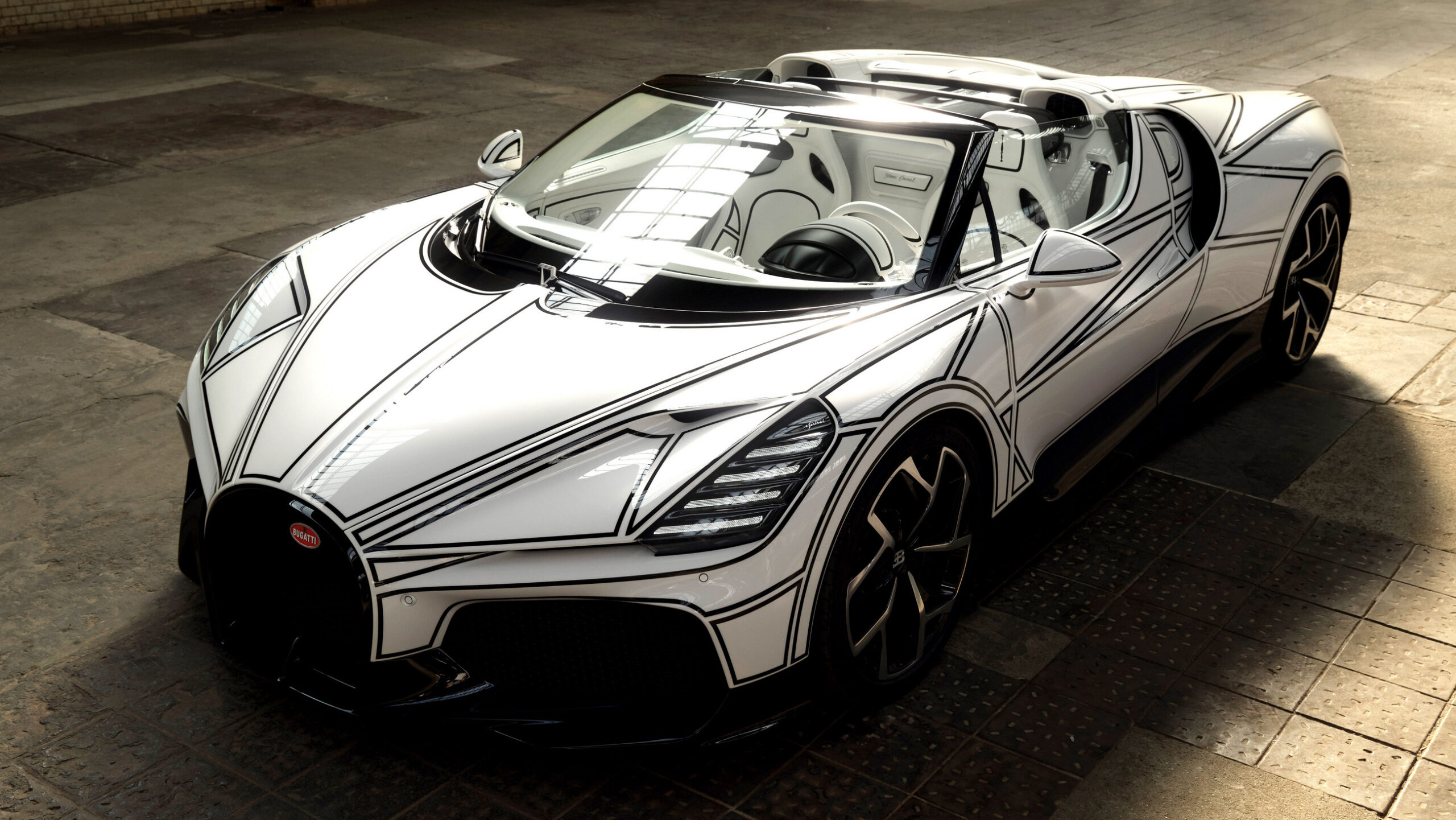
Blanc Éternel Hides Its Speed Behind a Gas Cap
Bugatti built a 261-mph roadster and made sure you'd notice the porcelain first.
From the other desks.

Gold Leaf on a Lacquer Dial, and the Weight of What That Costs
Awake's Frosted Leaf Royal Blue asks a question Vietnamese craft has never quite had to answer at this price.

ESPN Named Him. Then Unnamed Him. Nobody's Explaining the Gap.
A retraction without a reckoning is just a deleted link.

Hide My Email Has Been Showing Your Email
Apple's privacy flagship has a hole in it. They've known for over a year.