Same Badge, Different Country, Double the Price
Hyundai sells a newer, sharper Venue in India for roughly half of what Americans pay for the older one — and calls it the same brand.
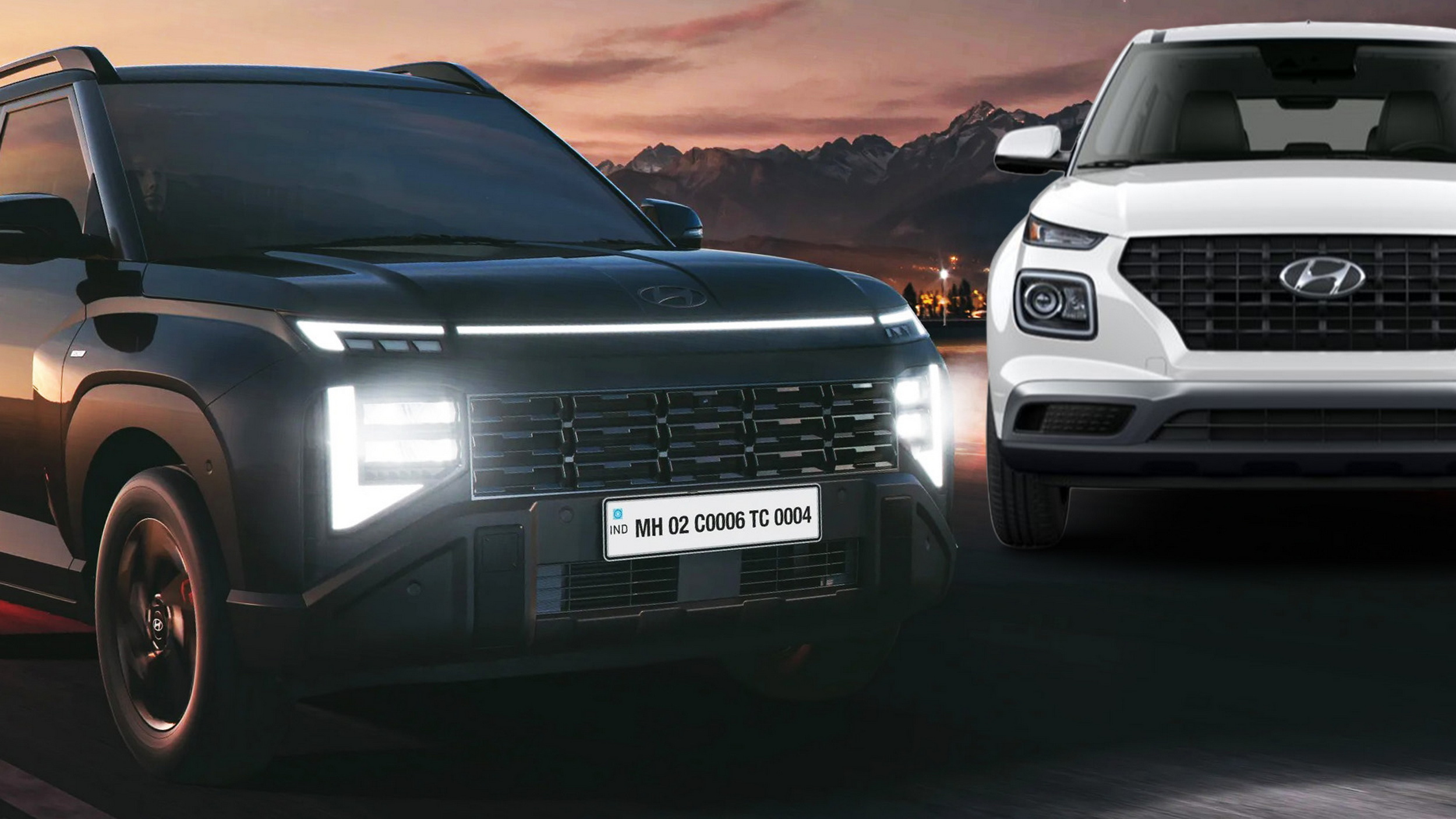
Photo · Carscoops
There's a version of the Hyundai Venue that costs around $10,000. It's the newer one. The one with the fresher sheetmetal, the more evolved design. It's the second generation. Americans are paying around $21,000 for the first.
A writer at Carscoops looked at both and arrived at the obvious, uncomfortable conclusion: the Indian Venue looks like the better car and costs half as much. The piece doesn't editorialize much beyond the headline, but it doesn't need to. The numbers do the work.
What interests me isn't the gap itself — it's how ordinary it is. Nobody at Hyundai is embarrassed. No press release will acknowledge it. The American buyer won't be told they're getting the older model while another market moves forward. They'll just be sold on trim levels and financing options and maybe a complimentary first service, and the transaction will close, and that'll be that.
The Market Doesn't Lie, But It Doesn't Have To Tell the Truth Either
The Venue is a subcompact SUV — a segment that exists almost entirely because people need something they can afford. That's the whole population it's built for. And in India, Hyundai is apparently willing to sell them a genuinely new product at a price that reflects that reality. In the US, the calculus is different. The market absorbs $21,000 for a subcompact. So that's what it costs.
You can call this market segmentation. You can call it regional pricing strategy. Those are the polite terms. What it actually is: a demonstration that price reflects what buyers will accept, not what the product is worth. The Venue isn't $21,000 because it costs $21,000 to build and deliver. It's $21,000 because that's where the floor of the American small-SUV market has settled, and Hyundai — like everyone else — will find that floor and stand on it.
The generational gap makes it worse. It's not just that the Indian Venue is cheaper. It's that it's newer. The US is still running the first-gen model while India has moved on. That's not a supply chain issue. That's a choice about where to invest product development attention, and the American buyer — paying more — is getting less of it.
What This Reveals
Carscoops is right to put these two cars next to each other. The comparison isn't really about which one you'd rather drive. It's about the fiction we accept when we talk about car pricing.
We treat sticker prices like they're tethered to something — materials, engineering hours, shipping costs, some honest accounting of what the thing is. They're not. They're tethered to the market. And the American market, for reasons having to do with credit availability, consumer psychology, and decades of conditioning, has decided that a subcompact SUV is worth twenty-one thousand dollars. So it is.
The Indian buyer isn't getting a favor. They're in a market where the floor is lower, and the product is priced accordingly. The American buyer isn't being cheated exactly — they're just operating in a system where the ask is higher and the leverage is gone.
What I keep thinking about is the Venue buyer specifically. This isn't a performance car. It's not a status object. It's transportation for someone watching their budget. And that person, in this market, is being handed the older generation of the thing they need, at a price that would buy them the new one somewhere else.
The badge is the same. The math is not.
Keep reading cars.

800 Horsepower, One Ton of Doubt
Lamborghini built the most powerful SUV it's ever made. It's also slower than what it replaced.

£11,990 Draws a Line Under Every Excuse You Had Left
Dacia just made the cheapest new car in Britain electric — and that's not a footnote, it's a verdict.

Blanc Éternel Hides Its Speed Behind a Gas Cap
Bugatti built a 261-mph roadster and made sure you'd notice the porcelain first.
From the other desks.

Gold Leaf on a Lacquer Dial, and the Weight of What That Costs
Awake's Frosted Leaf Royal Blue asks a question Vietnamese craft has never quite had to answer at this price.

ESPN Named Him. Then Unnamed Him. Nobody's Explaining the Gap.
A retraction without a reckoning is just a deleted link.

Hide My Email Has Been Showing Your Email
Apple's privacy flagship has a hole in it. They've known for over a year.