The Watch That Knows It Doesn't Need to Explain Itself
At Watches & Wonders 2026, Vacheron Constantin didn't chase a single story — and that restraint turned out to be the most interesting thing in the room.
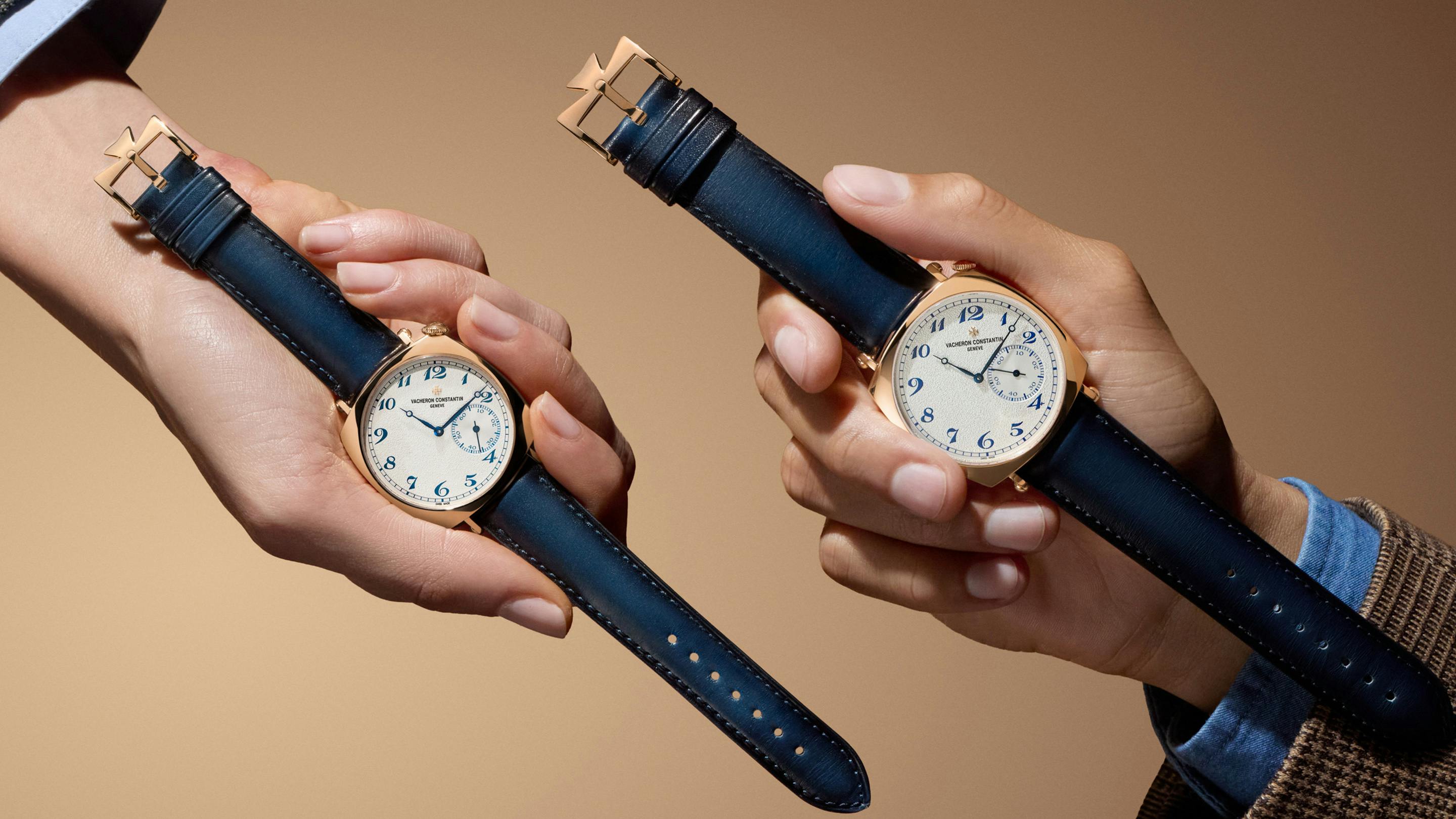
Photo · Hodinkee
The Room Gets Quiet
There's a particular kind of confidence that doesn't announce itself. You recognize it the way you recognize good tailoring — not because it's loud, but because nothing about it is trying. You're across the room and something just reads differently. That's what Vacheron Constantin brought to Watches & Wonders 2026, and if you weren't paying attention, you might have missed it entirely.
The brand arrived with a lineup that sprawled across almost comically different registers. Ancient civilizations rendered in enamel and marquetry, limited to fifteen pieces each. A sports watch stripped down to hours and minutes inside a movement described by one reviewer at Escapement Magazine as "incredibly complex" — the kind of sentence that sounds like a contradiction until you understand that restraint at the dial level often demands more engineering, not less. A directional timepiece with a four-watch collection that traces back to a prototype carried on an Everest climb in 2019, according to SJX Watches. And then the American 1921 — that tilted dial, that unhurried geometry — returning in two new pink gold versions with fresh dials, as Hodinkee reported, as if the house simply wanted to remind you it had been doing this kind of thing for a very long time.
Four directions at once. Which, if you think about it, is exactly what the Overseas Dual Time "Cardinal Points" is named for.
Two Audiences, One Bet
Watch journalism tends to sort releases into buckets. The complication crowd wants to know about the movement. The narrative crowd wants to know about the story. Vacheron, at least this year, seemed almost deliberately uninterested in choosing.
The Métiers d'Art Tribute to Great Civilisations pieces — inspired by masterpieces held at the Louvre, built around the Calibre 2460 G4/2 with peripheral displays specifically engineered to clear the dial for decorative work, limited to fifteen examples each — are objects aimed squarely at someone who thinks of a watch the way they think of a painting. The movement is a vehicle for the surface. The complication is almost beside the point.
The Overseas Self-Winding Ultra-Thin is almost the philosophical opposite. According to Escapement Magazine, it shows only hours and minutes. The Calibre 2550 inside is where all the ambition lives — invisible, self-contained, demanding. This is the watch for the person who finds ostentation in restraint, who understands that "fewer functions" can mean more work, not less. It is, in a word, austere. And austerity, done right, is its own kind of narrative.
What's interesting isn't that Vacheron made both. It's that they released them in the same week, in the same room, under the same name, without apparent anxiety about the contradiction.
What the Coverage Keeps Circling
Read the sources together and a pattern emerges that no single piece quite names. Every outlet found something worth writing about. Some went long on the Louvre connection, on the craftsmanship, on the cultural weight of turning ancient artifacts into wearable miniatures. Others focused on the Overseas lineage, on the sports watch category, on how this collection fits against competitors. Revolution Watch noted the presence of figures from within the maison itself, grounding the releases in the people behind them. SJX traced the Dual Time back to its mountaineering origins. Each piece pulled a different thread.
Which means the real story isn't any one release. It's that Vacheron showed up in 2026 with something for almost every kind of attention — and trusted that the right people would find the right thing.
There's a lesson in that. Not just for watchmakers.
The Thing That Actually Moves
I keep coming back to the Ultra-Thin. Not because it's the most dramatic piece in the lineup — it clearly isn't. But because the decision to build something that complex in order to show so little feels like a statement about values that most brands can't afford to make. The Métiers d'Art pieces are extraordinary objects, but they're also legible. You can point to them and explain why they matter. The Ultra-Thin requires a different kind of faith. You have to already believe that what's hidden can be more significant than what's displayed.
The American 1921 in pink gold is, by contrast, warmly familiar. A beloved silhouette in new metal, new dials. It doesn't need to argue for itself. Hodinkee covered it with the tone of something being welcomed back rather than introduced — and that's exactly right.
But the Overseas Ultra-Thin is the bet. It's the piece that says: we know who we are, we know who you are, and we're not going to explain the joke. The movement is founded on a maison that has been making watches since 1755, according to Escapement Magazine — and that kind of longevity doesn't make a brand arrogant so much as it makes them patient. Patient enough to build complexity you'll never see. Patient enough to let the dial stay empty.
The question that lingers after a lineup like this isn't which watch is best. It's which one you reach for, and what that says about what you actually value — not what you think you're supposed to.
Keep reading fashion.

Gold Leaf on a Lacquer Dial, and the Weight of What That Costs
Awake's Frosted Leaf Royal Blue asks a question Vietnamese craft has never quite had to answer at this price.

Kyle Smith Has a Job Title That Didn't Exist Before. That's the Whole Tell.
When the NFL hires a fashion editor, it's not about clothes — it's about who gets to decide what matters.
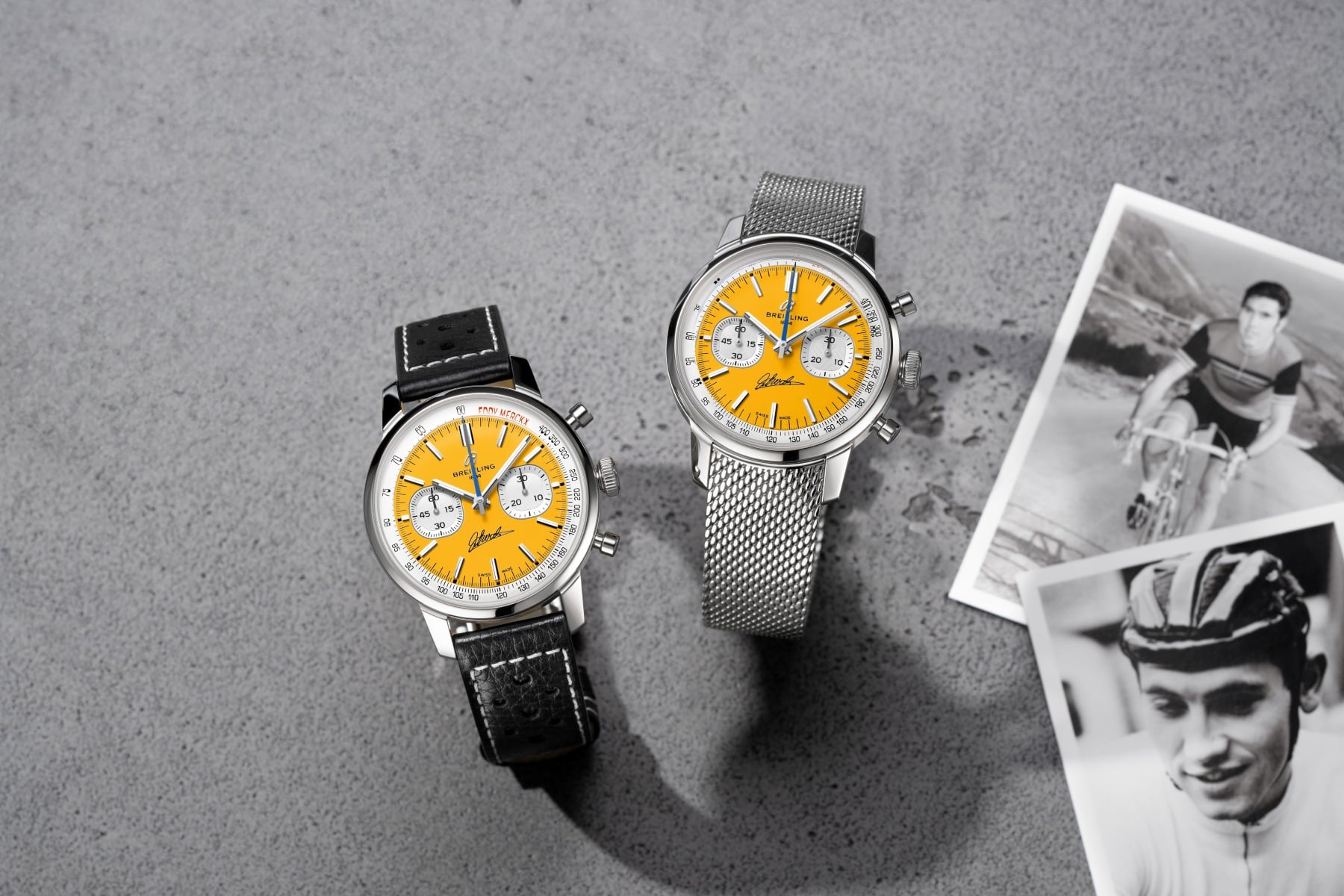
525 Victories, One Dial, and Cycling's Long Wait for a Wrist
Breitling's Eddy Merckx edition doesn't just reference a legend — it asks whether motorsport's younger sibling has finally earned its place in serious watch culture.
From the other desks.

800 Horsepower, One Ton of Doubt
Lamborghini built the most powerful SUV it's ever made. It's also slower than what it replaced.

ESPN Named Him. Then Unnamed Him. Nobody's Explaining the Gap.
A retraction without a reckoning is just a deleted link.

Hide My Email Has Been Showing Your Email
Apple's privacy flagship has a hole in it. They've known for over a year.