Skate Culture Stopped Knocking and Walked Through the Front Door
Palace, Nike, and England didn't blur the line between subculture and national institution — they confirmed it no longer exists.

Photo · WWD
There's a version of this story where a skate brand doing a national team kit feels like a provocation. A raised eyebrow from Wembley. A memo nobody sent. That version is out of date.
When Palace, Nike, and the England national team announced their capsule together — pre-match kits, lifestyle pieces, the whole thing — the coverage treated it as a natural progression. And that, more than the clothes themselves, is what's worth sitting with.
The Permission Nobody Had to Grant
The collaboration, which WWD covered as part of Nike's x2 series, lands ahead of the World Cup. Pre-match kits and lifestyle pieces, built around the Three Lions. Palace's name on infrastructure that, not long ago, would have been reserved for brands with a certain kind of corporate seriousness — sportswear giants, technical partners, the kind of names that appear on stadium hoardings without irony.
Palace is not that. Palace came from somewhere specific, and it never pretended otherwise. That specificity is exactly why it works here — and why the collaboration signals something larger than a limited drop.
Subculture aesthetics used to earn their way into mainstream sports slowly, through the back door: a collaboration with a mid-tier athlete, a capsule buried in a seasonal catalogue, some plausible deniability. What's happened instead is that the door just stopped being locked. The FA isn't slumming it. Nike isn't hedging. There's no asterisk on the England badge.
That's new. Or at least, it's newly undeniable.
The Default Has Shifted
For years, the conversation around streetwear and high sport went like this: subculture borrows the language of athletic institutions — the crests, the typefaces, the nylon — and recontextualizes it as something knowing and cool. The institutions, for their part, occasionally glanced sideways and licensed something carefully.
The Palace x Nike x England drop suggests that relationship has fully inverted. Skate culture isn't borrowing the aesthetic of national team infrastructure anymore. National team infrastructure is borrowing the credibility of skate culture. The Three Lions gains something from Palace's name on the tag — not the other way around.
This is what maturity looks like for a subculture: not absorption, but authorship. Palace isn't being absorbed into England's brand. It's co-signing it.
The timing sharpens the point. A World Cup window is not a moment for experimentation. Brands don't take risks with the biggest audience the sport produces. If Palace is in that window, it's because the calculation has been made that Palace belongs there — that its presence signals quality rather than diluting it.
That's a long way from the margins.
Where this goes next is the interesting question. Once subculture becomes the default register for mainstream sports — not the alternative, not the limited-edition gesture, but the actual language of the thing — what does the counterculture reach for? The cycle always reasserts itself. But for now, the collaboration sits where it sits: authoritative, considered, and completely unsurprised by itself.
That self-assurance is probably the most Palace thing about it.
Keep reading fashion.
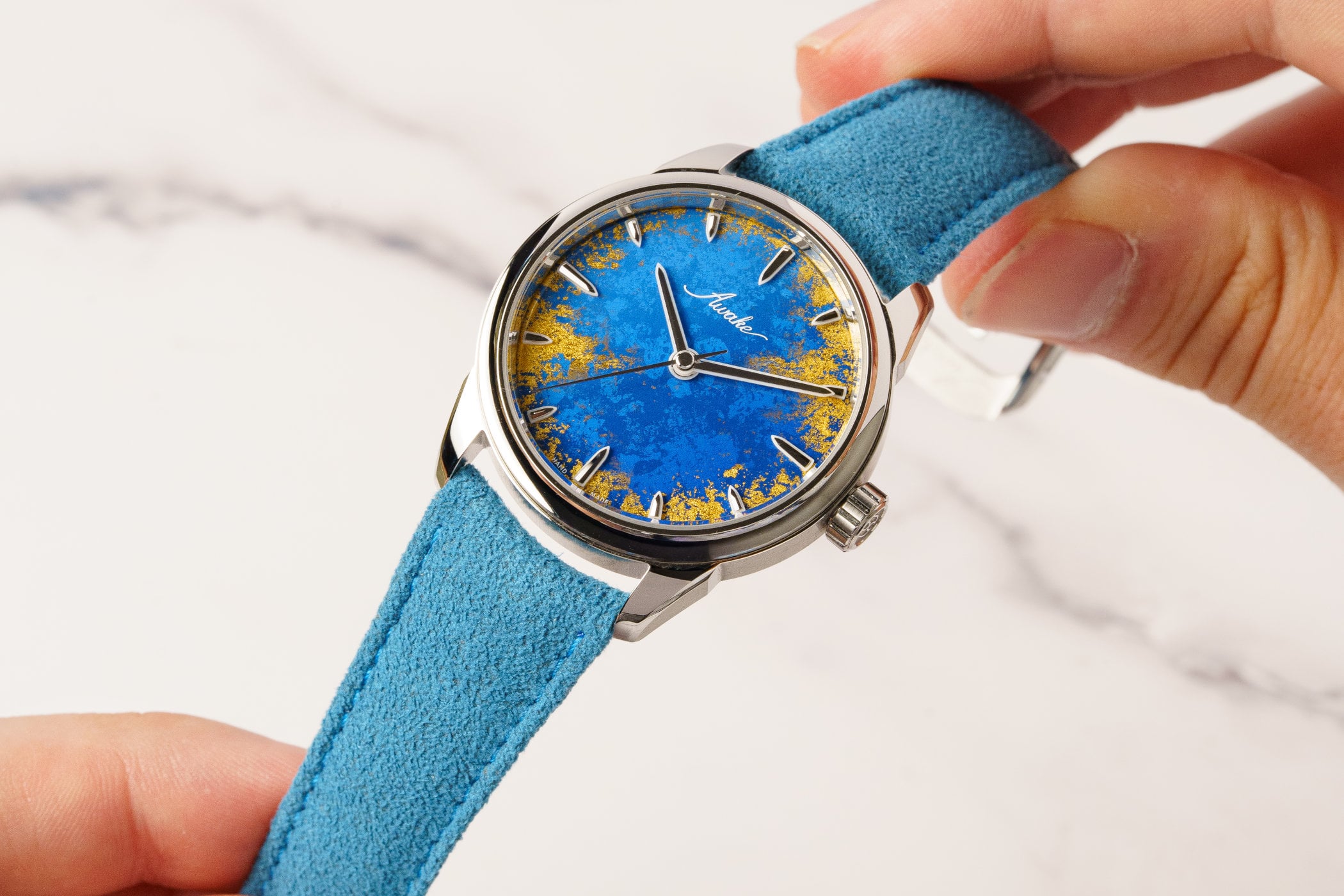
Gold Leaf on a Lacquer Dial, and the Weight of What That Costs
Awake's Frosted Leaf Royal Blue asks a question Vietnamese craft has never quite had to answer at this price.
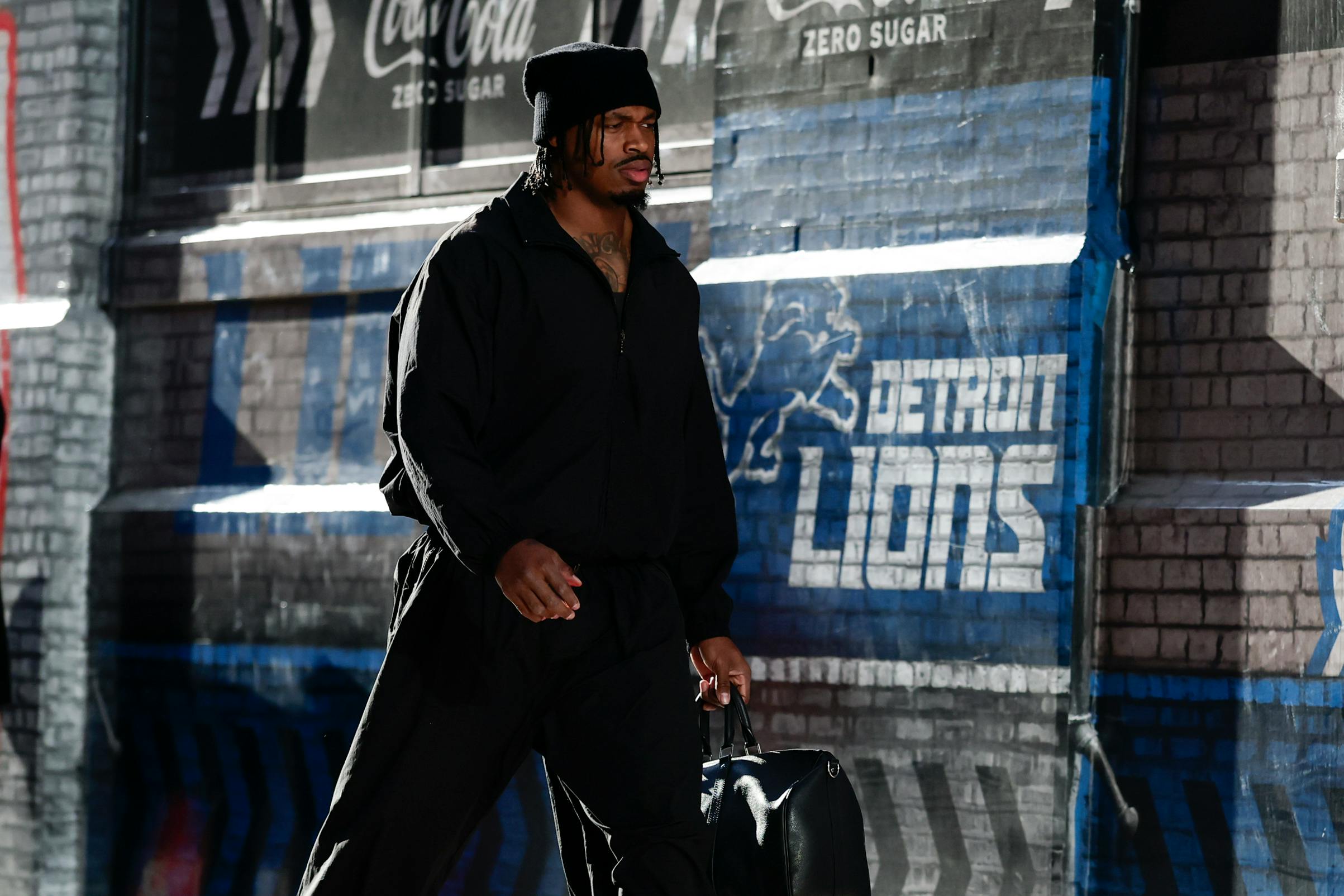
Kyle Smith Has a Job Title That Didn't Exist Before. That's the Whole Tell.
When the NFL hires a fashion editor, it's not about clothes — it's about who gets to decide what matters.
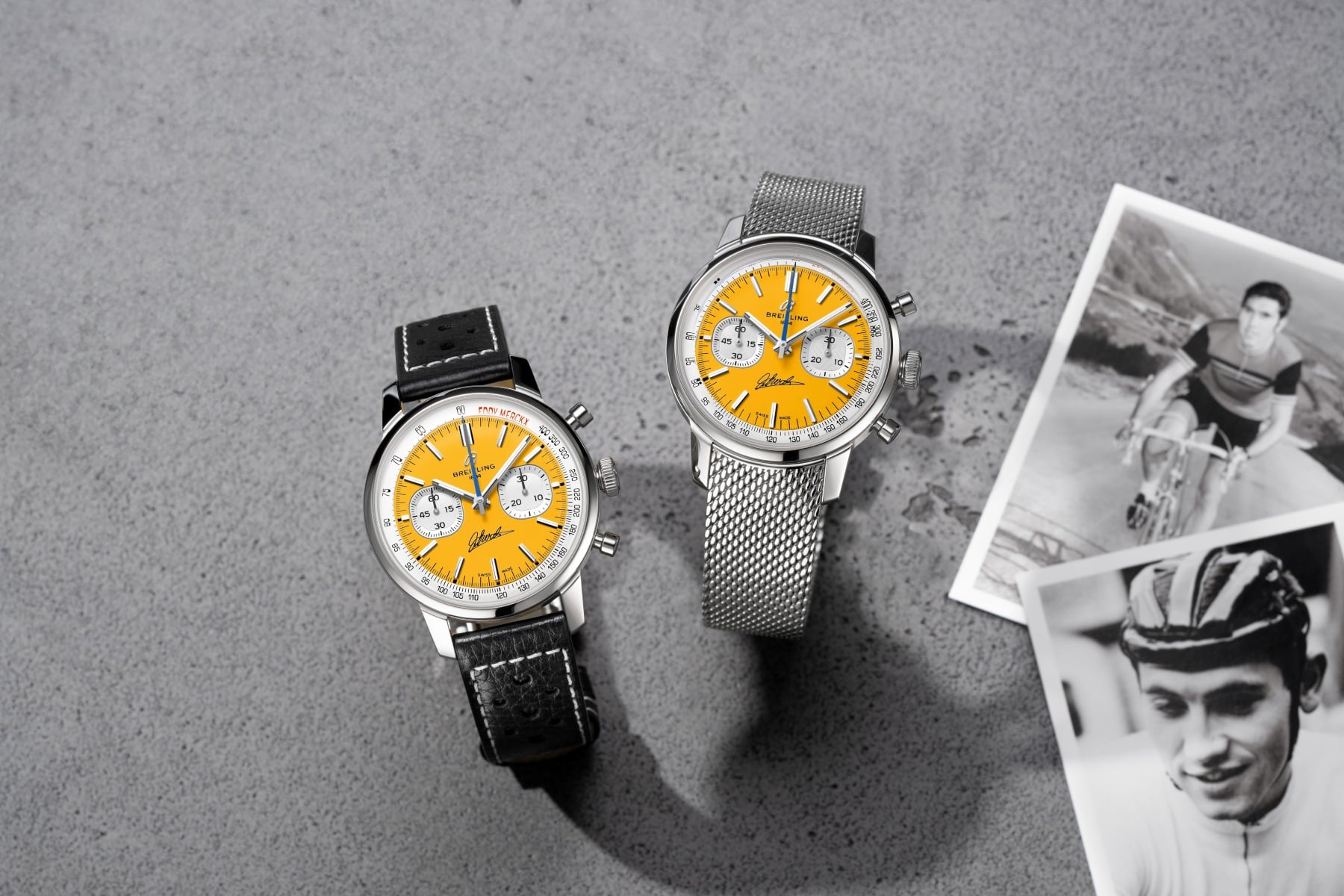
525 Victories, One Dial, and Cycling's Long Wait for a Wrist
Breitling's Eddy Merckx edition doesn't just reference a legend — it asks whether motorsport's younger sibling has finally earned its place in serious watch culture.
From the other desks.
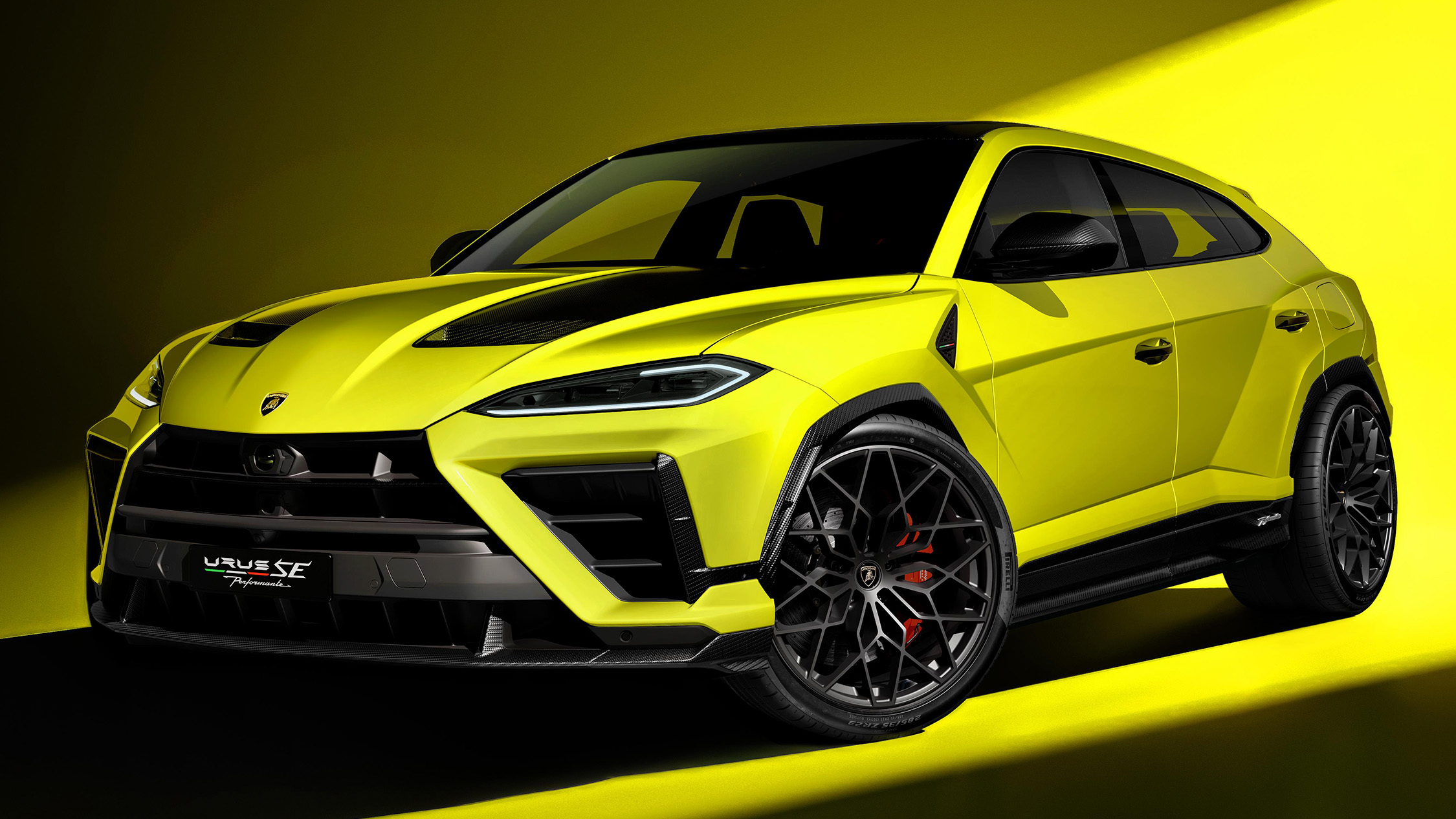
800 Horsepower, One Ton of Doubt
Lamborghini built the most powerful SUV it's ever made. It's also slower than what it replaced.
ESPN Named Him. Then Unnamed Him. Nobody's Explaining the Gap.
A retraction without a reckoning is just a deleted link.
Hide My Email Has Been Showing Your Email
Apple's privacy flagship has a hole in it. They've known for over a year.