Pittsburgh Opened Its Doors. Nobody Booked a Room.
The NFL Draft came to the Steel City with full ceremony and half-empty hotels — and the gap between those two things says everything.
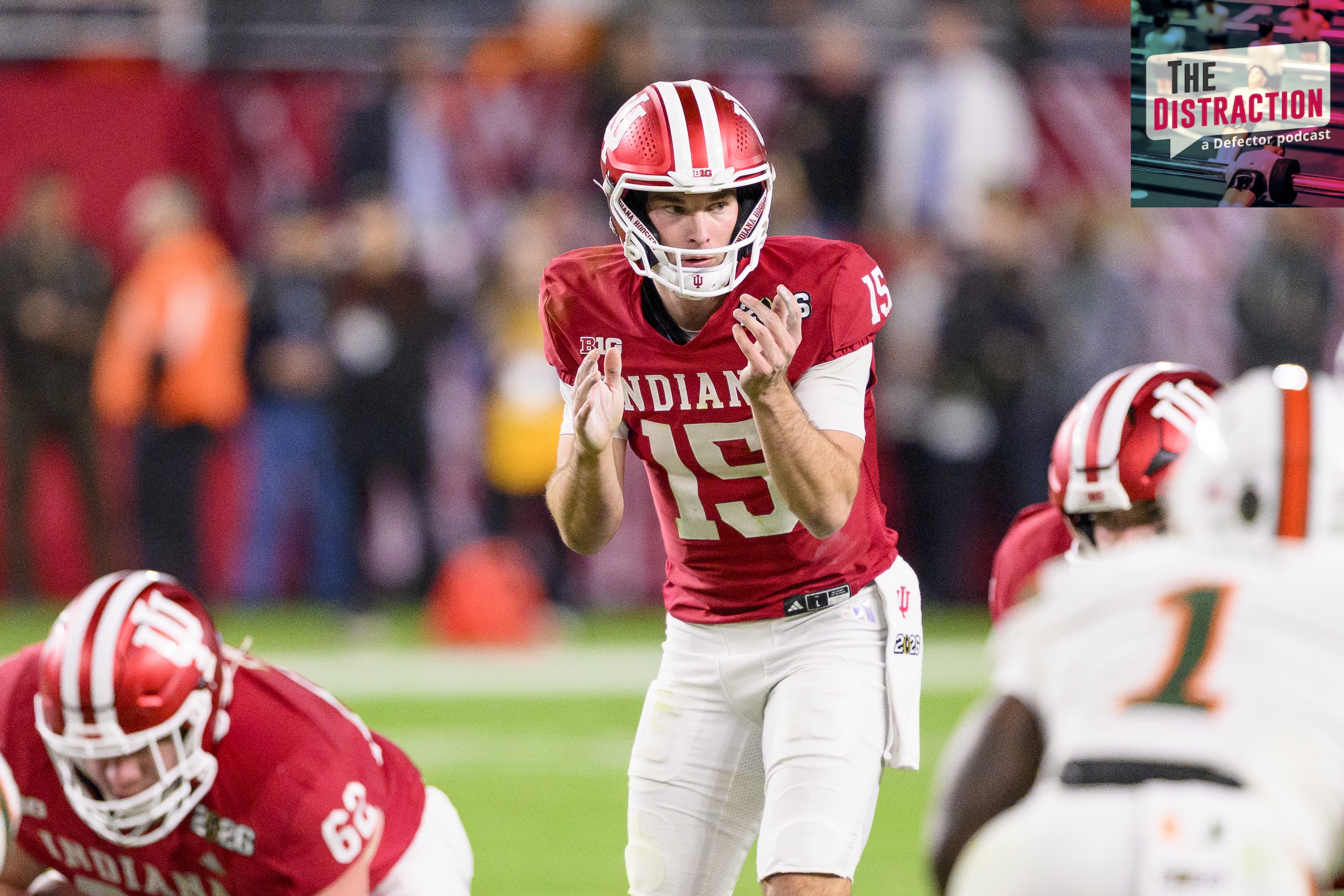
Photo · Defector
There's a particular kind of failure that looks successful from a distance. The stages get built. The cameras get positioned. The commissioner walks out to a crowd. And somewhere, in a city that cleared its school calendar for three days to make room for the spectacle, the hotels are sitting at a fraction of their projected occupancy.
That's Pittsburgh this week. That's the NFL Draft in 2025.
The Machine Ran. Nobody Watched.
One writer at Defector put it plainly: no one gives a shit. Airbnb numbers fell short. Hotel rates climbed into four figures per night, and fans in other cities looked at that number and decided their couch was fine. Meanwhile, locals — the people who were supposedly supposed to feel proud and energized by hosting — were watching their kids get shifted to remote learning for three consecutive school days just to make the logistics work. That's not a celebration. That's a city being asked to absorb someone else's party.
The NFL Draft has always been a strange event to commodify. It's a transaction dressed as theater. Teams make personnel decisions, players get their name called, and somewhere between the handshakes and the branded hats there's supposed to be drama worth traveling for. For a while, people bought it. They showed up in Kansas City and Nashville and Las Vegas, and the league looked at those crowds and concluded it had found something.
What it may have found was a moment, not a formula.
When the Analytics Guy Agrees With the Vibes
Over at the same outlet, another piece took a different angle — a podcast conversation with Aaron Schatz, founder of Football Outsiders and now working with the analytics site FTN. The episode was framed around the draft, but ended up spending significant time on the decay of online media and the damage venture capital does to editorial institutions. Schatz had direct experience with that damage, apparently.
What's interesting is what those two pieces, sitting next to each other, accidentally reveal. One is about the NFL's overreach in the physical world — a city hollowed out, a spectacle that didn't travel — and the other is about the media infrastructure that was supposed to sustain the coverage and the conversation around events like this. Both are contracting. The league is discovering that you can't manufacture civic enthusiasm with a stage and a permit. The media is discovering that you can't manufacture sustainable coverage with a term sheet and a rebrand.
The NFL Draft, at its core, is content. It's a multi-day television event that occasionally becomes a destination. When the content machine around it weakens, when the outlets covering it have been hollowed out by bad ownership or collapsed entirely, the whole ecosystem gets quieter. And when it gets quieter, fewer people book flights.
The number one overall pick reportedly had already made his decision before the event began. The suspense was pre-resolved. What remained was ceremony — and ceremony, it turns out, is not worth four figures a night when you can watch it on your phone.
The league built a monument this week. Pittsburgh held the door open. And most people just waited for the picks to post.
Keep reading sports.

ESPN Named Him. Then Unnamed Him. Nobody's Explaining the Gap.
A retraction without a reckoning is just a deleted link.

Three People Died Celebrating. FIFA Hasn't Said Their Names.
Mexico City buried three people after the World Cup crowds came through. At some point, the sport has to sit with that.

Sell the Stadium, Lose the Room
NFL franchises are rolling out the welcome mat for World Cup tourists — and the desperation is showing.
From the other desks.

800 Horsepower, One Ton of Doubt
Lamborghini built the most powerful SUV it's ever made. It's also slower than what it replaced.

Gold Leaf on a Lacquer Dial, and the Weight of What That Costs
Awake's Frosted Leaf Royal Blue asks a question Vietnamese craft has never quite had to answer at this price.

Hide My Email Has Been Showing Your Email
Apple's privacy flagship has a hole in it. They've known for over a year.