The Astronaut Already Knew
Before Maranello figured out where the engine belonged, someone who'd orbited the Earth had already parked the answer in his driveway.
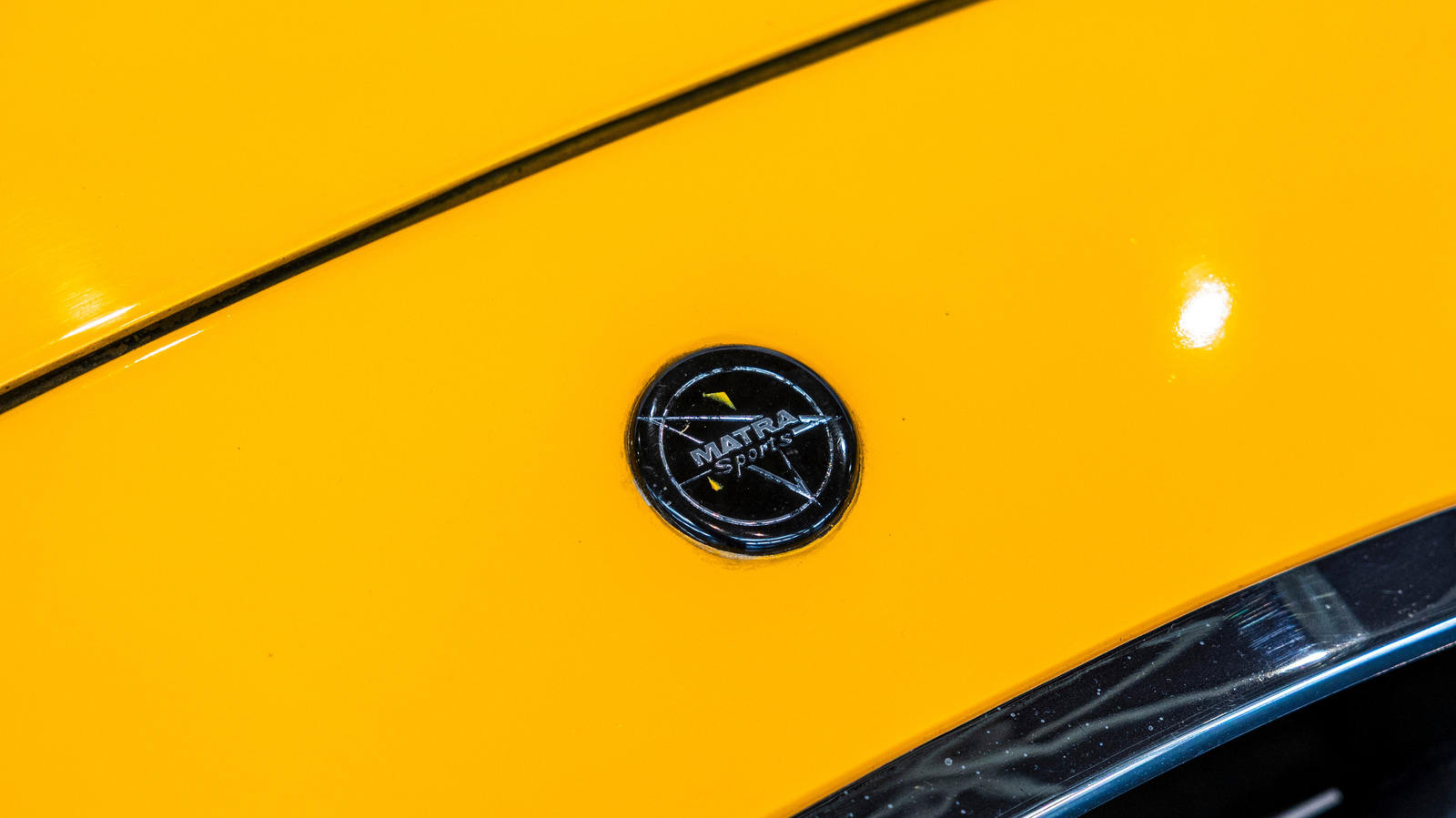
There's a version of automotive history that gets told at dinner parties and in glossy magazines, and it goes like this: Ferrari cracked the mid-engine code, Lamborghini answered back, and the supercar was born. Clean. Heroic. Wrong.
The engine was already behind the driver. Someone already knew.
The Geometry of It
Put the heavy thing in the middle and the car stops fighting you. The weight finds the axles, the axles find the road, the road becomes something you're working with instead of against. It's physics so obvious that once you feel it, you can't unfeel it. Race engineers understood this decades before road car designers were willing to admit it.
The problem with being right too early is that nobody's watching yet.
When the first mid-engined road car arrived — not from a storied Italian house, not from a manufacturer with a racing pedigree people could name — it landed quietly. The press didn't know what to do with it. The public didn't know what to do with it. It was a solution to a problem that most people didn't realize they had.
The Man Who Got It
But one person did.
There's something worth sitting with here: an astronaut — someone who had quite literally left the planet, who understood velocity and trajectory and the relationship between mass and motion in ways most of us never will — looked at this car and recognized it immediately. Not as a curiosity. As a destination.
When you've orbited the Earth, your threshold for what counts as impressive gets recalibrated in ways that are hard to explain to people who haven't done it. The hype doesn't land the same way. The badge means less. What matters is whether the thing actually works.
This one worked. He knew.
What Gets Remembered
Ferrari's mid-engine era is celebrated. Documented. Poster-on-the-wall immortalized. The car that came first — the one that proved the concept before the Italians made it beautiful — lives mostly in footnotes, in the careful collections of people who read the footnotes.
That's not injustice exactly. Beauty counts. Timing counts. Ferrari understood that a correct idea still needs to be sold, and they sold it better than anyone.
But there's a particular kind of satisfaction in knowing the astronaut had already been there. That while the world was still arranging its engines in the wrong place and calling it tradition, one person with the right instincts had already moved on.
The Thing About Being Early
The cars that matter most aren't always the ones that get remembered most. Sometimes the important one is the quiet proof-of-concept, the thing that existed before the market existed for it, bought by someone perceptive enough to see past the moment they were standing in.
That astronaut didn't need the consensus. He'd already been somewhere most people couldn't follow, and he recognized a good idea the same way he probably recognized everything — by its underlying logic, not its reputation.
The engine belongs in the middle. He knew it before Ferrari made it famous.
Some people are just ahead of the orbit.
Keep reading cars.

800 Horsepower, One Ton of Doubt
Lamborghini built the most powerful SUV it's ever made. It's also slower than what it replaced.

£11,990 Draws a Line Under Every Excuse You Had Left
Dacia just made the cheapest new car in Britain electric — and that's not a footnote, it's a verdict.
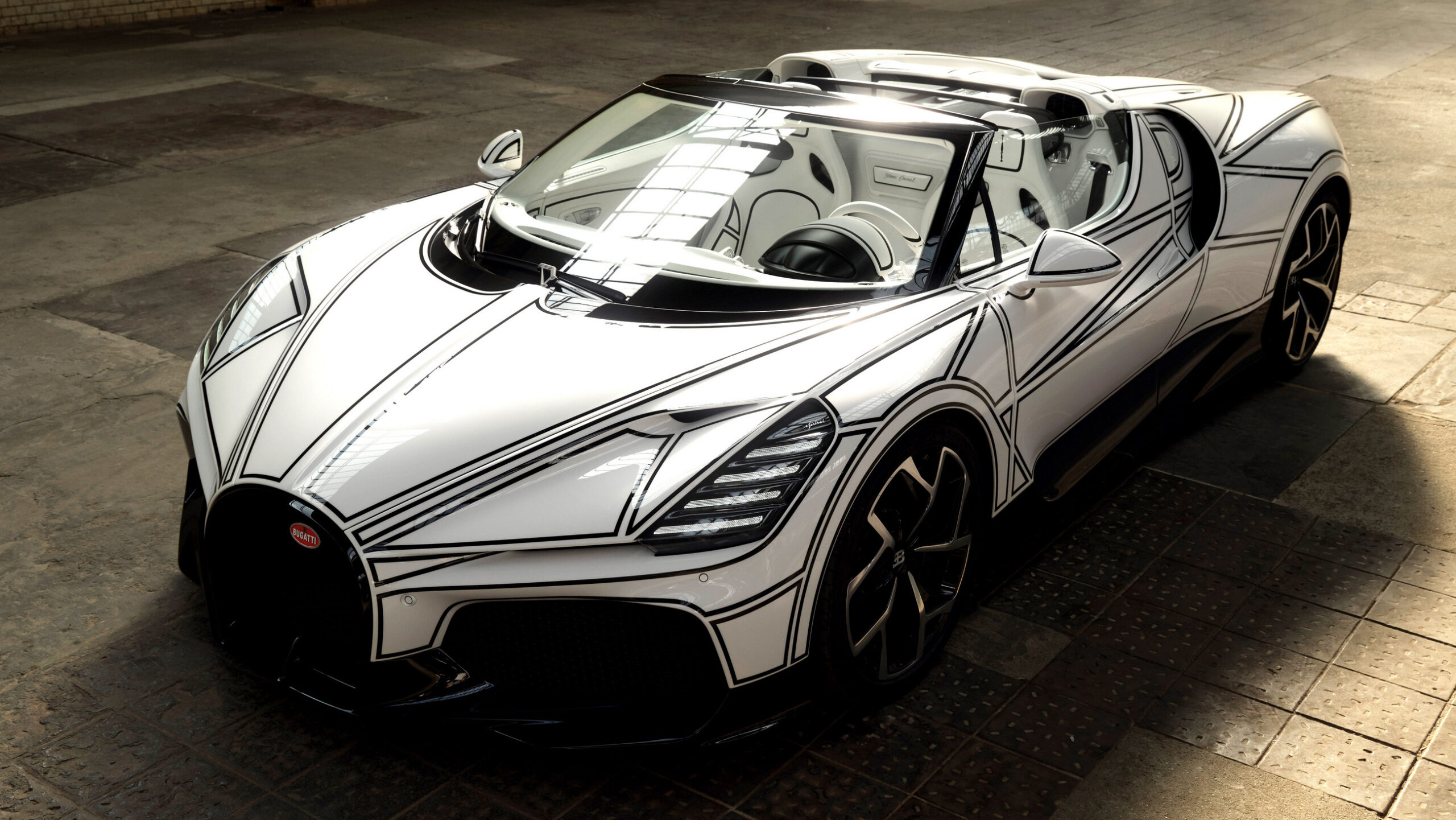
Blanc Éternel Hides Its Speed Behind a Gas Cap
Bugatti built a 261-mph roadster and made sure you'd notice the porcelain first.
From the other desks.

Gold Leaf on a Lacquer Dial, and the Weight of What That Costs
Awake's Frosted Leaf Royal Blue asks a question Vietnamese craft has never quite had to answer at this price.

ESPN Named Him. Then Unnamed Him. Nobody's Explaining the Gap.
A retraction without a reckoning is just a deleted link.

Hide My Email Has Been Showing Your Email
Apple's privacy flagship has a hole in it. They've known for over a year.