Rivian Started Volume Production. Then RJ Scaringe Started Hinting.
The R2 SUV is barely off the line and already the platform is growing — a pickup, a performance variant, and a lidar question that nobody saw coming.
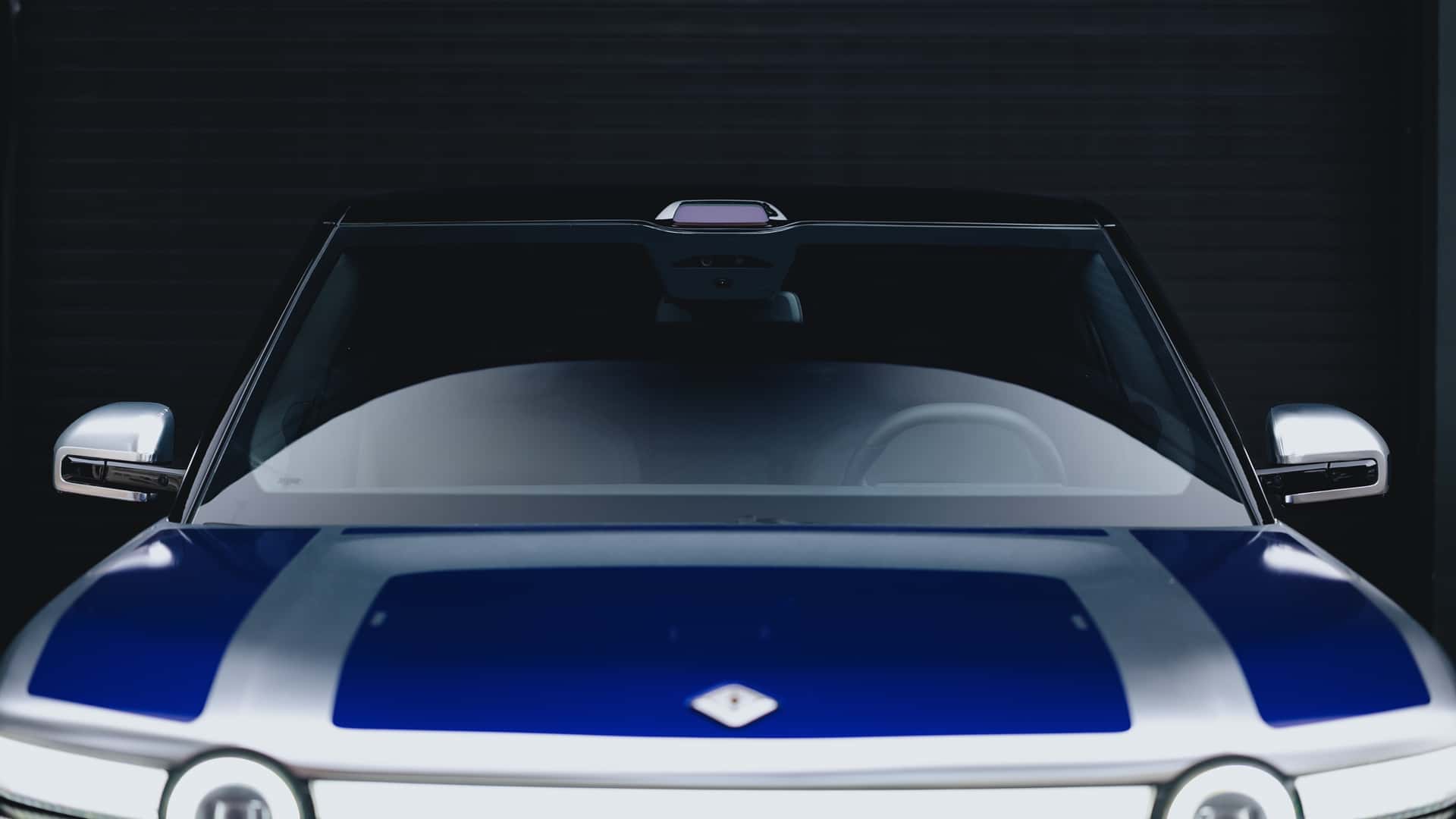
Photo · InsideEVs - Articles
The SUV Was Never the Destination
Volume production just started. The ink on the R2 SUV's three trim levels — announced in March — is barely dry. And already Rivian's CEO is talking about what comes next.
That's either confidence or chaos. Given the source, it reads like the former.
RJ Scaringe, speaking in an exclusive interview with Reuters that Electrek and others quickly picked up, confirmed that undisclosed R2 variants are in development. A pickup truck. Something called the R2X, which carries the unmistakable suggestion of a performance model. Neither fully detailed. Both clearly real enough to say out loud.
Carscoops noted that Rivian's new Georgia plant may support multiple R2 body styles — meaning the factory itself is being designed around the idea of expansion, not just the SUV sitting on showroom floors right now. You don't engineer flexibility into a production facility unless you intend to use it.
This is what a platform strategy looks like when it's working. Not one car, not one customer. A mid-size architecture that can carry a family SUV, a work truck, a track-adjacent variant — all sharing bones, all pulling from the same supply chain logic. The R1 was Rivian proving it could build something extraordinary. The R2 is Rivian proving it can build a business.
The Lidar Wrinkle
Then there's the detail that doesn't fit the clean narrative.
InsideEVs reported that Scaringe is considering partnering with a Chinese company on lidar sensors for the R2 — and that Rivian may build its own lidar in the U.S. Those two things sitting in the same sentence tell you something about the pressure the company is navigating. The cost structure of affordable EVs is brutal, and every component decision carries weight. Sourcing from China is cheap and fast. Building domestically is expensive and slow and, in the current political climate, increasingly necessary to say out loud.
Scaringe didn't resolve that tension. He named it. That's worth paying attention to.
Because the R2's whole proposition — the reason the pickup hint and the R2X hint matter — is that this platform has to work at a price point that the R1 never had to worry about. The R1T and R1S could absorb cost overruns in a way the R2 cannot. If the lidar question doesn't get answered cleanly, it doesn't just affect one sensor. It affects the margin math on every variant Scaringe just hinted at.
Across all four sources covering these comments, nobody pushed hard on that contradiction. The pickup and the performance variant got the headlines. The lidar sourcing question got a paragraph. But in a world where tariffs are reshuffling supply chains in real time and domestic manufacturing is both a political signal and a financial commitment, the component story might be the one that determines whether all those hints ever become metal.
Scaringe is building an expanding universe on a platform that hasn't yet proven it can sustain the weight of the original idea. The hints are good. The geometry is right — a pickup R2 makes obvious sense, and a performance variant proves the platform has range. But the distance between a CEO interview and a production line is where most ambitious EV timelines have gone quiet before.
The R2 SUV is rolling. Everything else is still a hint.
Believe the platform when you can buy the truck.
Keep reading cars.

800 Horsepower, One Ton of Doubt
Lamborghini built the most powerful SUV it's ever made. It's also slower than what it replaced.

£11,990 Draws a Line Under Every Excuse You Had Left
Dacia just made the cheapest new car in Britain electric — and that's not a footnote, it's a verdict.
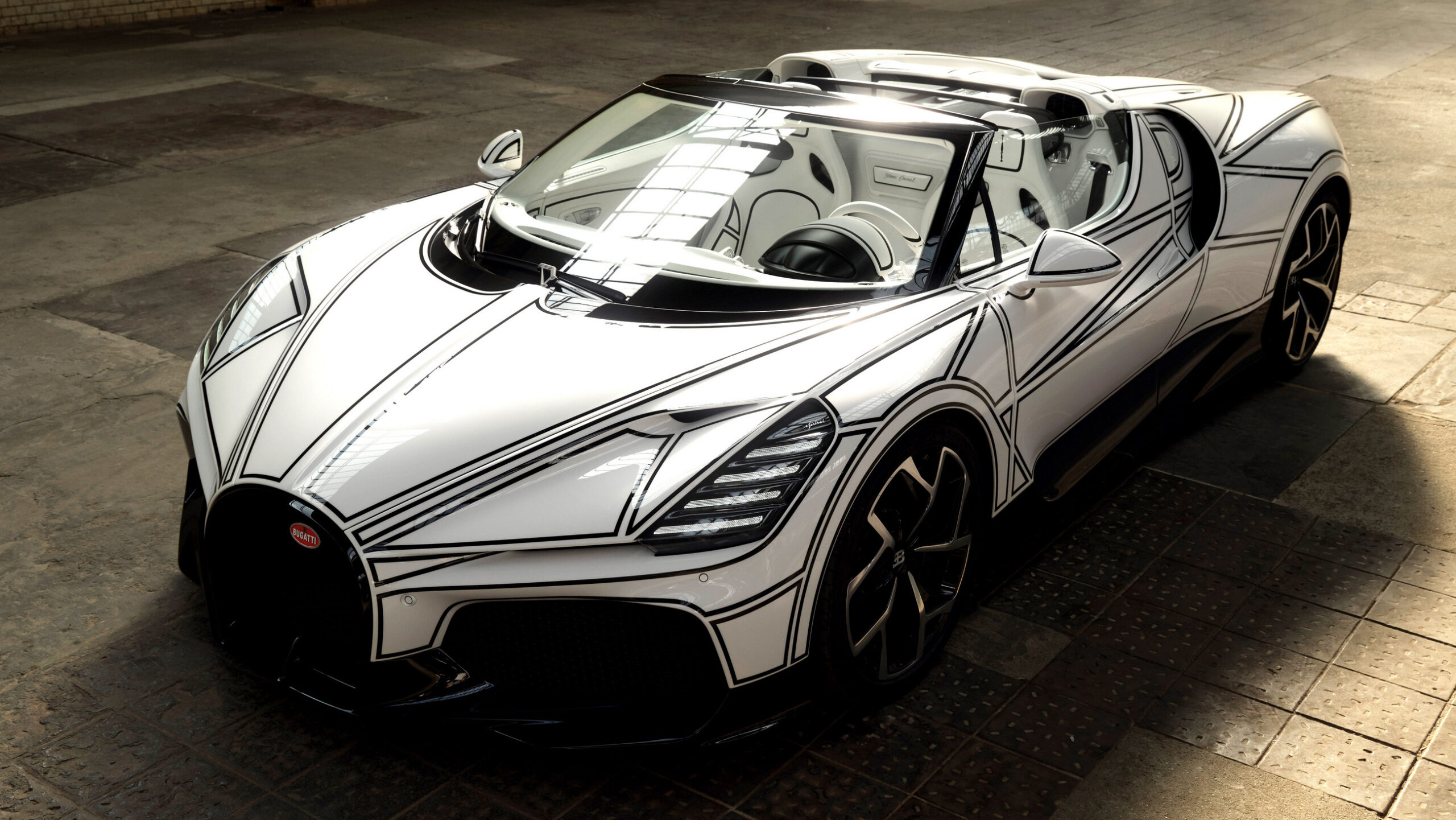
Blanc Éternel Hides Its Speed Behind a Gas Cap
Bugatti built a 261-mph roadster and made sure you'd notice the porcelain first.
From the other desks.

Gold Leaf on a Lacquer Dial, and the Weight of What That Costs
Awake's Frosted Leaf Royal Blue asks a question Vietnamese craft has never quite had to answer at this price.

ESPN Named Him. Then Unnamed Him. Nobody's Explaining the Gap.
A retraction without a reckoning is just a deleted link.

Hide My Email Has Been Showing Your Email
Apple's privacy flagship has a hole in it. They've known for over a year.