Saudi Money, Ex-Tesla Pedigree, $1.47 Billion Sitting in a Lot
Lucid built something genuinely impressive. Nobody came to buy it.
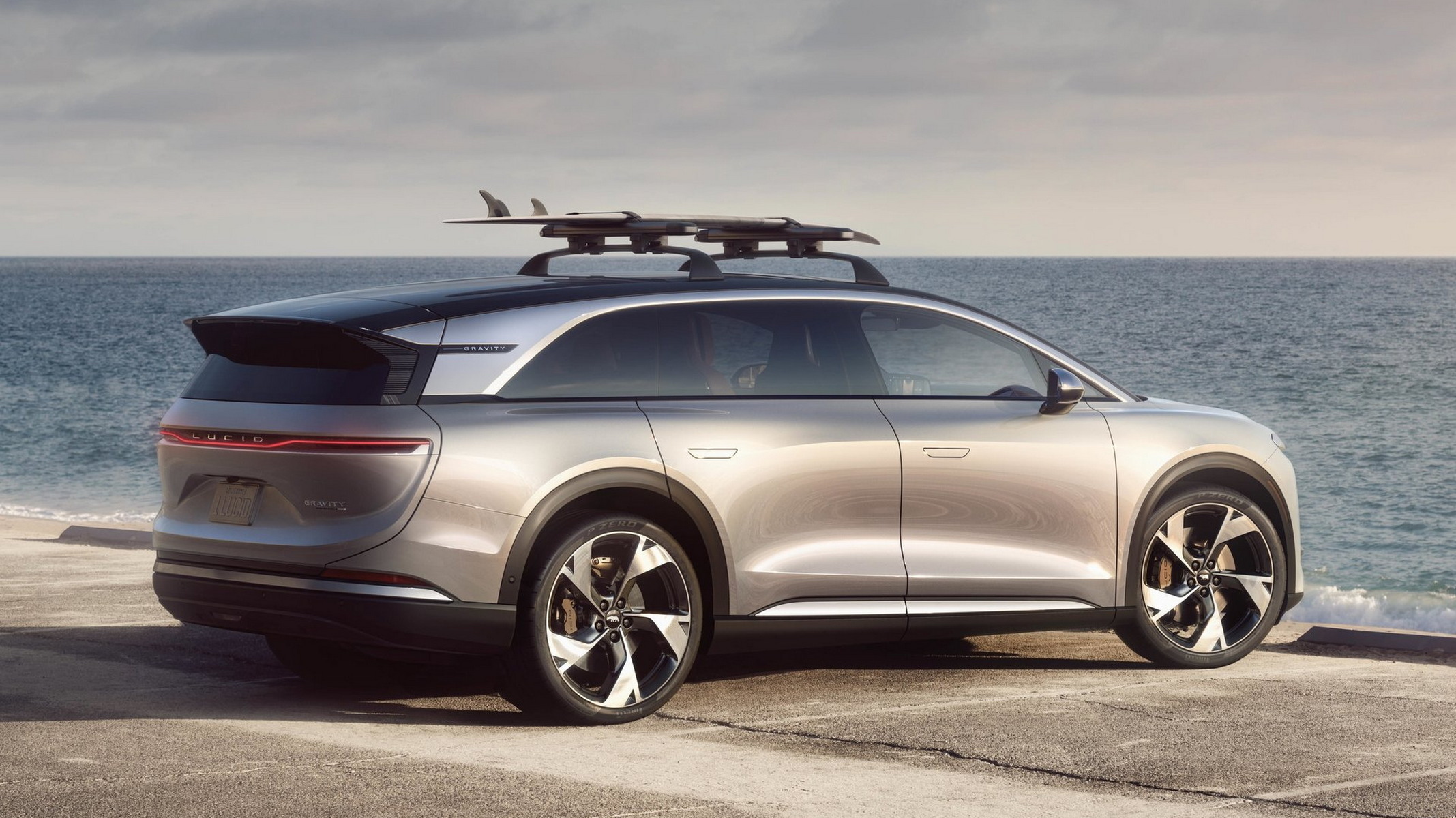
Photo · Carscoops
There's a version of the Lucid story that reads like a triumph. Ex-Tesla pedigree at the top. Saudi capital at the back. A car that reviewers have called one of the most technically accomplished EVs ever built. Range figures that embarrass the competition. An interior that doesn't apologize for the price.
And then there's the actual version, which is $1.47 billion in unsold inventory sitting in lots while the company posts a net loss of $1 billion — in a single quarter.
That's not a stumble. That's a structural problem wearing an expensive coat.
The Numbers Don't Leave Room for Spin
The loss figure alone would be enough to fill a bad earnings call. But the more telling number is the inventory. Carscoops reported that Lucid missed Wall Street's expectations by $158 million — which, in context, almost feels like a footnote. The cars exist. They were built. The engineering held up. The problem is that the market did not respond with anything close to the enthusiasm the product deserved.
Lucid has since suspended its full-year production guidance, according to InsideEVs. Think about what that means operationally: the company no longer knows, or won't say, how many vehicles it plans to build for the rest of 2026. That's not a supply chain problem. That's a demand problem deep enough that forward planning becomes guesswork.
The Autopian put it plainly — you need more than the best car to be successful. That sounds obvious until you watch a company spend years proving it the hard way.
The Founder Problem No One Wants to Name
The Autopian noted something worth sitting with: Lucid's founder and former CEO, Peter Rawlinson, isn't just an ex-Tesla engineer — he's arguably the most significant one to leave and start something new. That's not a minor credential. That's the kind of origin story that raises serious money and serious expectations.
And yet here we are. The new CEO, per Carscoops, has already hit pause — a phrase that in corporate language usually means something closer to we are reassessing everything while trying not to say that out loud.
The cars didn't fail. The go-to-market did. There's a version of this company that built a world-class product and then assumed the world would show up. It didn't — not in the numbers that a billion-dollar quarterly burn rate requires.
Saudi backing absorbs losses in ways that would have killed a smaller operation months ago. That's the only reason this story is still ongoing rather than concluded. But capital buys time, not customers. And time, at this rate, is expensive.
The Lucid Air is a real machine. The range is real. The engineering is real. None of that is in dispute. What's in dispute — what's sitting in $1.47 billion worth of evidence across various parking lots — is whether any of that was ever going to be enough on its own.
The best car in the room still has to be in a room people walk into.
Keep reading cars.

800 Horsepower, One Ton of Doubt
Lamborghini built the most powerful SUV it's ever made. It's also slower than what it replaced.

£11,990 Draws a Line Under Every Excuse You Had Left
Dacia just made the cheapest new car in Britain electric — and that's not a footnote, it's a verdict.
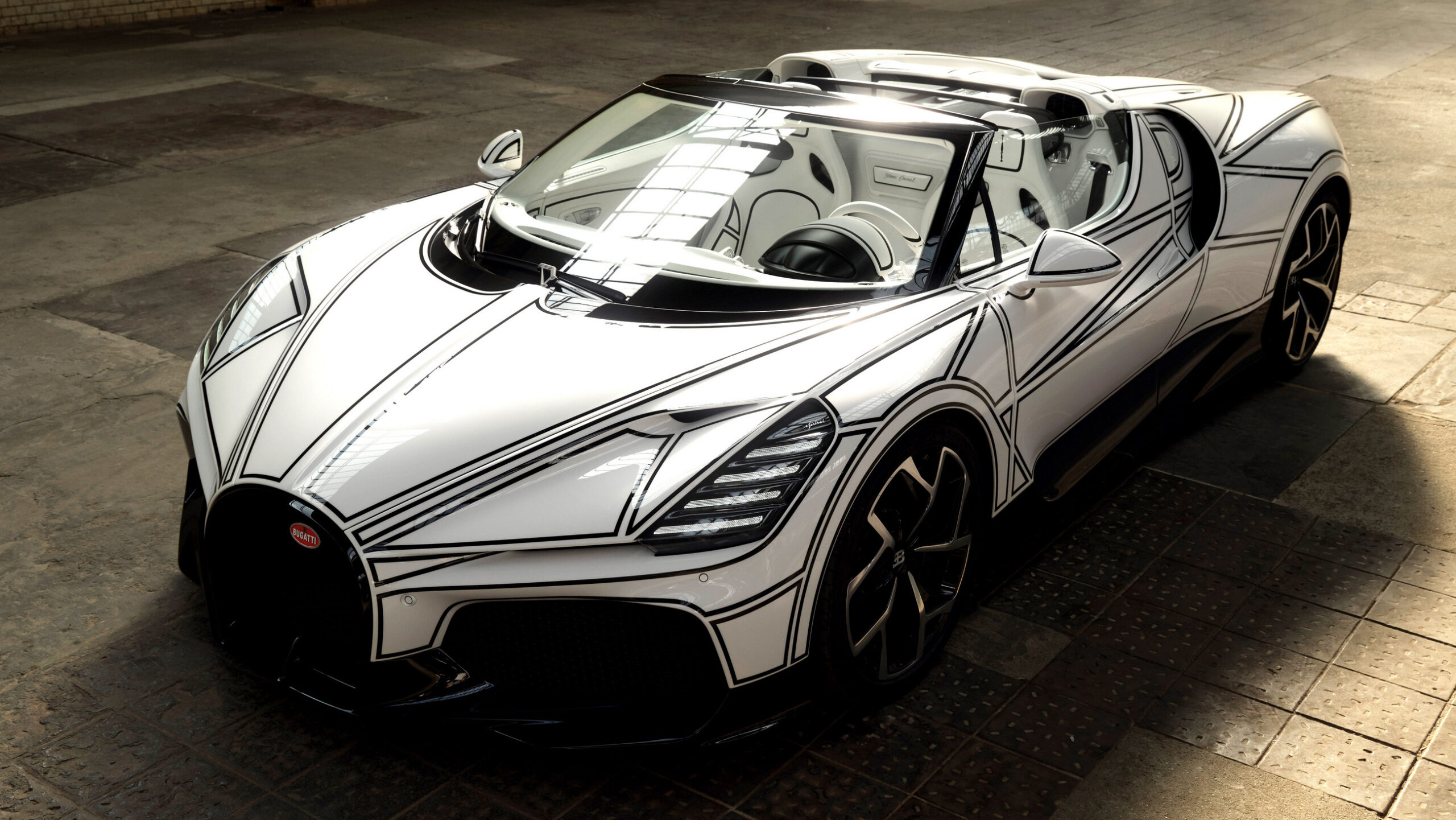
Blanc Éternel Hides Its Speed Behind a Gas Cap
Bugatti built a 261-mph roadster and made sure you'd notice the porcelain first.
From the other desks.

Gold Leaf on a Lacquer Dial, and the Weight of What That Costs
Awake's Frosted Leaf Royal Blue asks a question Vietnamese craft has never quite had to answer at this price.

ESPN Named Him. Then Unnamed Him. Nobody's Explaining the Gap.
A retraction without a reckoning is just a deleted link.

Hide My Email Has Been Showing Your Email
Apple's privacy flagship has a hole in it. They've known for over a year.