The Watch That Didn't Wait For Permission
Twenty-five years after the Freak rewrote the rules, the Super Freak arrives to remind you the rules were always optional.

Photo · Fratello Watches – The Magazine Dedicated To Luxury Watches
There's a particular kind of confidence that doesn't announce itself. You recognize it in a piece of clothing worn without explanation, in a car parked without apology, in a person who walks into a room and simply occupies it. The Ulysse Nardin Freak had that quality when it appeared in 2001. It didn't ask whether the watch world was ready. It showed up, did what it did, and left everyone else to figure out how to respond.
Twenty-five years later, the Super Freak arrives. And the question worth sitting with isn't what changed — it's what that kind of patience actually means.
The Original Provocation
When Monochrome described the original Freak's 2001 debut, they put it plainly: some watches refine what exists, adjusting within safe and well-defined boundaries, and then some watches question nearly everything considered conventional and classic. That sentence is doing a lot of work, and it earns every bit of it. The Freak didn't arrive as a variation on a theme. It arrived as a different argument entirely — about what a watch movement could be, what a dial could look like, what the whole relationship between mechanism and wearer might feel like.
That's not a small thing. The watch industry, more than almost any other, runs on continuity. Heritage is the currency. Precedent is the proof. To walk into that room in 2001 and say no, actually — that takes a specific kind of nerve, or a specific kind of vision, or both.
The Super Freak marks the brand's 180th anniversary, which is its own kind of statement. You don't spend 180 years building credibility to throw it away on a stunt. What Fratello described — a watch they invoked Rick James to introduce, a white gold piece they called kinky, something that will never let your spirits down — that's not the language of compromise. That's the language of a brand that has decided, after a century and a half of doing things one way, to do something else entirely and mean it.
What Radical Looks Like When It Grows Up
Here's what I keep coming back to: radical design has a shelf life problem. The thing that makes something genuinely transgressive in its moment — the shape, the material, the structural logic — often curdles into novelty within a decade. What felt dangerous starts to feel dated. The provocateur becomes the punchline.
The Freak didn't do that. Time+Tide called the Super Freak a true upgrade that takes the original idea even further into the realms of high horology. That phrase — even further — is the tell. You can only go further from a position that still holds. If the original had aged into irrelevance, there'd be nowhere further to go. You'd be starting over, not continuing.
Monochrome went so far as to call the new generation quite possibly the most complex time-only watch ever made. That's a serious claim, and it says something important: the Super Freak isn't coasting on the cultural memory of the original. It's doing new technical work. The design philosophy that looked radical in 2001 turned out to be pointing somewhere real — somewhere that 25 years of movement engineering could actually reach.
That's the difference between provocation and vision. Provocation burns bright and disappears. Vision takes time to become legible.
The Patience of Unusual Things
There's a version of this story that's just about watches. The movement architecture, the case material, the anniversary edition logic. That version is fine. It's accurate. It's also not the interesting part.
The interesting part is what it means to make something genuinely unconventional and then wait — not compromise, not soften, not explain yourself into palatability — just wait for the moment when the world has moved enough to see what you were doing.
Most things don't survive that wait. They get revised into acceptability, or they get abandoned, or the people who made them lose their nerve somewhere in the middle years when the consensus hasn't shifted yet and the doubters are loudest. The Freak line survived. And the Super Freak isn't a nostalgic callback to the original — it's the original idea, taken seriously for 25 years, arriving at its next form.
Fratello reached for Rick James to describe the white gold Super Freak. That's not an accident. There's something in both — the commitment to a specific kind of unapologetic, the refusal to make it easier for people who aren't ready, the understanding that the right audience will find you if you hold your position long enough.
I think about the things I own that I chose because they were right rather than because they were safe. The ones I didn't need anyone to validate. The ones I'm still glad about years later, not because they aged well in the conventional sense, but because they were never trying to age well — they were trying to be honest.
The Super Freak is one of those objects. Not because it's beautiful, though it may be. Not because it's complex, though Monochrome makes a credible case that it's extraordinarily so. But because it's still the same argument it was making in 2001, only louder, and it turns out the argument was right.
The watch world caught up. It usually does.
Keep reading fashion.

Gold Leaf on a Lacquer Dial, and the Weight of What That Costs
Awake's Frosted Leaf Royal Blue asks a question Vietnamese craft has never quite had to answer at this price.
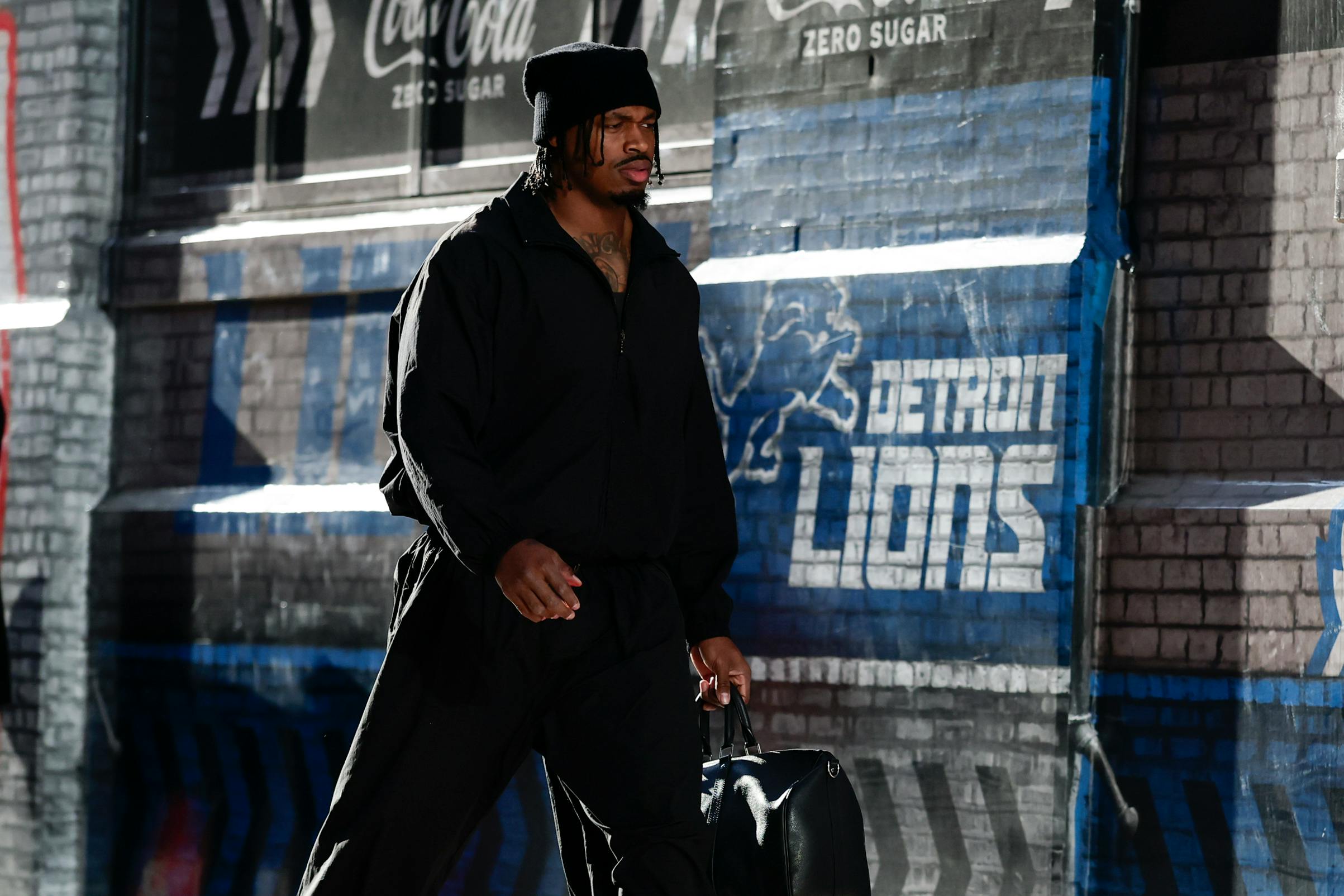
Kyle Smith Has a Job Title That Didn't Exist Before. That's the Whole Tell.
When the NFL hires a fashion editor, it's not about clothes — it's about who gets to decide what matters.
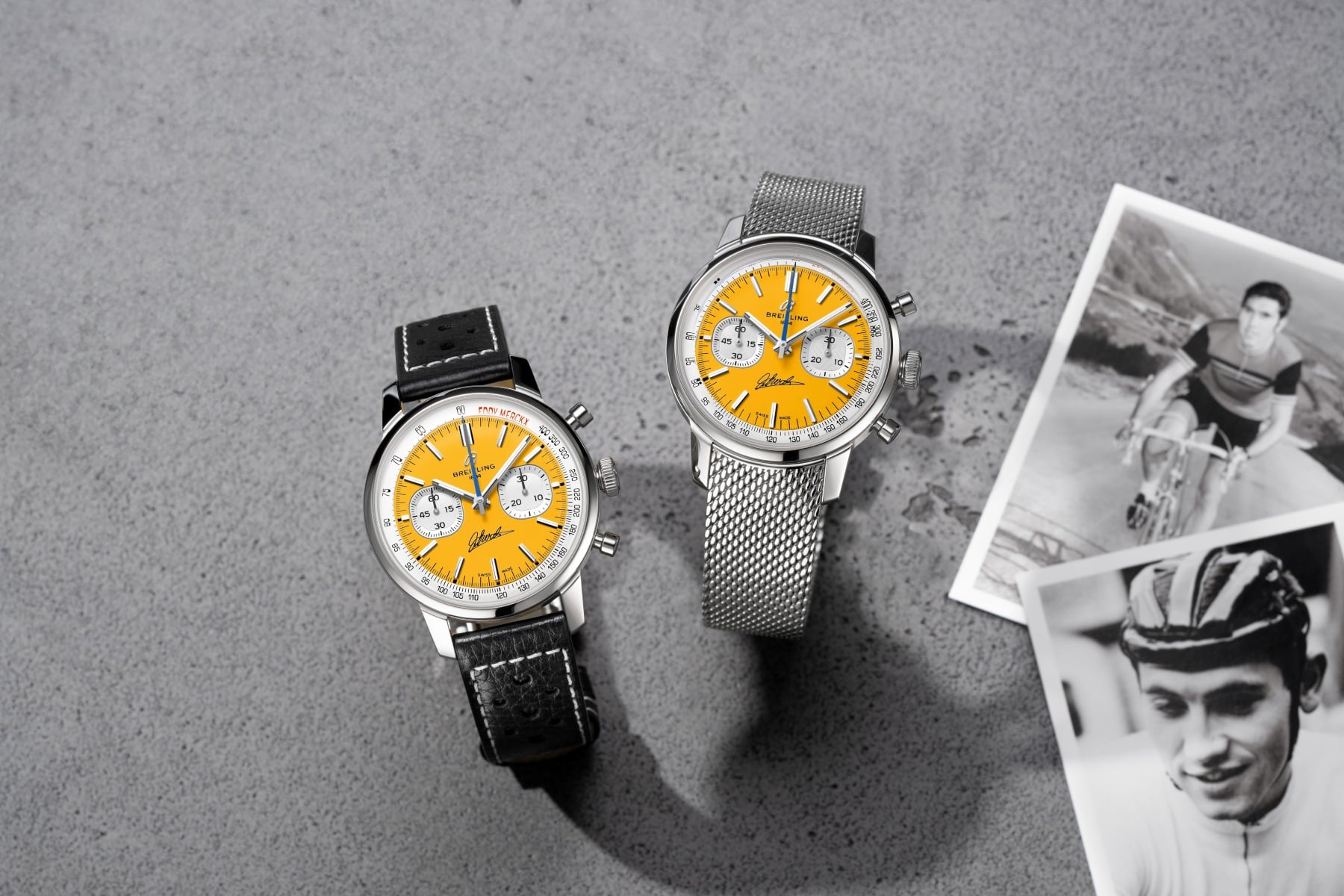
525 Victories, One Dial, and Cycling's Long Wait for a Wrist
Breitling's Eddy Merckx edition doesn't just reference a legend — it asks whether motorsport's younger sibling has finally earned its place in serious watch culture.
From the other desks.

800 Horsepower, One Ton of Doubt
Lamborghini built the most powerful SUV it's ever made. It's also slower than what it replaced.

ESPN Named Him. Then Unnamed Him. Nobody's Explaining the Gap.
A retraction without a reckoning is just a deleted link.

Hide My Email Has Been Showing Your Email
Apple's privacy flagship has a hole in it. They've known for over a year.