Ferrari Built Something Ugly. Nobody Left the Room.
When a car that breaks every visual rule still sells itself before the doors open, you have to wonder what the rules were ever protecting.
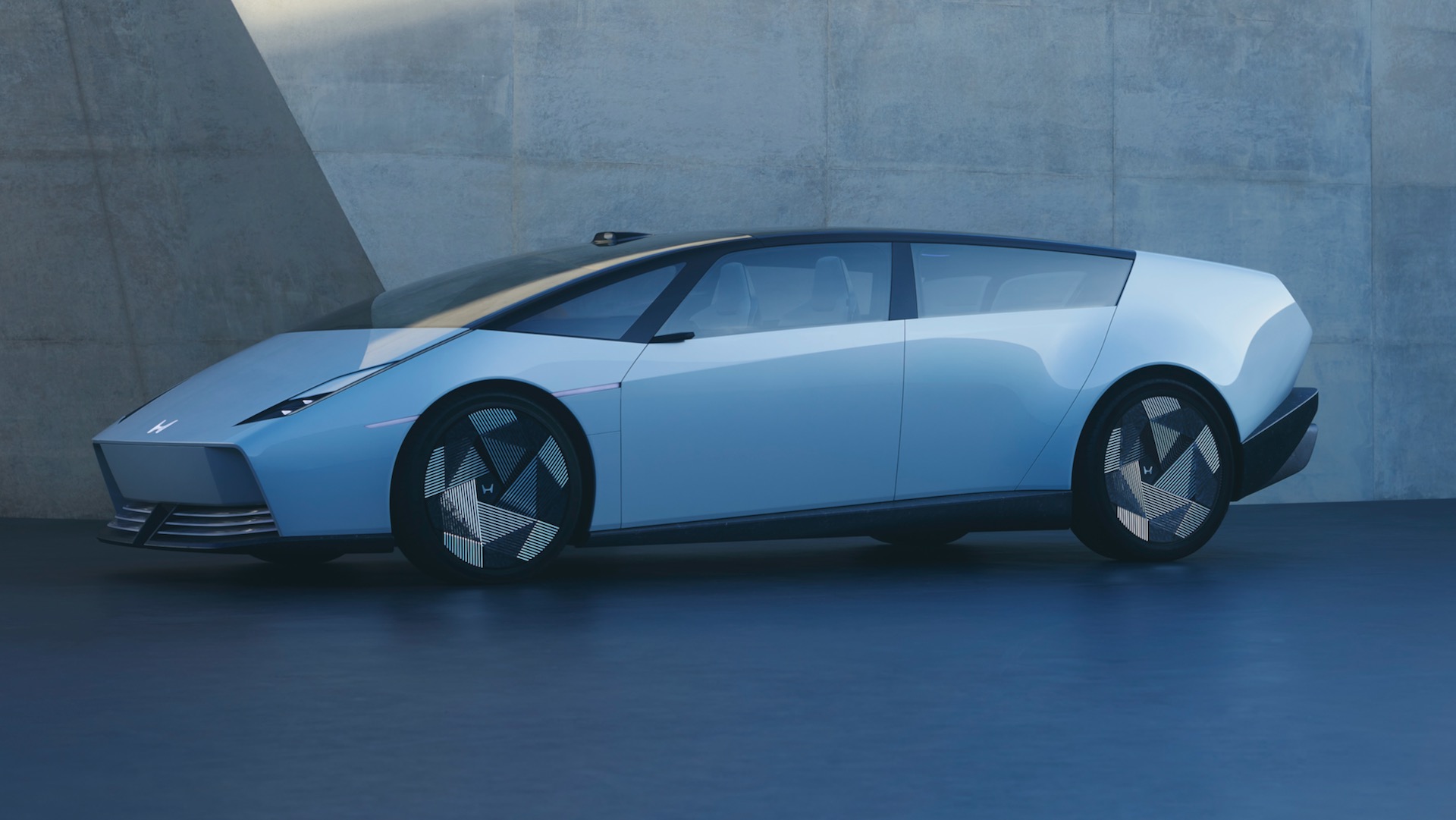
Photo · The Drive
The Feeling That Didn't Come
There's a moment with certain cars — you've had it, or you've watched someone else have it — where the thing rounds a corner or crests a hill and something in your chest moves before your brain catches up. No processing required. Just response. That's the contract Ferrari has always written in metal and exhaust. You don't have to be a fan. You don't have to know the history. The car makes you feel something before you can decide whether to.
The Luce, by more than one account, did not do that.
Writers at The Drive went further than most, arguing that Honda's 0 Series Saloon — a concept from a Japanese mass-market brand — would have made a more emotionally immediate Ferrari than Ferrari's own electric flagship. That's not a small thing to say. That's a journalist looking at the prancing horse and suggesting a rival borrowed the feeling that Ferrari left on the table. The Luce, they noted, requires a close look to appreciate. The Honda inspired raw emotion from the start. And raw emotion, as The Drive pointed out plainly, is what a Ferrari should do.
Sit with that for a second. A car that requires a close look to appreciate. From Ferrari.
What the Aftermarket Already Knows
When a car arrives and the modifiers move in immediately, it usually means one of two things: the platform is so good that enthusiasts want more of it, or the design is so unresolved that someone thinks they can fix it. The Luce drew the second kind of attention. Carscoops covered an early carbon fiber makeover of the five-seat EV, and their verdict was unsparing — the aftermarket intervention didn't do the Luce any favors. The word they reached for was pointed: you can polish it, just not into a Ferrari.
That phrase does a lot of work. It implies that Ferrarihood — whatever visual grammar communicates that a car belongs to a specific tradition of intention and desire — is either present in the steel or it isn't. You cannot bolt it on after the fact. The mods apparently confirmed what the original raised as a question.
And yet. Here's where it gets strange.
Why None of This Matters, and Why That's the Real Story
TechCrunch ran a piece with a headline that cut straight through the noise: it doesn't matter that people hate the Ferrari Luce. Not a defense of the design. Not a rebuttal to the critics. Just a clean-eyed reading of how the market actually works, and specifically how it works for Ferrari.
They're right, and that rightness is uncomfortable.
Ferrari's customer base for a five-seat electric grand tourer is not scanning automotive forums for critical consensus. They are not reading The Drive's comparison to the Honda 0 Saloon and reconsidering their deposit. They are wealthy, they are loyal to the badge in ways that critics sometimes underestimate, and they are buying access to something that has almost nothing to do with whether a writer in a press room felt their chest move when the car rolled in. The Luce will sell. The order books, if history is any guide, will fill. The critical conversation and the commercial reality are operating in separate rooms, and Ferrari built the wall between them deliberately over decades.
But here's what that separation reveals — and this is what I keep coming back to — it means the visual language was always downstream of the mythology, not the source of it. Ferrari's design has always been treated as inviolable, as the physical proof of what the brand believes. Every new model scrutinized for whether it honors the lineage, whether the proportions carry the DNA, whether you'd know it was a Ferrari from a hundred yards in the dark. The Luce seems to fail several of those tests by the accounts of multiple observers. And it doesn't matter.
Which means the mythology was never actually about the shape.
What Electrification Exposed
Every legacy car brand has been navigating electrification like it's a translation problem — how do you render what you've always been in a language with different rules? Ferrari, for longer than most, resisted the question entirely. The Luce is their answer, and it is, by any design-critical reading, a complicated one.
But the interesting thing isn't whether they got the design right. It's that getting it wrong — if that's what they did — carried no visible penalty. The critics landed their punches. The aftermarket tried to intervene. A writer at The Drive handed the emotional trophy to Honda. And the Luce will still find its garage, probably several of them, in several countries, among people who will love it for reasons that have nothing to do with what any of us wrote.
That's not a failure of criticism. That's criticism correctly identifying something real: that brand identity, when it reaches a certain altitude, stops being about any single artifact and starts being about accumulated belief. Ferrari isn't selling you the Luce. Ferrari is selling you Ferrari. The car is almost incidental.
I find that both fascinating and a little sad. Because the moment a car becomes incidental to the brand that made it, something has shifted. The object stops being the point of contact between maker and driver. It becomes a token. A membership card with an engine.
Maybe that's where we are. Maybe electrification didn't change what Ferrari makes so much as it clarified what Ferrari sells. And what Ferrari sells, it turns out, is something no amount of carbon fiber, or honest criticism, or better-looking competition can touch.
Keep reading cars.

800 Horsepower, One Ton of Doubt
Lamborghini built the most powerful SUV it's ever made. It's also slower than what it replaced.

£11,990 Draws a Line Under Every Excuse You Had Left
Dacia just made the cheapest new car in Britain electric — and that's not a footnote, it's a verdict.
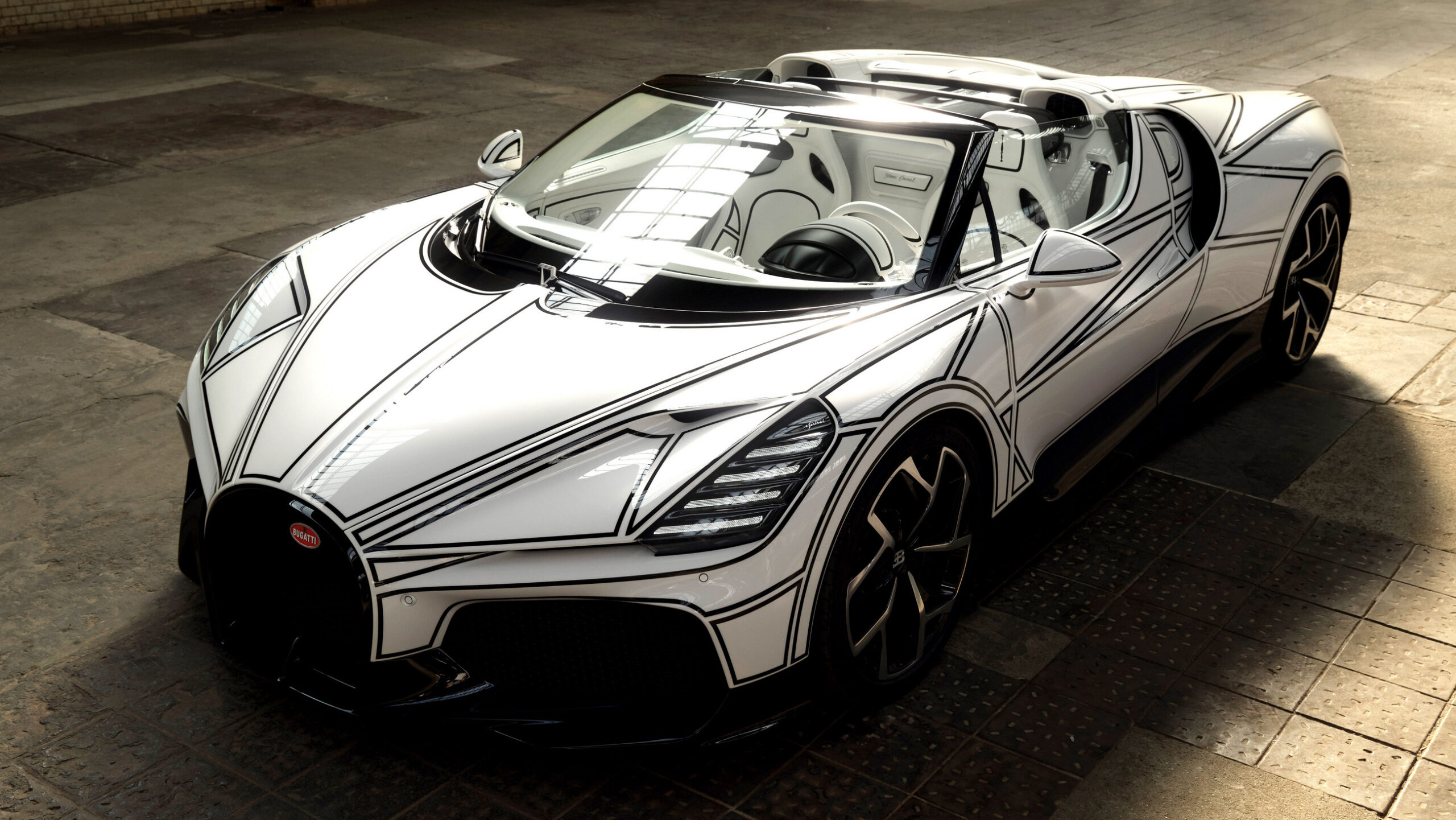
Blanc Éternel Hides Its Speed Behind a Gas Cap
Bugatti built a 261-mph roadster and made sure you'd notice the porcelain first.
From the other desks.

Gold Leaf on a Lacquer Dial, and the Weight of What That Costs
Awake's Frosted Leaf Royal Blue asks a question Vietnamese craft has never quite had to answer at this price.

ESPN Named Him. Then Unnamed Him. Nobody's Explaining the Gap.
A retraction without a reckoning is just a deleted link.

Hide My Email Has Been Showing Your Email
Apple's privacy flagship has a hole in it. They've known for over a year.