V8s Are Coming Back to F1. Hear What That Admission Costs.
By 2031, Formula 1 will run V8 engines again — and the way everyone's celebrating tells you more than the decision itself.
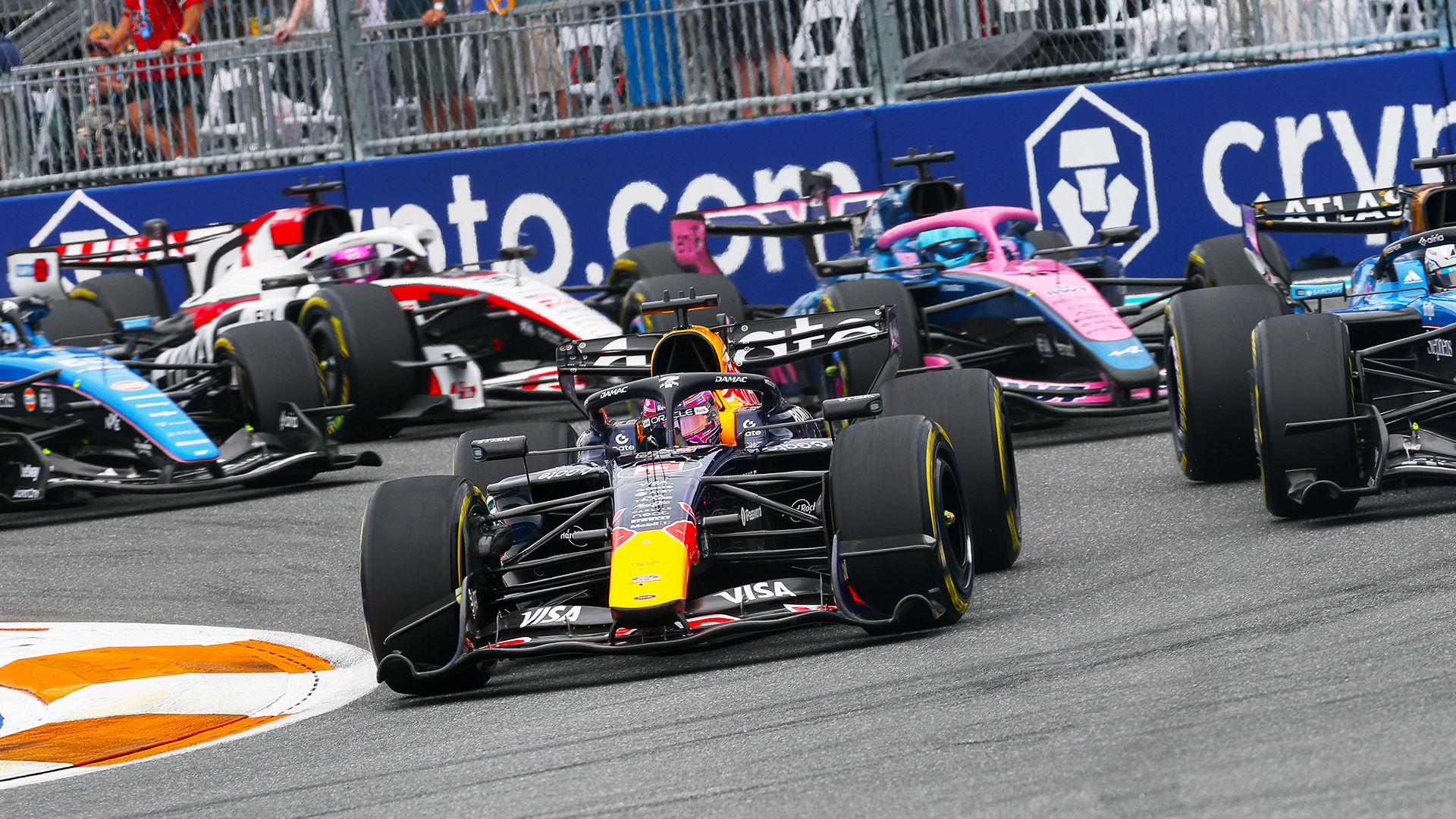
Photo · The Drive
There's a word the FIA President used when confirming the switch back to V8 engines for 2031. He called it a "no-brainer."
Sit with that for a second.
Formula 1 spent years building the most technically intricate power unit in motorsport history — a turbocharged hybrid V6 that blends combustion and electrical energy in proportions that require a engineering degree to fully appreciate. Teams poured resources into mastering it. The formula shaped the competitive hierarchy of an entire era. And the man running the governing body just described moving away from it as something that required no thought at all.
That's not a celebration. That's a confession.
What the Formula Actually Said
Hagerty framed it well in their coverage: the "formula" in Formula 1 is the point. Since 1950, the FIA has set the technical parameters within which teams build their machines. The formula is the sport's identity — its argument about what a racing car should be at any given moment in history.
For the better part of the last decade, that argument was about efficiency. About relevance to road car technology. About demonstrating that performance and responsibility could coexist at 200 mph. You could hear it in the press releases and in the paddock. The hybrid V6 wasn't just a racing engine; it was a statement.
Except the statement landed quietly. Literally.
The FIA President has confirmed targets for the new V8 — its size, its power output, its revised gas-to-electric energy split — and the framing from The Drive's coverage is unambiguous: louder, less hybrid. Those aren't incidental characteristics. They're the headline. The sport isn't evolving toward the V8; it's retreating to it, and calling the retreat obvious.
What Loud Actually Means
I don't want to be glib about noise. Anyone who has stood at a fence line when a naturally aspirated racing engine passes at full chat — that chest-compression, that involuntary flinch — knows it's not a trivial thing. Sound is information. It's theater and data simultaneously. When a driver lifts, you hear it. When something's wrong, you hear it before the telemetry catches up. The current hybrid V6s are fast enough to rearrange your organs but quiet enough that casual fans watch on television with the commentary louder than the cars.
That's a problem that no amount of on-screen graphics can solve.
But acknowledging the problem means acknowledging that the hybrid formula — for all its genuine engineering achievement — failed the sport's most basic obligation: to make people feel something from a distance. And the FIA now saying this switch is a "no-brainer" means they know it, and have known it for a while, and are now saying the quiet part in public.
The 2031 timeline gives teams years to prepare, which is reasonable. What it also gives is a long runway for everyone to pretend this is evolution rather than reversal. It isn't. A reduced hybrid component isn't a hybrid philosophy — it's a compromise that leans toward admission.
Formula 1 has always been the sport that told you what a racing car was supposed to be. In 2031, it will tell you again. The answer, apparently, is something you can hear from the parking lot.
Keep reading cars.

800 Horsepower, One Ton of Doubt
Lamborghini built the most powerful SUV it's ever made. It's also slower than what it replaced.

£11,990 Draws a Line Under Every Excuse You Had Left
Dacia just made the cheapest new car in Britain electric — and that's not a footnote, it's a verdict.
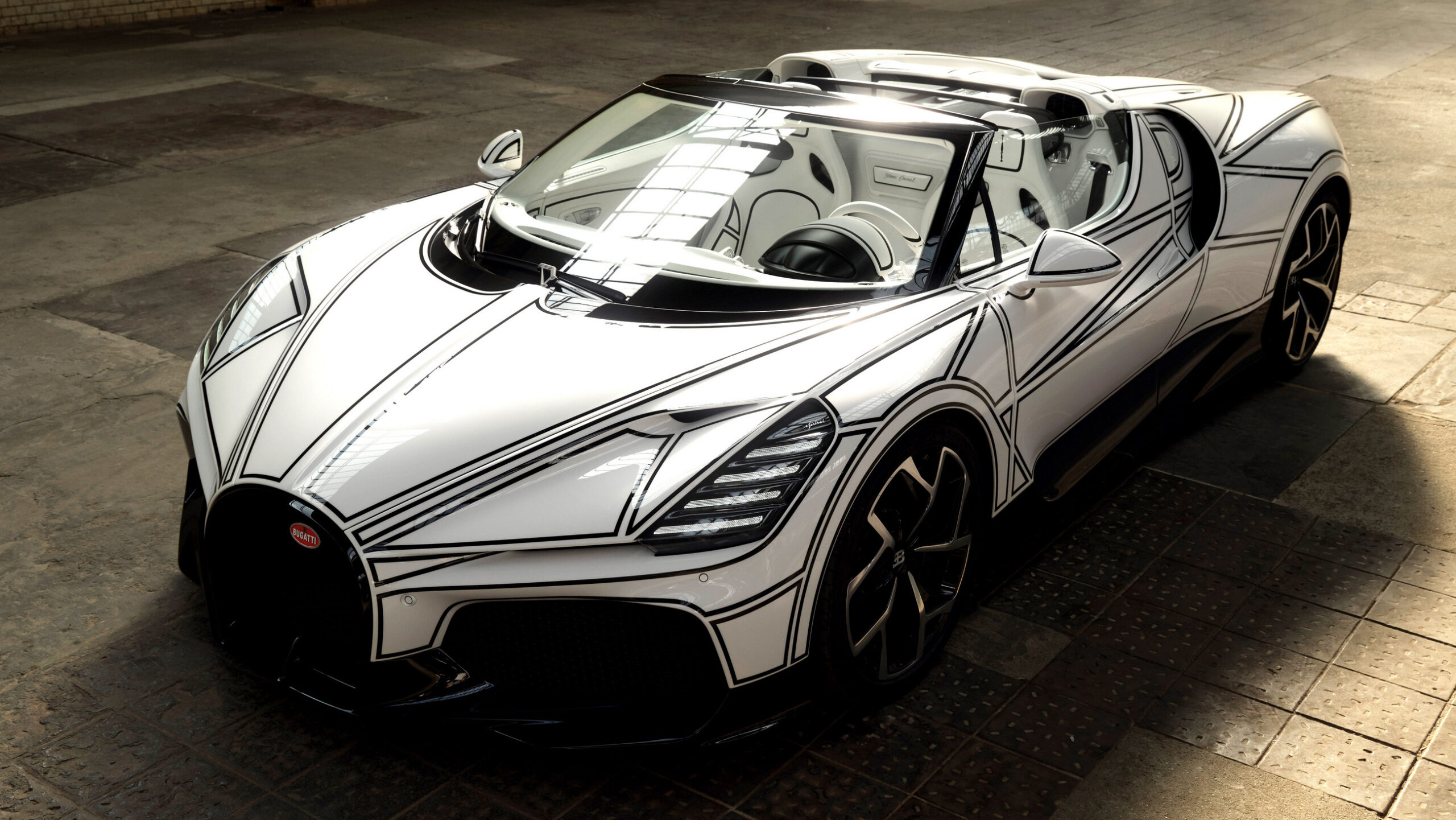
Blanc Éternel Hides Its Speed Behind a Gas Cap
Bugatti built a 261-mph roadster and made sure you'd notice the porcelain first.
From the other desks.

Gold Leaf on a Lacquer Dial, and the Weight of What That Costs
Awake's Frosted Leaf Royal Blue asks a question Vietnamese craft has never quite had to answer at this price.

ESPN Named Him. Then Unnamed Him. Nobody's Explaining the Gap.
A retraction without a reckoning is just a deleted link.

Hide My Email Has Been Showing Your Email
Apple's privacy flagship has a hole in it. They've known for over a year.