The Machine That Refused to Apologize
Two oil crises tried to kill the Wagoneer. They only made it stranger.
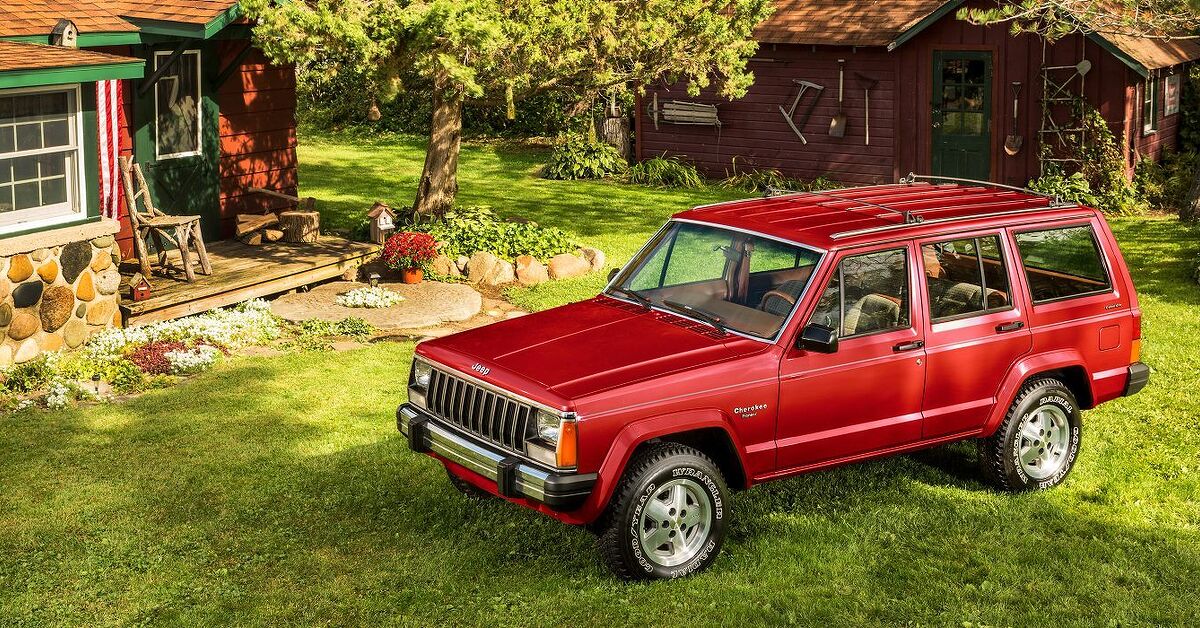
Photo · TheTruthAboutCars
What Survival Actually Looks Like
Imagine the boardroom conversation. The year is somewhere in the wreckage after the second oil shock — 1979, the pumps running dry again, the news full of lines and rationing and national anxiety. Somewhere inside AMC, someone has to look at the Wagoneer — this enormous, unapologetic, wood-paneled slab of American ambition — and decide what to do with it.
They didn't kill it. They put a six-cylinder engine back in it and offered a manual transmission and called it practical. Then they kept selling it.
That decision is worth sitting with. Because it tells you something true about what the Wagoneer actually was — and something even truer about what we want from machines when the world gets difficult.
A writer at TheTruthAboutCars has been working through the Wagoneer's full history in installments, and the latest chapter lands on this exact inflection point: the SJ generation surviving not one but two oil crises, AMC threading the needle between relevance and extinction, and then — after more than two decades — finally moving on with the arrival of the XJ platform in 1984. It's presented as history. But I keep reading it as something closer to a character study.
The Luxury of Not Caring
Here's what strikes me about the Wagoneer's survival strategy: it wasn't really a strategy. It was a refusal dressed up as one.
When AMC reinstalled the inline-six and the manual gearbox — advertising better fuel economy, a lower cost of entry — they weren't rethinking what the Wagoneer was. They were doing the minimum necessary to keep it on the lot while the world sorted itself out. The soul of the thing, the sheer muchness of it, remained intact. You could get a Wagoneer with worse numbers on paper. It was still a Wagoneer.
That distinction matters more than it sounds. The history of the American car industry through the seventies and early eighties is largely a history of apology — of downsizing and decontenting and hedging, of manufacturers trying to become something else because the market seemed to demand it. Some of those pivots were necessary. Some were just panic wearing the mask of pragmatism.
The Wagoneer's path was different. It absorbed the pressure, made some concessions at the edges, and remained fundamentally itself. And the market — even in the middle of an energy crisis — kept showing up for it.
I find that genuinely interesting. Not because the Wagoneer was right and everyone else was wrong, but because it suggests that what people want from a certain kind of vehicle has never really been about efficiency. It's been about permission. The permission to take up space. To haul the family and the gear and the dog and still feel like you chose something instead of settling for it.
Twenty Years Is a Long Time to Be Right
The TheTruthAboutCars piece frames the arrival of the XJ in 1984 as AMC finally being ready to move on — a plan implemented after more than two decades with the Wagoneer platform. That's a remarkable run by any measure. Long enough that the vehicle outlasted the cultural moments that were supposed to make it obsolete.
What the piece is really tracking, across all these installments, is the birth of a category. The luxury SUV didn't emerge from a single visionary decision. It accumulated. It survived things it wasn't supposed to survive. It got wood paneling and then lost some of it and then kept going anyway. By the time the rest of the industry caught up — by the time every brand had its own version of the big comfortable capable wagon — the Wagoneer had already been doing it for a generation.
There's something clarifying about watching a thing persist long enough to become inevitable in hindsight. We look at the luxury SUV market now and it seems like it was always going to exist, always going to dominate. But someone had to build it first, and build it again after the first oil crisis, and build it again after the second one, and keep building it until the world finally agreed.
What We're Really Choosing
I think about the people who bought Wagoneers during the energy crises. Not the ones who bought them before, when it was easy — the ones who bought them when the headlines were bad and the gas lines were long and the sensible choice was obvious. They chose the Wagoneer anyway.
That's not irrationality. That's a value system expressing itself under pressure.
We tell ourselves that we buy practical things for practical reasons, and that when circumstances demand sacrifice we'll sacrifice. But the Wagoneer's survival suggests the opposite — that what we actually do, when pushed, is reveal what we were never willing to give up in the first place. The space. The capability. The feeling of having chosen something with some weight to it, literally and otherwise.
The TheTruthAboutCars series is doing the work of recovering this history carefully, installment by installment, and the picture that emerges is less about a truck and more about a negotiation that's been happening between Americans and their vehicles for decades. The terms keep changing. The outcome keeps being the same.
The Wagoneer didn't survive two oil crises because it was efficient. It survived because some things, apparently, we are not willing to apologize for.
Keep reading cars.

800 Horsepower, One Ton of Doubt
Lamborghini built the most powerful SUV it's ever made. It's also slower than what it replaced.

£11,990 Draws a Line Under Every Excuse You Had Left
Dacia just made the cheapest new car in Britain electric — and that's not a footnote, it's a verdict.

Blanc Éternel Hides Its Speed Behind a Gas Cap
Bugatti built a 261-mph roadster and made sure you'd notice the porcelain first.
From the other desks.

Gold Leaf on a Lacquer Dial, and the Weight of What That Costs
Awake's Frosted Leaf Royal Blue asks a question Vietnamese craft has never quite had to answer at this price.

ESPN Named Him. Then Unnamed Him. Nobody's Explaining the Gap.
A retraction without a reckoning is just a deleted link.

Hide My Email Has Been Showing Your Email
Apple's privacy flagship has a hole in it. They've known for over a year.