Honda Blinked First
The Ridgeline goes dark for 18 months — and emissions rules get their first real scalp in the truck segment.
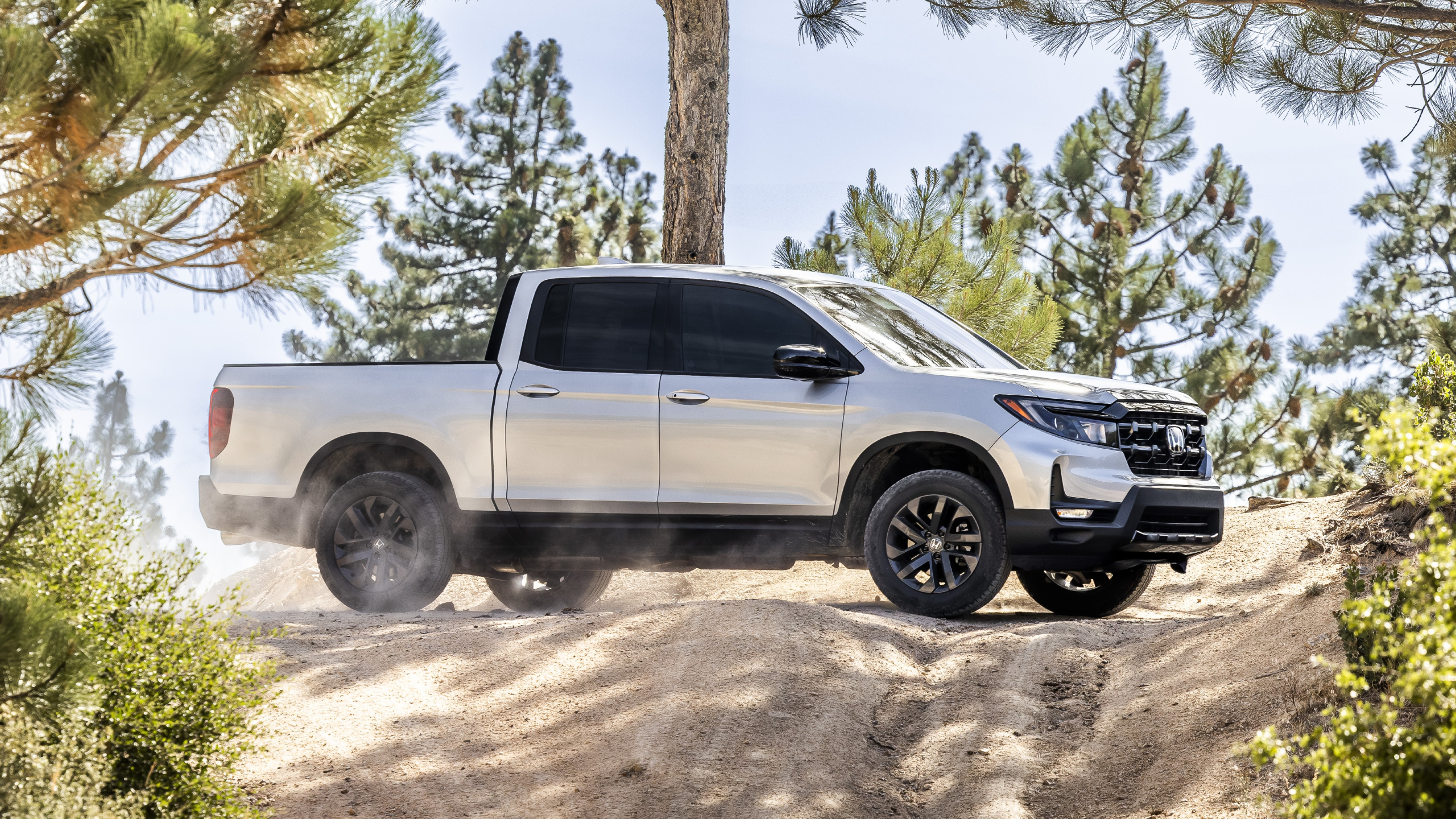
Photo · The Drive
There's a version of this story where Honda looks decisive. A planned pause, a considered redesign, a new dual-motor hybrid powertrain dropping in 2028 with a freshened V6 and a cleaner conscience. Orderly. Controlled.
That version is spin.
What actually happened is that the current Ridgeline's V6 ran out of road — not on the highway, but in the regulatory weeds. Federal emissions standards tightened to the point where the existing engine simply can't comply, and Honda's engineering resources are committed elsewhere. So production stops, reportedly in the final quarter of this year, and doesn't resume until 2028. Eighteen months of silence from a truck that already struggles to justify its place in the segment.
The coverage treats this as a Honda story. I think it's bigger than that.
What Compliance Actually Costs
For years, emissions rules have had a reputation as something manufacturers negotiate around — a target you engineer toward without ever quite reaching it, close enough to avoid the fine, far enough to keep selling the product you already built. The Ridgeline situation is what happens when that calculus collapses. The current powertrain doesn't meet the standard. Full stop. No workaround. No bridging solution. Pull the truck.
That's a different kind of pressure. Not the slow squeeze of fuel economy targets that get gamed through window sticker math and fleet averaging, but a hard stop. Build it and you can't sell it. So you don't build it.
One outlet noted that resources for updating the current engine are focused elsewhere — which, read between the lines, means Honda made a choice. Keeping a noncompliant V6 alive wasn't worth the investment when the answer was a hybrid powertrain anyway. The market was going there. The regulation just forced the timeline.
The Truck That Was Always Arguing for Itself
Here's what makes the Ridgeline an interesting casualty: it was never the obvious truck. Car-based platform, unibody construction, a buyer profile that skewed toward people who needed a truck bed occasionally but didn't want to drive a truck every day. It spent its entire existence defending its own legitimacy to people who'd already decided what a real truck looks like.
And now it's going away — briefly, technically, with a return date — but going away in a way that will cost it momentum, dealer attention, and the casual consideration of anyone who wasn't already looking.
The 2028 version arrives with a dual-motor hybrid system and a redesigned V6. On paper, that's a stronger truck. More efficient, likely more capable in ways the spec sheet rewards. Whether it can recover the ground lost during 18 months of absence is a different question, and the sources don't pretend to answer it.
What they do suggest, collectively, is that this isn't a story about one truck. It's a preview. The Ridgeline got caught first because it was already marginal — lower volume, less political cover, a powertrain that wasn't worth saving. But the emissions math that grounded it applies across the segment. Other manufacturers are watching. Some of them have more runway. Some of them don't.
The Ridgeline will be back. The question is whether the industry learned anything from watching it disappear.
Keep reading cars.

800 Horsepower, One Ton of Doubt
Lamborghini built the most powerful SUV it's ever made. It's also slower than what it replaced.

£11,990 Draws a Line Under Every Excuse You Had Left
Dacia just made the cheapest new car in Britain electric — and that's not a footnote, it's a verdict.
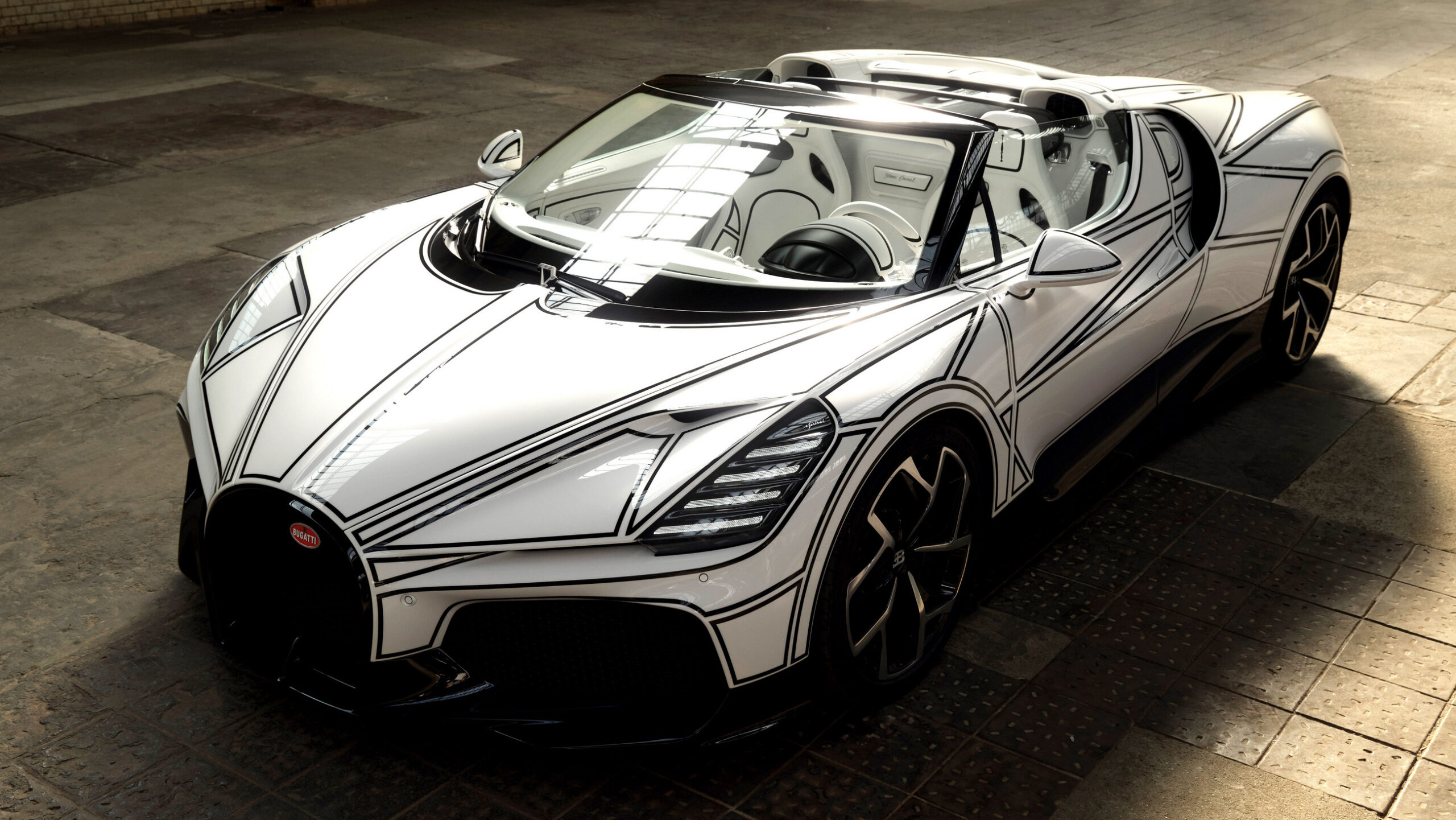
Blanc Éternel Hides Its Speed Behind a Gas Cap
Bugatti built a 261-mph roadster and made sure you'd notice the porcelain first.
From the other desks.

Gold Leaf on a Lacquer Dial, and the Weight of What That Costs
Awake's Frosted Leaf Royal Blue asks a question Vietnamese craft has never quite had to answer at this price.

ESPN Named Him. Then Unnamed Him. Nobody's Explaining the Gap.
A retraction without a reckoning is just a deleted link.

Hide My Email Has Been Showing Your Email
Apple's privacy flagship has a hole in it. They've known for over a year.