Erin Brockovich Is Crowdsourcing What Regulators Won't Count
Over 2,700 community reports and climbing — because apparently someone has to write this down.
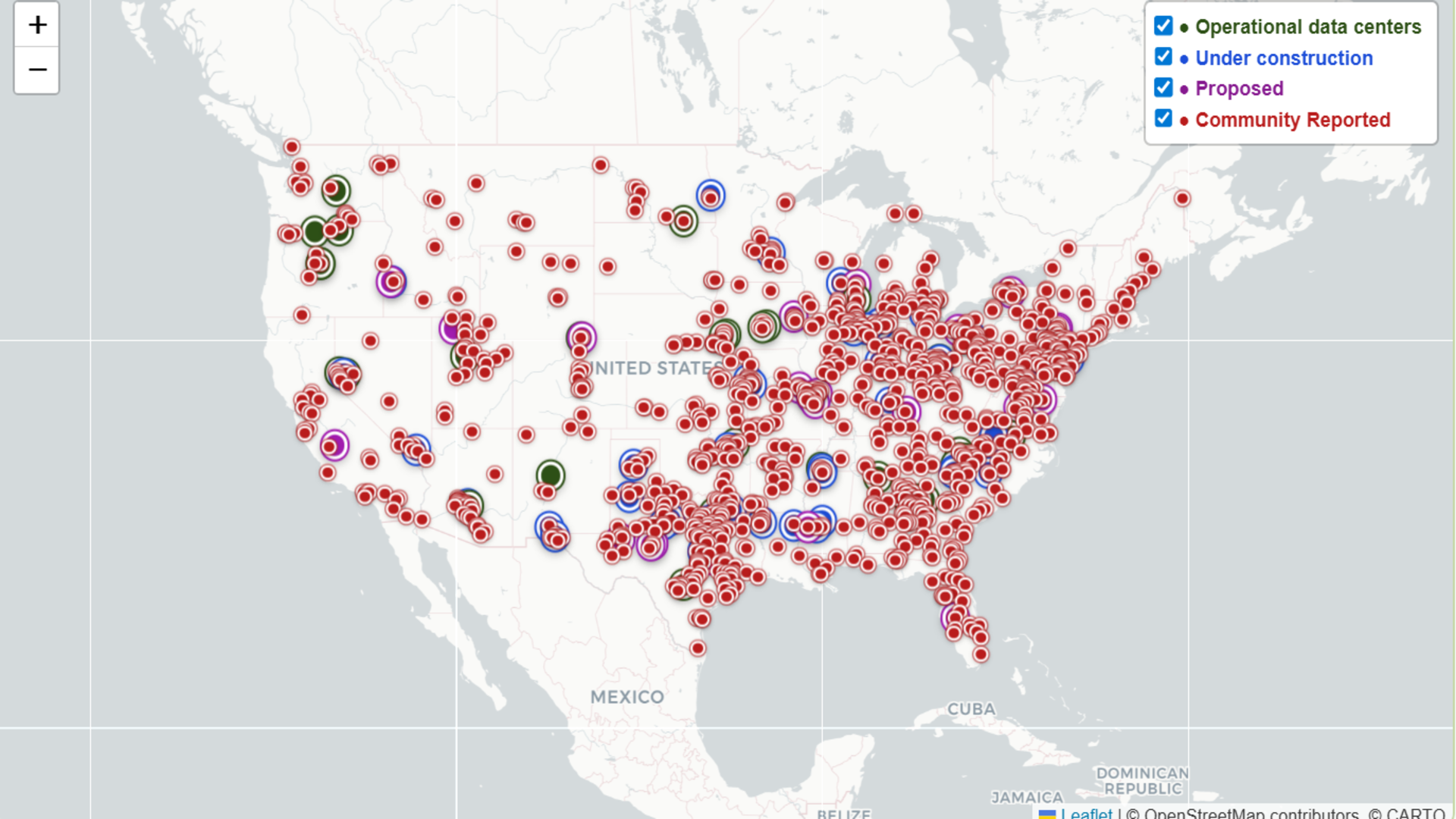
Photo · Latest from TechRadar
There's a particular kind of absurdity in the fact that the most comprehensive public record of AI infrastructure's environmental footprint is being assembled by volunteers on a website, because the alternative is nothing.
Erin Brockovich — the same person whose work against PG&E in the nineties produced a $333 million settlement, per Tom's Hardware — has launched a platform asking affected communities across the US to self-report concerns about data centers being built near them. As of the latest count, more than 2,700 reports have come in. That number is not a rounding error. That's a pattern.
And the phrase that should stop you cold: according to TechRadar's coverage, Brockovich herself described self-reporting as "the best way we can get this information out to the public." Read that carefully. Not one way. The best way. Which is another way of saying: there is no other way.
The Accountability Gap Wearing a Tech Hat
We've been through this cycle before, dressed in different clothes. The industry grows fast, the infrastructure scales faster, and the oversight arrives — if it arrives at all — years behind the footprint. What's different here is the scale of the resource demand that AI data centers represent, and the speed at which communities are finding themselves adjacent to that demand without much say in the matter.
Brockovich isn't alleging a specific villain yet. She's doing something more methodical and, frankly, more threatening to the industry: she's building a record. A public, crowdsourced, searchable record of what communities say is happening near them. Water. Noise. Power draw. Whatever people are reporting, it's going in.
Self-reporting has real limitations — anyone who's taken a statistics class knows this. But the implicit argument here is sharp: if the companies building this infrastructure won't publish granular environmental impact data, and if regulators aren't requiring it in real time, then the testimony of people living near these facilities becomes the primary source. That's not a great situation. But it's the situation.
The Branding Problem Nobody Wants to Talk About
Here's what I keep coming back to: the AI industry has spent enormous energy on the narrative of progress — faster models, cheaper inference, smarter tools. The infrastructure supporting all of that has mostly stayed out of the frame. Data centers are not glamorous. Power consumption numbers are not a headline anyone's rushing to publish.
Brockovich's move reframes the story at the community level, which is where these things tend to actually land. Not in quarterly earnings calls, not in product launches — in the town that suddenly has a massive facility drawing on its water supply, or in the neighborhood where the hum doesn't stop.
The 2,700-plus reports don't prove harm. But they do prove attention. And attention, historically, is where accountability begins.
The most sophisticated AI systems in the world are now being watched by a woman with a website and a comment form. That should make someone nervous.
Keep reading tech.

Hide My Email Has Been Showing Your Email
Apple's privacy flagship has a hole in it. They've known for over a year.

Sony Killed the Disc. Sony Is Also Killing the Store.
Two announcements, one company, and a quiet admission that "ownership" was always their word to define.
Apple Went to the Highest Court It Could Find. That Tells You Everything.
When a contempt ruling sends you to the Supreme Court, you're not defending a policy anymore — you're defending a worldview.
From the other desks.

800 Horsepower, One Ton of Doubt
Lamborghini built the most powerful SUV it's ever made. It's also slower than what it replaced.

Gold Leaf on a Lacquer Dial, and the Weight of What That Costs
Awake's Frosted Leaf Royal Blue asks a question Vietnamese craft has never quite had to answer at this price.

ESPN Named Him. Then Unnamed Him. Nobody's Explaining the Gap.
A retraction without a reckoning is just a deleted link.