Volvo Got the Exemption. Ask What That Means for the Rule.
When one automaker wins permission to keep the hardware everyone else must strip out, the national security argument starts to look like a negotiating position.
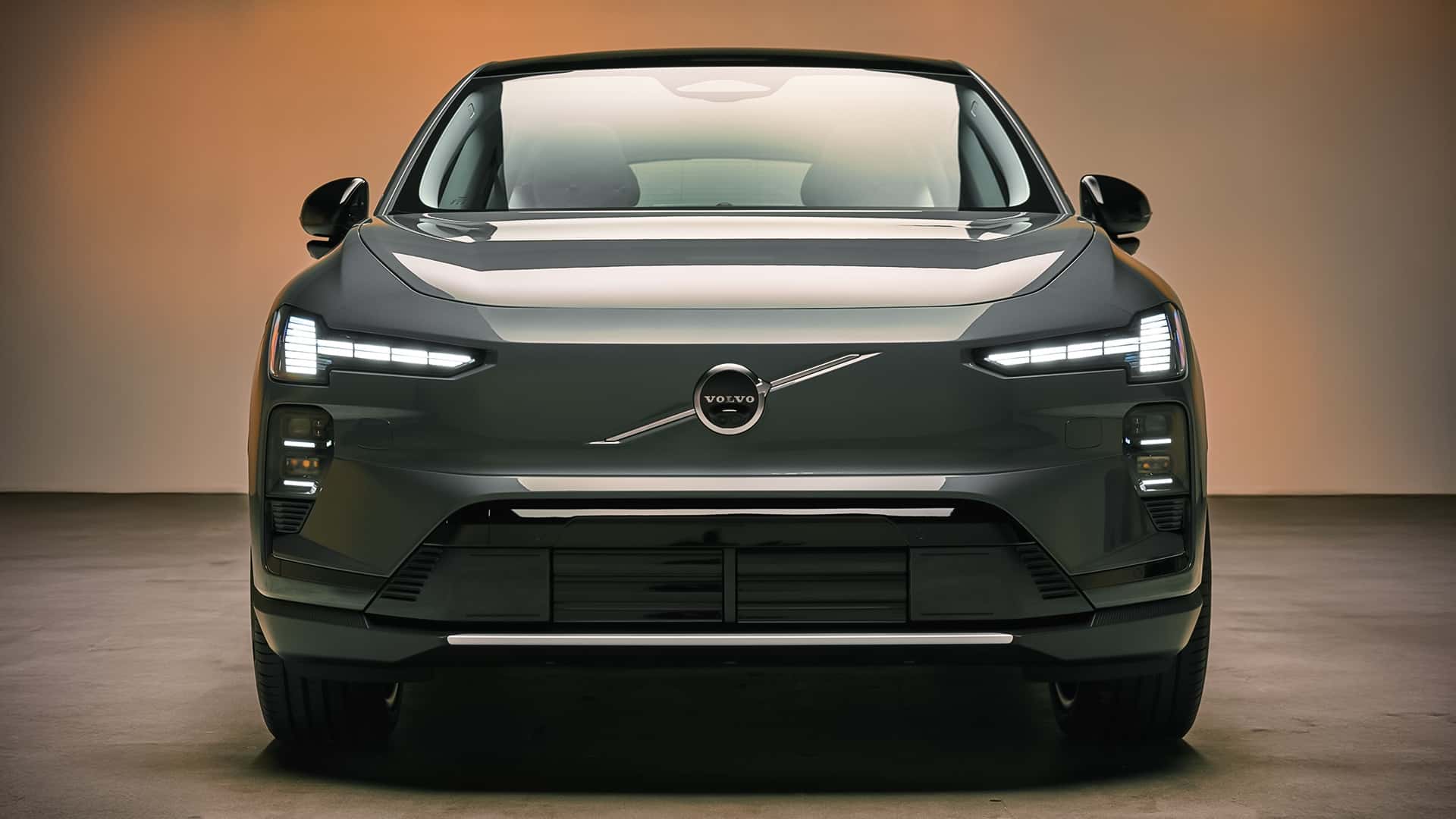
Photo · InsideEVs - Articles
The Carve-Out
The U.S. government banned Chinese hardware and software from connected vehicles — a rule that took shape under Biden and has been carried forward under Trump, applying to model year 2027 onward. The logic was national security. The concern was real enough to write into law.
Then Volvo got an exemption.
Not a delay. Not a waiver pending review. A special authorization to keep selling connected cars in the American market with Chinese hardware and software already built in. InsideEVs reported it as a pass to continue operating as-is. Ars Technica confirmed the government approval to bypass the ban outright. Both outlets covering the same fact from the same angle, because there's really only one way to read it: the rule has a door, and Volvo found it.
Now sit with that for a second.
If Chinese-sourced vehicle technology represents a genuine threat to national infrastructure — to data, to grid stability, to whatever scenario the security briefings describe — then the threat doesn't become smaller because one Swedish automaker's supply chain happens to run through it. The hardware doesn't behave differently because Volvo's parent company is headquartered somewhere with better PR in Washington. Either the risk is real, or it isn't.
What the Exemption Actually Says
What this tells you is that the ban is less a firewall than a pressure point. Rules written this way — broad prohibition, narrow carve-out available upon request — aren't really about elimination. They're about control. They're leverage in a longer negotiation, a mechanism that can be tightened or loosened depending on who's asking and what they're offering in return.
That's not cynicism. That's just how regulatory architecture works when the underlying goal is geopolitical positioning rather than categorical exclusion. The problem is that framing it as a security measure raises the stakes of the exception. You can't tell the public that Chinese-connected vehicle technology is a national threat and then hand out authorizations without explaining exactly why this instance is safe when the general case isn't.
No such explanation has been forthcoming — at least not in anything either source reported.
For Volvo, the practical effect is real and significant. They can continue selling in a major market without the cost and complexity of re-engineering their connected systems before the 2027 cutoff. That's not a small thing. Supply chains built around specific hardware don't pivot overnight, and the authorization likely keeps certain models commercially viable in the U.S. in the near term.
But zoom out, and the picture gets uncomfortable. Every other automaker navigating this ban — rerouting supply chains, renegotiating contracts, redesigning systems to comply — is watching a competitor absorb none of that friction. Whether Volvo's situation is genuinely unique or simply the result of asking the right way at the right time, the outcome is the same: an uneven playing field dressed up as a security framework.
The ban was supposed to be the line. Turns out the line has a gate.
And gates, historically, don't stay closed for everyone once someone figures out where the key is kept.
Keep reading cars.

800 Horsepower, One Ton of Doubt
Lamborghini built the most powerful SUV it's ever made. It's also slower than what it replaced.

£11,990 Draws a Line Under Every Excuse You Had Left
Dacia just made the cheapest new car in Britain electric — and that's not a footnote, it's a verdict.

Blanc Éternel Hides Its Speed Behind a Gas Cap
Bugatti built a 261-mph roadster and made sure you'd notice the porcelain first.
From the other desks.

Gold Leaf on a Lacquer Dial, and the Weight of What That Costs
Awake's Frosted Leaf Royal Blue asks a question Vietnamese craft has never quite had to answer at this price.

ESPN Named Him. Then Unnamed Him. Nobody's Explaining the Gap.
A retraction without a reckoning is just a deleted link.

Hide My Email Has Been Showing Your Email
Apple's privacy flagship has a hole in it. They've known for over a year.