Dennison Keeps Asking the Same Question. The Answers Keep Getting Better.
A second collaboration with Collectability suggests something quieter and more interesting than hype: independent makers are rewriting where design permission comes from.
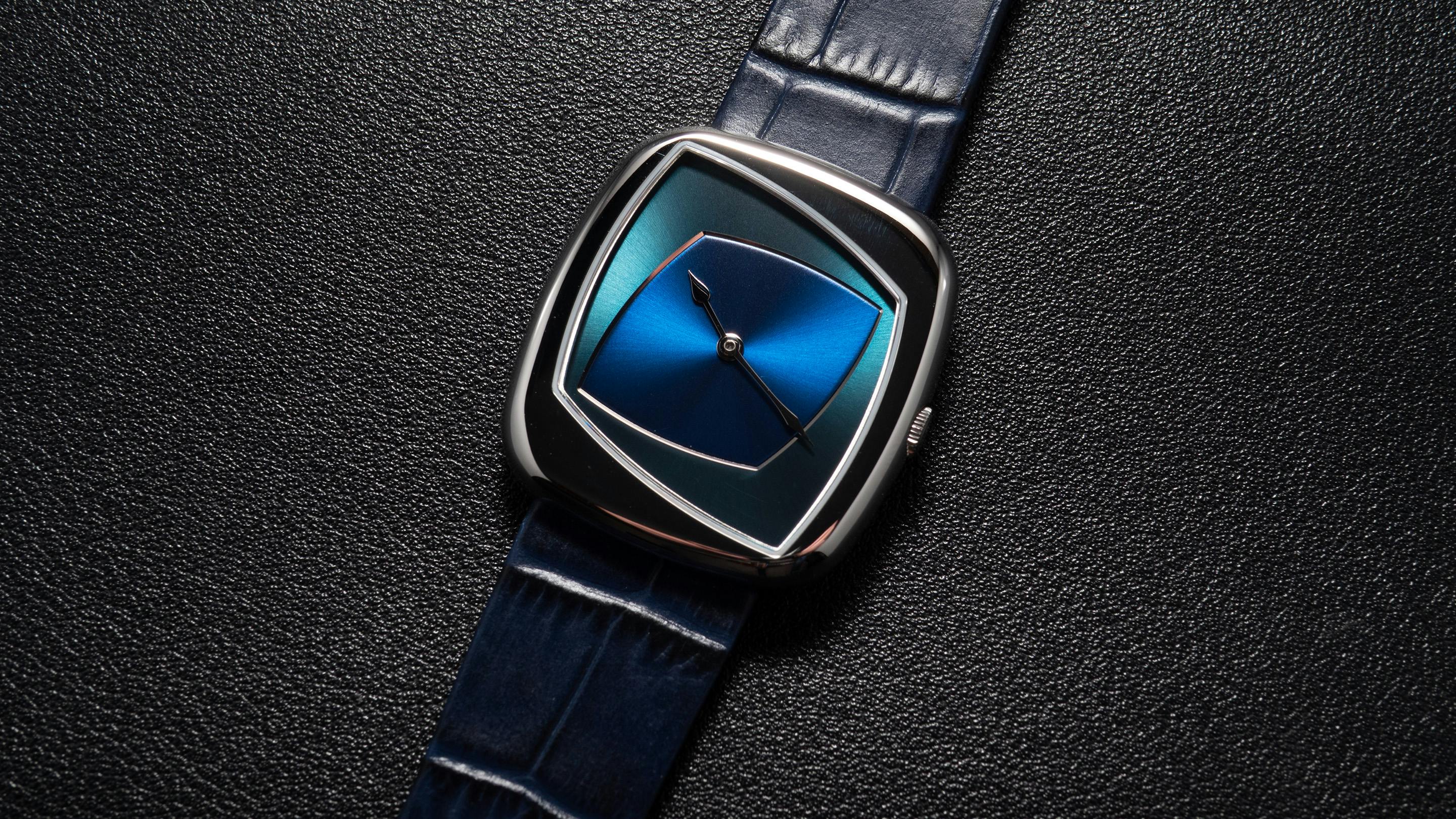
Photo · Hodinkee
There's a version of this story that writes itself — limited edition, asymmetric case, sub-thousand dollars, one week to buy it. Watches media runs it, Instagram amplifies it, it sells out, the cycle continues. But the Dennison and Collectability Oblique Collection is doing something that format doesn't quite capture.
This is a second act. And second acts are where you find out what someone actually believes.
The Collaboration, and What It Carries
The first partnership produced the ALD editions. Now, according to coverage across Hodinkee, GQ, and Fratello, Dennison and Collectability are back with a new asymmetric design called the Oblique Collection — four watches built around shapes drawn from 1960s-era sensibility, developed by designer Emmanuel Gueit alongside John Reardon, a Patek Philippe specialist who brings a very particular kind of institutional knowledge to this kind of project.
Fratello got hands-on with the pieces. Two of the four stand out in the coverage: the Oblique Enigma, which carries a stepped dial connecting it directly to last year's ALD work, and the Oblique Vector, which uses a sunburst dial with subtle printing. Hodinkee notes the collection is available on a one-week pre-order window. GQ frames it simply as another shot at something cool that most people can actually afford.
All three outlets agree on the price point: under a thousand dollars.
That number matters, but not in the way it usually gets discussed.
Where Design Permission Comes From
For a long time, asymmetric case design lived almost exclusively in the catalogs of established houses — shapes with heritage behind them, price tags that reflected decades of mythology as much as craft. The asymmetric watch said: I know my references. I can afford to know them.
What Dennison and Collectability are doing is something different. Gueit and Reardon aren't borrowing the language of 1960s case design as a nod to connoisseurship. They're using it as a starting point for something that stands on its own — and they're releasing it through a pre-order window, in limited numbers, at a price that doesn't require anyone to rationalize the purchase for three months.
The design permission here isn't coming from heritage. It's coming from the makers themselves. From an independent designer and a specialist who has spent years inside the world of high watchmaking and apparently decided he wanted to make something outside it.
That shift — from heritage-as-authority to maker-as-authority — is the real story. Not just of this collection, but of what's been quietly building in the sub-thousand-dollar watch space for several years now.
The interesting thing about the Oblique Collection is that it doesn't feel like a novelty. It doesn't feel like an affordable approximation of something more expensive. Fratello's hands-on read suggests these are watches made with genuine design conviction — a stepped dial that echoes previous work, a sunburst finish that earns its own attention. These are choices, not concessions.
GQ calls it one of 2025's coolest watches. That's a casual framing, but there's something true inside it: the fact that a sub-thousand-dollar asymmetric watch can be discussed in the same breath as the year's most interesting releases — without qualification, without the usual asterisks about value-for-money — represents a genuine change in the room.
A second collaboration doesn't happen unless the first one meant something. It means Reardon is serious about this channel. It means Gueit has more to say. And it means that whatever Dennison is building, it isn't a one-time experiment.
Watch what they do with the third one.
Keep reading fashion.

Gold Leaf on a Lacquer Dial, and the Weight of What That Costs
Awake's Frosted Leaf Royal Blue asks a question Vietnamese craft has never quite had to answer at this price.
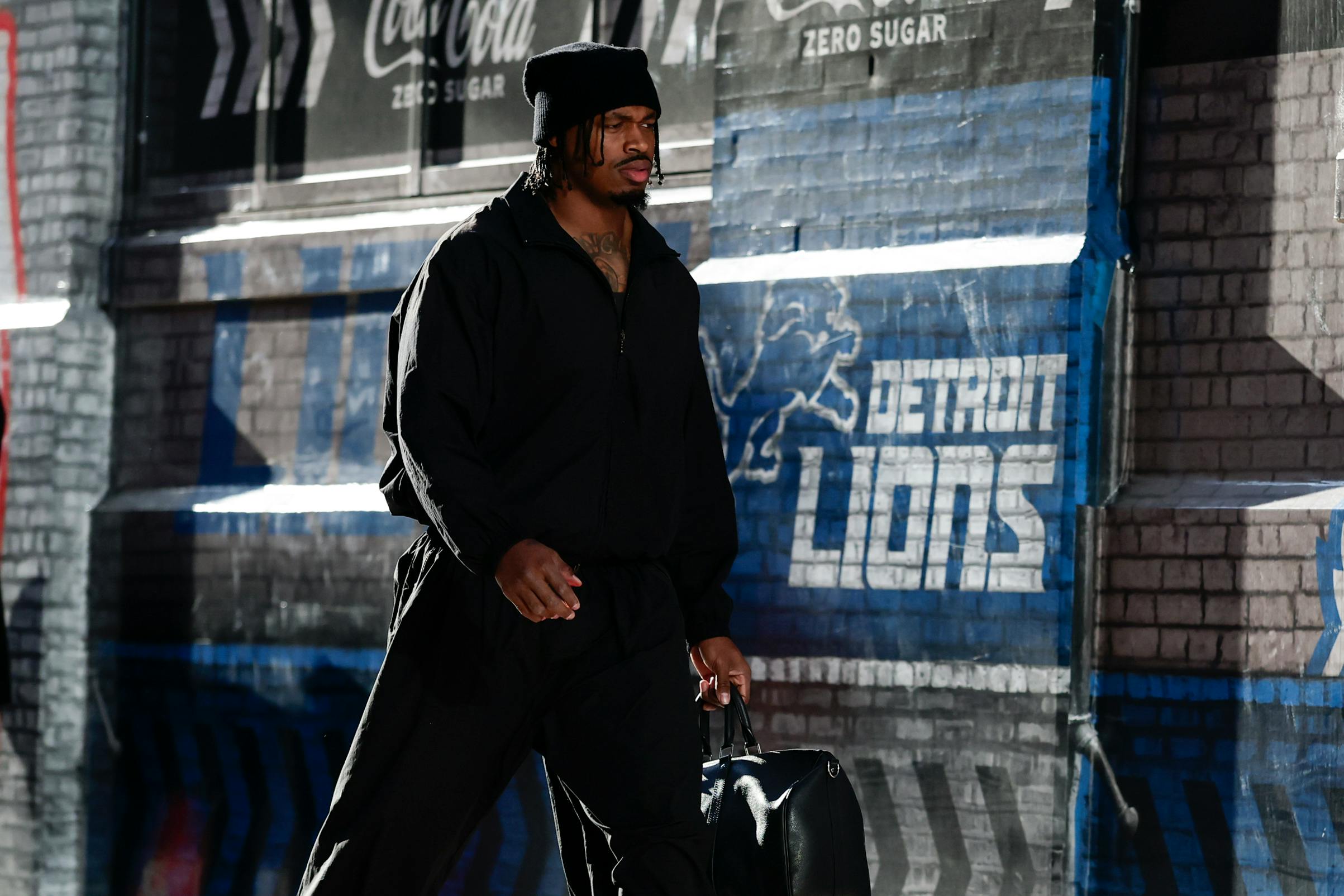
Kyle Smith Has a Job Title That Didn't Exist Before. That's the Whole Tell.
When the NFL hires a fashion editor, it's not about clothes — it's about who gets to decide what matters.
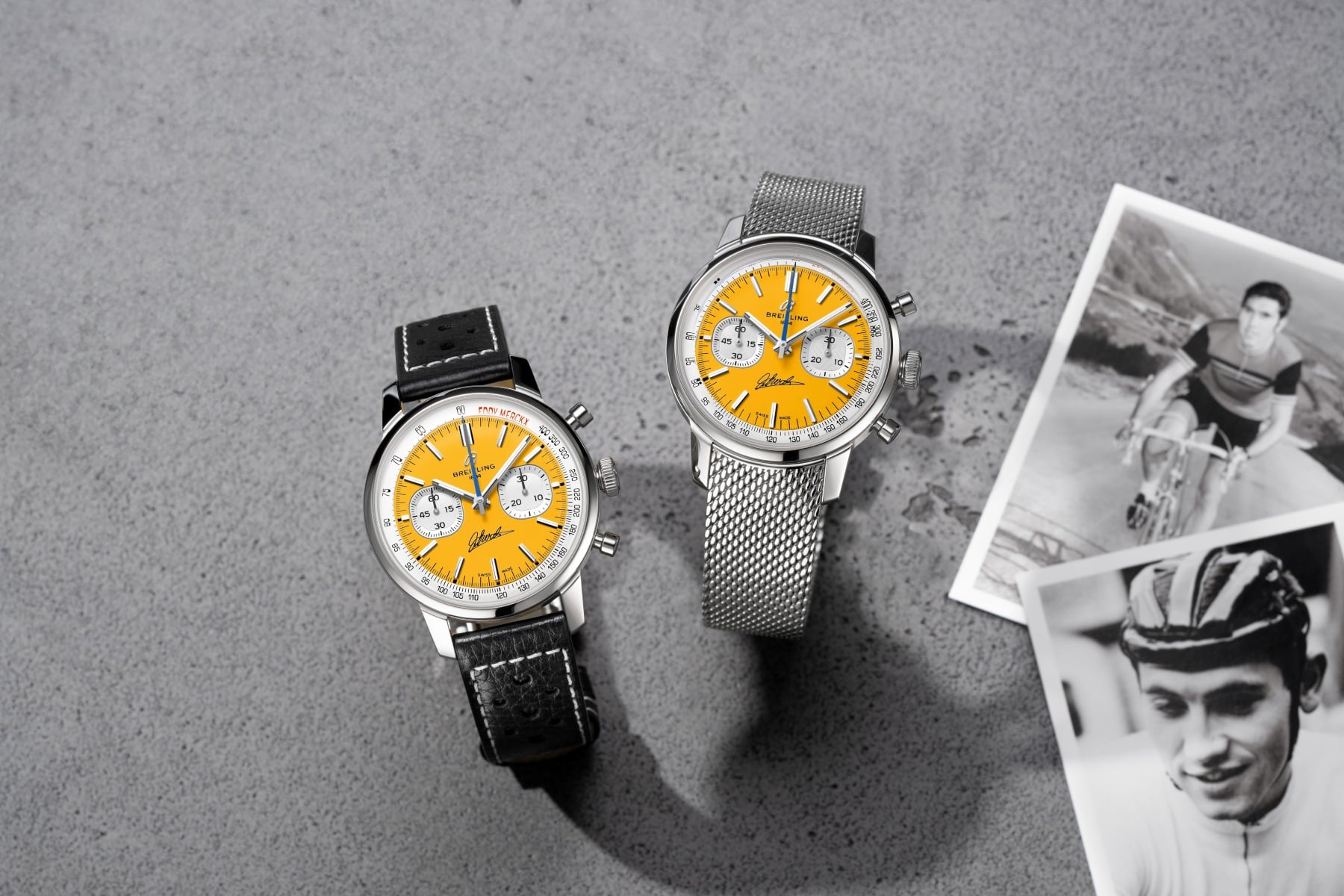
525 Victories, One Dial, and Cycling's Long Wait for a Wrist
Breitling's Eddy Merckx edition doesn't just reference a legend — it asks whether motorsport's younger sibling has finally earned its place in serious watch culture.
From the other desks.

800 Horsepower, One Ton of Doubt
Lamborghini built the most powerful SUV it's ever made. It's also slower than what it replaced.

ESPN Named Him. Then Unnamed Him. Nobody's Explaining the Gap.
A retraction without a reckoning is just a deleted link.

Hide My Email Has Been Showing Your Email
Apple's privacy flagship has a hole in it. They've known for over a year.