Tim Kuniskis Named Four Cars Out Loud. Now Stellantis Has to Build Them.
When the head of American brands goes on record with four years of product, that's not a roadmap — it's a bet.
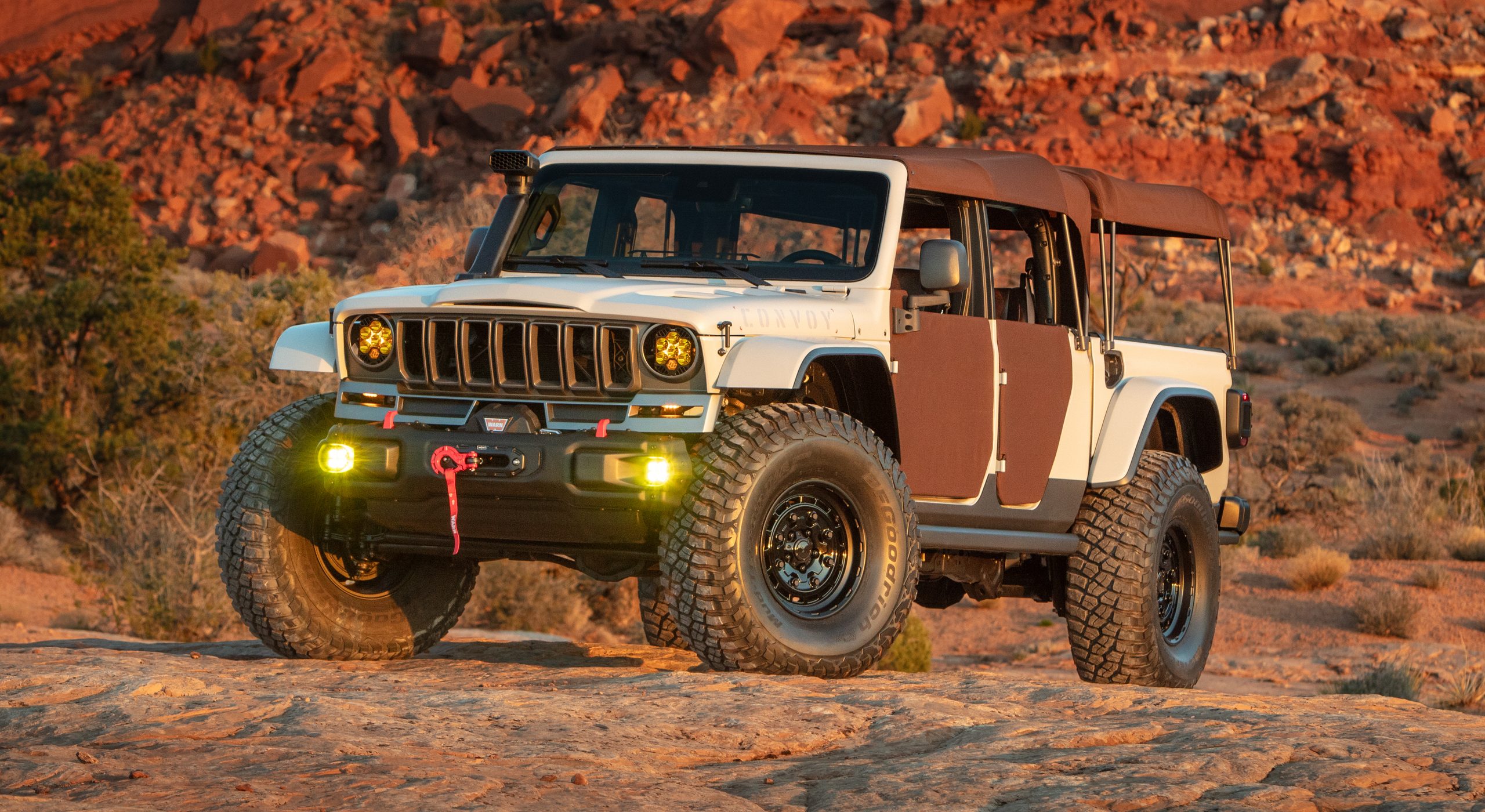
Photo · The Drive
There's a version of this story where Tim Kuniskis sits across from a journalist, names four cars, and nothing happens. The announcements dissolve into the news cycle. The names become trivia questions. That version exists for most automakers.
This doesn't feel like that version.
Kuniskis — Ram CEO and head of American brands for Stellantis — gave The Drive two separate exclusive conversations about what's coming. Not hints. Not concepts. Names, layouts, configurations, four years of product laid out on the record. The Copperhead. The Scrambler SRT. The Rumble Bee Hellcat truck. A Jeep Scrambler with a bed engineered to be larger than a Gladiator's, achieved through reversible seats and a removable cap. Specific enough to be held accountable. That's the tell.
When Specificity Is the Strategy
The bed story is actually the more interesting one, mechanically. Most people hear "Scrambler" and picture a lifestyle object — something to photograph on a trail. But Kuniskis walked The Drive through the actual engineering logic: how the seat geometry and removable cap combine to produce more usable bed space than the Gladiator. That's not marketing language. That's a product argument, stated plainly, in the language of people who use trucks for things.
It matters because it suggests someone at Stellantis decided the Scrambler had to earn its position rather than just occupy it. The Gladiator already exists. A new Scrambler that's merely adjacent to it — same bed, different badge — is a portfolio problem. A Scrambler with a demonstrably larger, more configurable bed is a reason to choose.
The SRT variant and the Hellcat truck are a different kind of signal. Those are names built for noise — and Kuniskis knows it, which is why he's the right person to be saying them out loud. He built the Hellcat franchise. He understands what a name like that does to a certain kind of buyer before a single spec sheet exists. It creates anticipation that functions as pre-sold loyalty. You're not buying a car, you're buying the confirmation that the car you already imagined is real.
The Copperhead Problem
The Copperhead is the one I keep returning to. A new sports car nameplate, on record, four years out. That's an enormous amount of time for a brand to carry a promise. Markets shift. Leadership changes. Programs get cancelled quietly while the internet forgets the announcement ever happened.
Going on record the way Kuniskis did — not in a vague keynote gesture but in a sit-down conversation with specifics — is either confidence or pressure, and it might be both. Confidence that the program survives the timeline. Pressure on every person below him to make sure it does.
The cynical read is that Stellantis is trading on names and nostalgia while the actual engineering catches up. Hellcat everything. Bring back the Scrambler. Revive old muscle car logic and attach it to trucks and SUVs and whatever the Copperhead turns out to be. The portfolio as a greatest hits compilation.
The less cynical read — and I think this one is closer — is that Kuniskis understands his buyers in a way a lot of brand executives don't. These are people who bought into an identity. The Hellcat badge, the Scrambler silhouette, the idea of an American sports car called Copperhead — they're not just products, they're membership cards. Naming them loudly, early, on the record, is how you tell those people the club is still open.
Four years is a long time to keep a promise. But the promise is now public.
Keep reading cars.

800 Horsepower, One Ton of Doubt
Lamborghini built the most powerful SUV it's ever made. It's also slower than what it replaced.

£11,990 Draws a Line Under Every Excuse You Had Left
Dacia just made the cheapest new car in Britain electric — and that's not a footnote, it's a verdict.
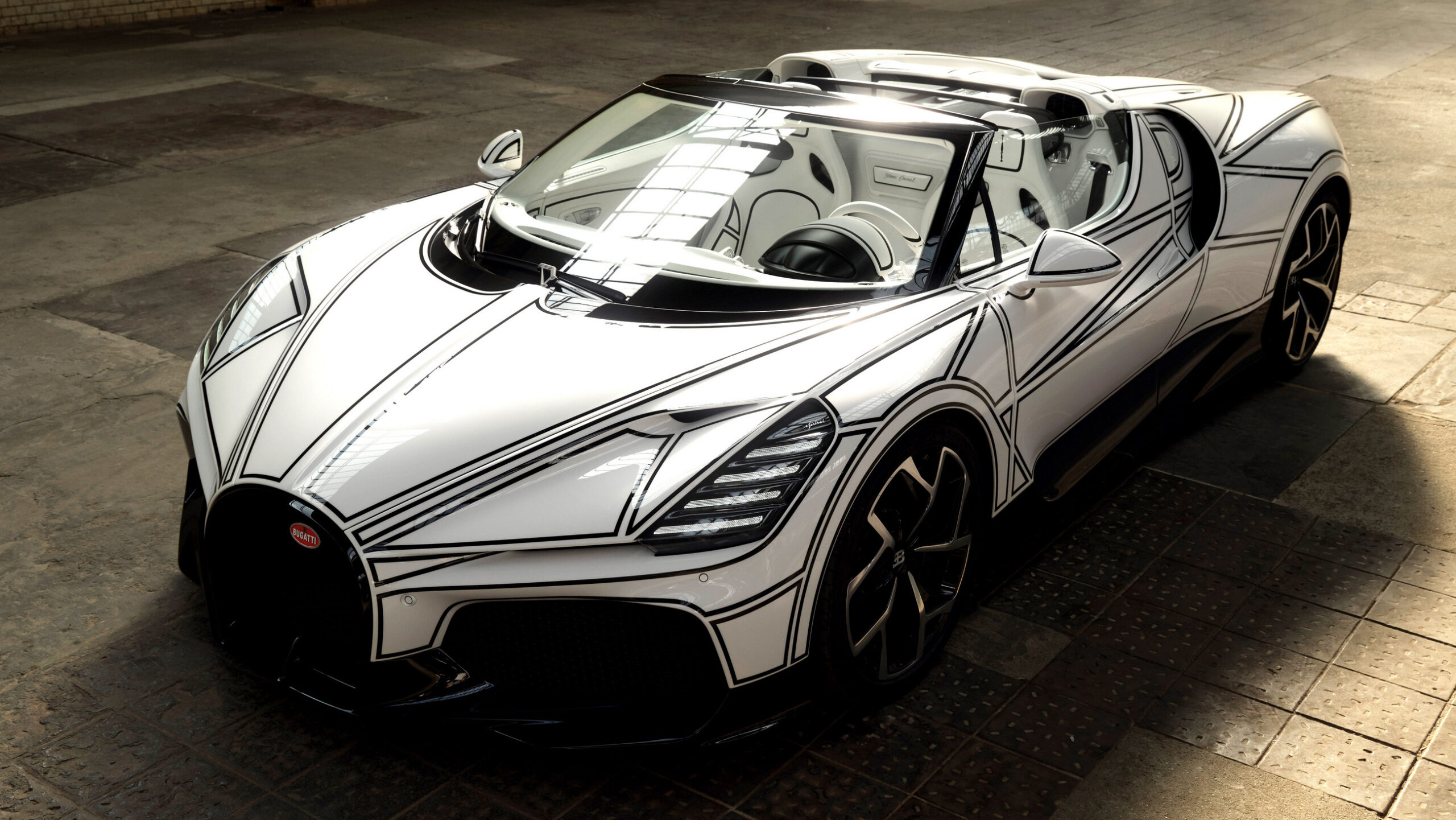
Blanc Éternel Hides Its Speed Behind a Gas Cap
Bugatti built a 261-mph roadster and made sure you'd notice the porcelain first.
From the other desks.

Gold Leaf on a Lacquer Dial, and the Weight of What That Costs
Awake's Frosted Leaf Royal Blue asks a question Vietnamese craft has never quite had to answer at this price.

ESPN Named Him. Then Unnamed Him. Nobody's Explaining the Gap.
A retraction without a reckoning is just a deleted link.

Hide My Email Has Been Showing Your Email
Apple's privacy flagship has a hole in it. They've known for over a year.