Mazda's Best Month Wasn't the One Anyone Planned For
A 60% jump in MX-5 sales while the crossovers stumbled is not a fluke. It's a verdict.
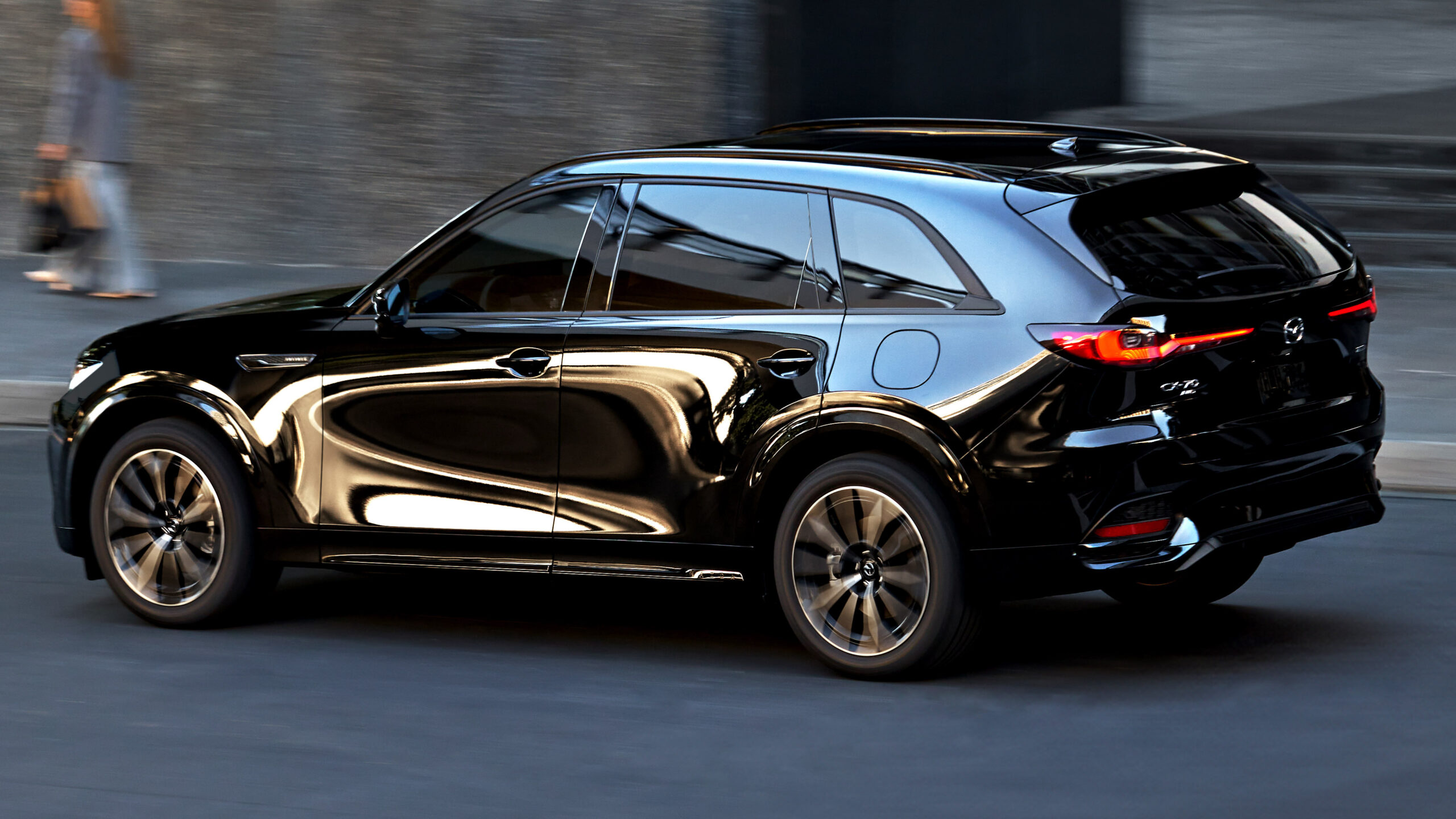
Photo · Carscoops
The Numbers Don't Lie, Even When They Embarrass You
Somebody at Mazda is staring at April's sales report and feeling two things simultaneously: vindication and confusion. The MX-5 Miata — a two-seat roadster that holds approximately zero groceries, offers no all-wheel-drive option, and starts well below the forty-thousand-dollar crossovers sitting unsold on lots — jumped sixty percent. The CX-70 and CX-90, the big bets, the family-haulers, the vehicles that were supposed to justify Mazda's push upmarket? Down. Significantly.
A writer at Carscoops staked out this contrast plainly, and they're right to. The numbers are doing something more interesting than telling a sales story. They're surfacing a confession that the market has been sitting on for years.
Buyers, when given the option, went back to the thing that drives.
What a Roadster Surge Actually Means
The conventional wisdom has been that sports cars are dying — slowly, politely, replaced by crossovers that offer more of everything except the one thing a roadster actually offers. More cargo room. More ground clearance. More seats. More practicality. The crossover became the default answer to a question nobody was really asking, which is: what if a car tried to be everything at once?
The MX-5 has never tried to be everything. It is light. It is small. It puts the engine up front and the fun at the back, and it has not deviated from that formula in a way that would embarrass its own past. That consistency — that refusal to apologize for being exactly one thing — reads differently in 2025 than it did in years when the market was still chasing size.
Sixty percent is not a seasonal blip. That's buyers making a deliberate choice. Someone walked past the CX-70 — which, to be clear, is a capable machine with a real interior and real technology — and kept walking until they found the two-seater. That takes conviction. That takes someone who has thought about what a car is actually for.
Mazda's crossover slump is its own story, partly tied to pricing that positioned those vehicles against German competitors with longer brand histories in that territory. But the MX-5's surge is a separate story, and it runs in the opposite direction. It says that somewhere in the buyer calculus, fun stopped being the thing you sacrifice for practicality and started being the thing you come back to when practicality has let you down.
There's something worth sitting with in the idea that Mazda's most emotionally honest vehicle is outperforming its most commercially ambitious ones. The roadster wasn't built to move the needle. It was built because some cars should exist regardless of whether they move the needle. April decided to reward that position.
The crossover future isn't dead. But it's on notice from a car that weighs less than most of its competitors' options packages.
Keep reading cars.

800 Horsepower, One Ton of Doubt
Lamborghini built the most powerful SUV it's ever made. It's also slower than what it replaced.

£11,990 Draws a Line Under Every Excuse You Had Left
Dacia just made the cheapest new car in Britain electric — and that's not a footnote, it's a verdict.
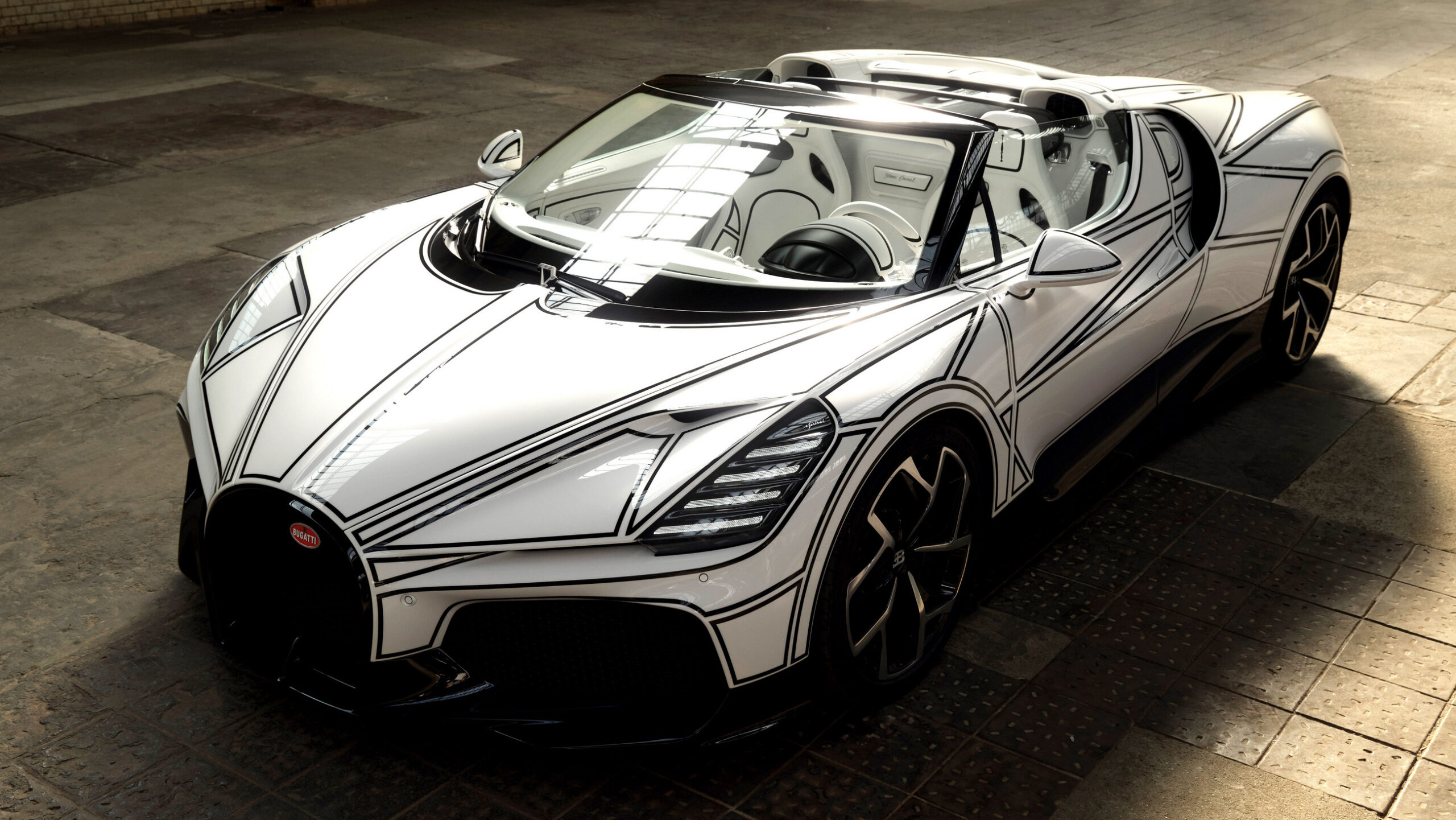
Blanc Éternel Hides Its Speed Behind a Gas Cap
Bugatti built a 261-mph roadster and made sure you'd notice the porcelain first.
From the other desks.

Gold Leaf on a Lacquer Dial, and the Weight of What That Costs
Awake's Frosted Leaf Royal Blue asks a question Vietnamese craft has never quite had to answer at this price.

ESPN Named Him. Then Unnamed Him. Nobody's Explaining the Gap.
A retraction without a reckoning is just a deleted link.

Hide My Email Has Been Showing Your Email
Apple's privacy flagship has a hole in it. They've known for over a year.