The Bird That Doesn't Apologize
Every other automaker treats electrification like penance. Rolls-Royce built a 19-foot convertible to prove it doesn't have to be.
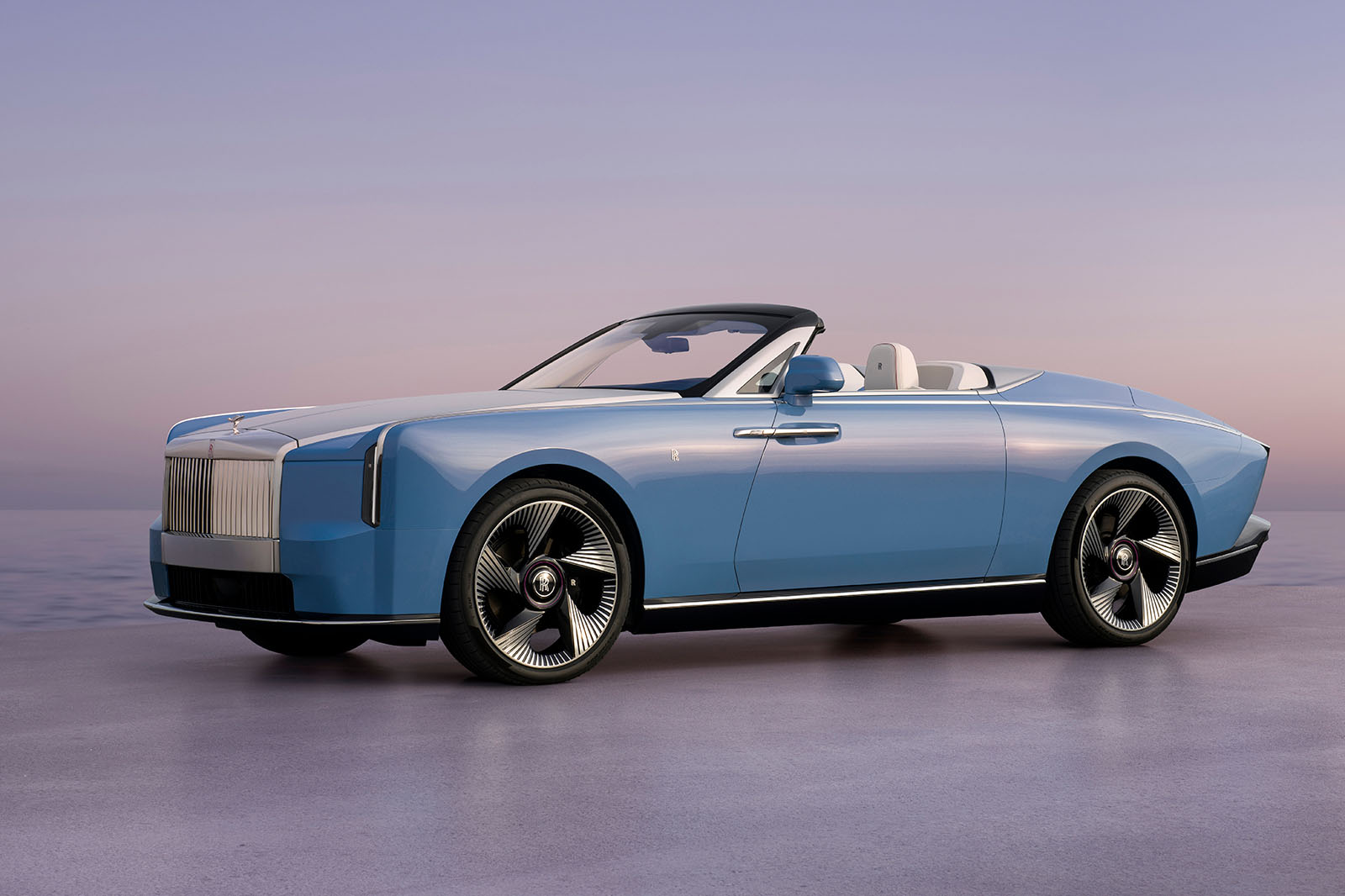
Photo · Autocar RSS Feed
The Question Nobody Asked
Somewhere in the coverage of the Rolls-Royce Project Nightingale — across four different outlets, four different writers, four different angles on the same machine — there is a word that never appears. That word is compromise.
Think about that for a moment. Think about how every conversation around electric vehicles for the past decade has been structured around sacrifice. Range anxiety. Charging infrastructure. The vanishing engine note. The moral arithmetic of giving something up in exchange for doing the right thing. The entire cultural posture of the EV era has been one of negotiation — you surrender a little pleasure, a little soul, and in return the planet forgives you slightly. It has been, whether anyone admits it or not, a transaction framed as virtue.
Then Rolls-Royce unveiled a two-seat, fully electric, open-top car nearly 19 feet long, limited to 100 examples, priced from around £7 million — and probably considerably more once the bespoke options start stacking — and the conversation shifted entirely. Not because the car is fast, or efficient, or represents some engineering breakthrough that will trickle down to the rest of us. But because it doesn't pretend electrification is a moral reckoning. It treats the electric powertrain the way a couturier treats a new fabric: as a canvas, nothing more, nothing less.
Art Deco Never Left
The Nightingale is described across the coverage as a throwback to the Art Deco era, and there's something almost defiant about that. Art Deco was never humble. It was the aesthetic of a world that had survived catastrophe and decided, collectively, that beauty was not optional — that grandeur was, in fact, a kind of answer. To look at the Nightingale through that lens is to understand what Rolls-Royce is actually saying with this car. They are not saying we've adapted. They are saying nothing essential has changed.
The Goodwood-based firm calls this the first product of something it's naming the Coachbuild Collection — a new line of ultra-exclusive models that, according to Autocar's coverage, will arrive every two to three years and will, Rolls-Royce claims, influence how the company designs all its cars going forward. That last part is worth sitting with. This isn't a one-off fever dream. It's a statement of direction. The Nightingale is the first word in a new sentence, not a footnote.
Deliveries are set to begin in 2028, according to Motoring Research. One hundred people will eventually take possession of something nearly 19 feet of open-air, electrically propelled intention. I keep thinking about what that drive actually feels like — not the speed, not the specs, but the silence. The wind over the hood. The absence of an engine's conversation. Whether that silence feels like loss or like arrival probably says more about the driver than the car.
What the Coverage Keeps Missing
Here is the meta-observation, the thing that floats above all four pieces without any of them quite landing on it directly: the Nightingale is not a luxury car that happens to be electric. It is a deliberate argument that electrification doesn't require a new value system.
Every other manufacturer selling an expensive EV has, at some level, asked you to feel good about your choice. To see the badge differently. To understand that the planet is part of the transaction. Even the most performance-oriented electric vehicles come wrapped in a narrative of progress, of moving forward, of leaving combustion behind like a bad habit finally kicked.
Rolls-Royce didn't write that story. They wrote a different one entirely — one set in the Art Deco era, stretched to nearly 19 feet, built in a run of exactly 100, priced at a number that makes the concept of justification irrelevant. There is no justification at £7 million. There is only desire, and the resources to answer it.
That is either deeply refreshing or faintly troubling, depending on where you stand. I find myself somewhere in the middle, which is unusual for a car story. Usually I know how I feel.
The Canvas and the Bird
The name matters. A nightingale doesn't sing because it's useful. It doesn't negotiate its song or apologize for its volume in the dark. It sings because that is what it is — and if you happen to be awake to hear it, that's your good fortune.
Rolls-Royce named this car deliberately. They are telling you exactly what they think it is: not a product of the energy transition, not a compliance statement, not a bridge between eras. A nightingale. A thing that exists entirely on its own terms, indifferent to whether the moment is convenient for it.
The Coachbuild Collection, if it follows through on its every-two-to-three-years promise, will be a recurring argument for this philosophy. The Nightingale is just the opening note.
Whether the rest of the automotive world is listening is another question. Whether it should be is the one worth losing sleep over.
Keep reading cars.

800 Horsepower, One Ton of Doubt
Lamborghini built the most powerful SUV it's ever made. It's also slower than what it replaced.

£11,990 Draws a Line Under Every Excuse You Had Left
Dacia just made the cheapest new car in Britain electric — and that's not a footnote, it's a verdict.
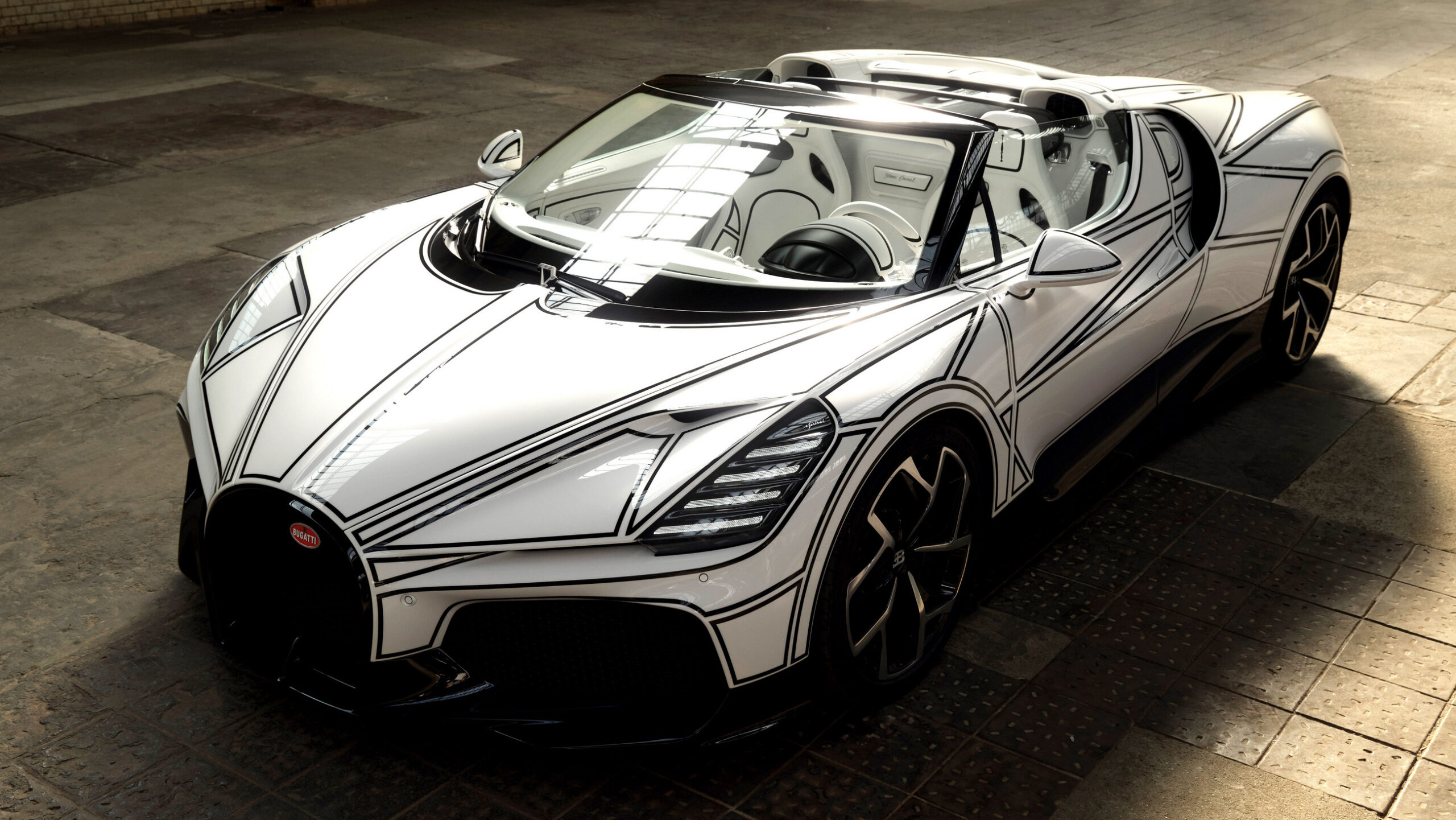
Blanc Éternel Hides Its Speed Behind a Gas Cap
Bugatti built a 261-mph roadster and made sure you'd notice the porcelain first.
From the other desks.

Gold Leaf on a Lacquer Dial, and the Weight of What That Costs
Awake's Frosted Leaf Royal Blue asks a question Vietnamese craft has never quite had to answer at this price.

ESPN Named Him. Then Unnamed Him. Nobody's Explaining the Gap.
A retraction without a reckoning is just a deleted link.

Hide My Email Has Been Showing Your Email
Apple's privacy flagship has a hole in it. They've known for over a year.