Tesla Sold the Future. Courts Are Starting to Bill for It.
From a Beijing courtroom to a California judgment that took weeks to collect, the FSD gap between promise and pavement is no longer just a software problem.

Photo · Electrek
There's a particular kind of confidence required to name something "Full Self-Driving" and then spend years explaining why it isn't, quite, that. Not yet. Soon, though. The hardware is there. Trust the hardware.
Courts are running out of patience with that explanation.
The Cases
A Beijing court recently held its first hearing on a consumer fraud lawsuit against Tesla, with ten owners collectively seeking more than 3.95 million yuan — roughly $583,000 — in damages over FSD promises the software never kept. The case, which began with seven plaintiffs before growing, represents something new: China's first collective legal challenge aimed specifically at what Tesla said FSD would do versus what owners actually got behind the wheel.
Meanwhile, in the United States, a Tesla owner named Ben Gawiser won a $10,600 judgment over FSD's failure to deliver. That number is modest compared to the Chinese filing. What makes it interesting is what happened after: Tesla kept pushing to delay payment, stretching the process out even after losing. He eventually got his money. But the fight to collect it — days at a time — says something about how seriously the company treated the obligation.
Two jurisdictions. Two scales. One pattern.
What the Software Can't Cover
The word "fraud" is doing heavy lifting in both cases. It implies that the gap between what was marketed and what was delivered wasn't a technical shortfall — it was a misrepresentation. That's a harder charge to defend against than "we're still working on it," which is more or less what Tesla's public posture has been for years. Electrek notes that Tesla has been selling the promise of self-driving vehicles for over a decade, including claims that every car it produced carried all the hardware necessary. The promise was baked into the purchase.
And here's where it gets uncomfortable for the company: a promise embedded in a transaction isn't a vision statement. It's a term. Courts read terms.
What none of this touches, though, is the other story running parallel — the Autocar writer who spent time with Tesla's new Grok AI voice assistant and came away genuinely impressed, calling it the best automotive innovation in years. Running advice. Charger locations. Conversational and fast. The piece is enthusiastic in a way that feels earned, not performed. So Tesla's in-car software is, by at least one account, genuinely advancing in meaningful directions.
That's the uncomfortable part of the picture. The company that is being sued for overpromising on autonomy is simultaneously shipping features that real drivers are actually excited about. The innovation is real. The accounting for past promises is also real. Both can be true, and right now both are playing out in public at the same time.
The liability and the capability are running on separate tracks, and the courts aren't waiting for them to converge.
A $10,600 judgment is small. A $583,000 collective filing in Beijing is larger but still, in the context of Tesla's scale, not catastrophic on its own. What neither figure captures is the precedent being built — the slowly accumulating legal record that "Full Self-Driving" was not a good-faith estimate but a specific, checkable claim. Once that record exists, it doesn't go away.
You can delay payment for a few days. You can't delay what's already on file.
Keep reading cars.

800 Horsepower, One Ton of Doubt
Lamborghini built the most powerful SUV it's ever made. It's also slower than what it replaced.

£11,990 Draws a Line Under Every Excuse You Had Left
Dacia just made the cheapest new car in Britain electric — and that's not a footnote, it's a verdict.
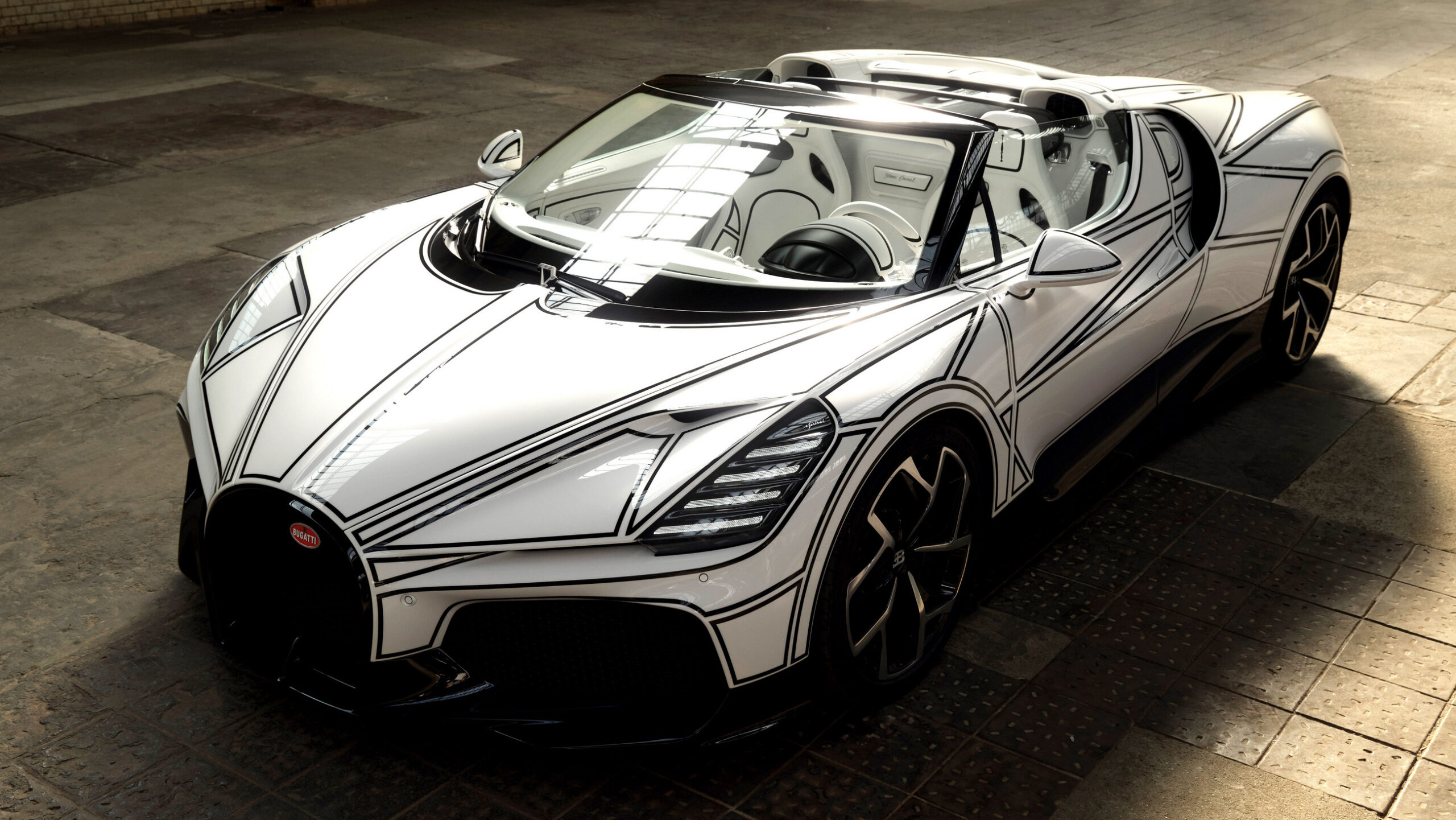
Blanc Éternel Hides Its Speed Behind a Gas Cap
Bugatti built a 261-mph roadster and made sure you'd notice the porcelain first.
From the other desks.

Gold Leaf on a Lacquer Dial, and the Weight of What That Costs
Awake's Frosted Leaf Royal Blue asks a question Vietnamese craft has never quite had to answer at this price.

ESPN Named Him. Then Unnamed Him. Nobody's Explaining the Gap.
A retraction without a reckoning is just a deleted link.

Hide My Email Has Been Showing Your Email
Apple's privacy flagship has a hole in it. They've known for over a year.