Vettel Didn't Need the Gap. He Needed You to Know He Had It.
A veteran F1 journalist just named the thing that separated Vettel from everyone else — and it was never about the car.
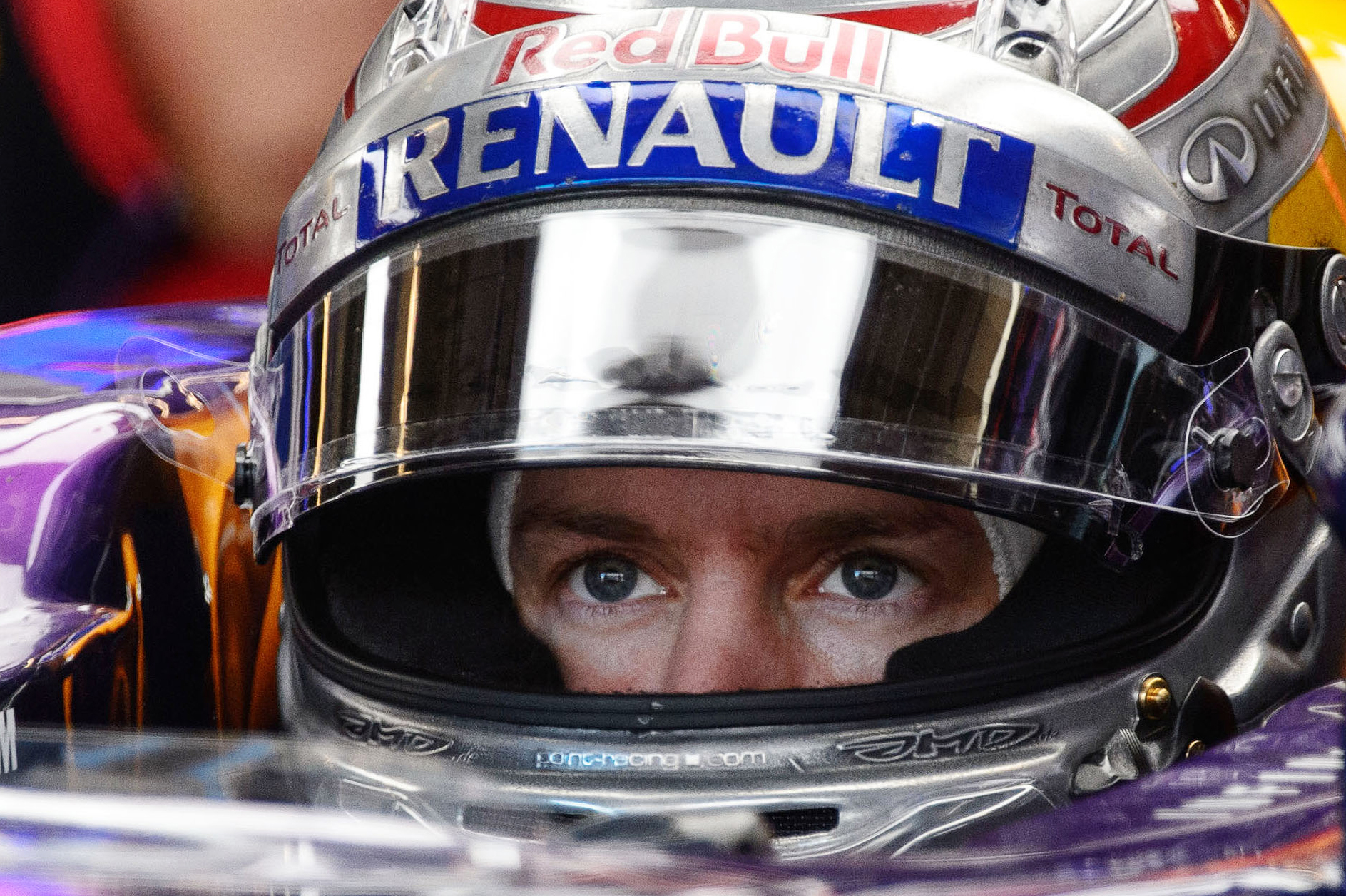
Photo · MotorBiscuit
Mark Hughes has been watching Formula 1 long enough to know the difference between fast and untouchable. A piece at MotorBiscuit leans on his read of Sebastian Vettel, and the quote at the center of it deserves a moment of stillness: Vettel would get to the front, open a devastating gap in the first two or three laps, and then simply monitor it — staying just out of reach, never further, never closer.
That's not a race strategy. That's psychological warfare with a steering wheel.
The Gap Was the Message
What the MotorBiscuit piece is really circling is the idea that Vettel's dominance operated on two tracks simultaneously: the physical one, and the one inside every other driver's helmet. You can outpace a competitor. It's much harder to convince them, lap after lap, that closing the gap isn't worth the tire wear it would cost. That's what a maintained, monitored gap does — it isn't a buffer, it's a statement. I see you. I'm not worried about you. Don't bother.
The interesting thing about this take landing now is what it implicitly argues about how we talk about F1 dominance at all. The conversation almost always defaults to machinery. Downforce numbers, power unit reliability, aerodynamic philosophy — as if the driver is the last variable anyone wants to account for, because it's the hardest one to quantify. Hughes pointing at Vettel's gap management is an act of correction. He's saying: watch the man, not just the car.
And he has a point worth sitting with. There were other drivers in competitive machinery during Vettel's peak years. None of them ran the same psychological program he did. The car gives you the capability to open a gap. It does not tell you how wide to make it, or when to stop pulling, or how to read the pit wall's data and translate it into a pace that keeps a rival on the edge of belief without ever letting them tip into certainty. That's a skill that lives somewhere between instinct and calculation, and it's genuinely rare.
What No Development Budget Buys
There's a version of this observation that becomes a cliché fast — the whole "champions make their own luck" line of thinking. The MotorBiscuit piece avoids that trap by staying specific. It's not arguing Vettel was the greatest of all time, or that raw speed didn't matter. It's pointing at one precise behavior: the discipline to stop accelerating once the gap did its work, and the mental clarity to trust that restraint when every instinct in a racing driver screams more.
That discipline has a cost. You're managing tires, managing fuel load, managing the psychological temperature of a chase that you're actively keeping alive at a controlled distance. Close enough to feel threatening. Far enough that catching you requires something the chasing driver hasn't quite got. It's almost cruel in its precision.
F1 will keep pouring money into simulation, into CFD, into materials that shave fractions of seconds off lap times in sector two of tracks that haven't changed in thirty years. All of that matters. But what Hughes identified — and what the piece at MotorBiscuit is right to amplify — is that at the front of the grid, where the machinery converges toward theoretical limits, the variable that separates winners from nearly-winners is the one you can't dyno test.
Vettel didn't just drive fast. He drove at exactly the speed that broke people.
Keep reading cars.

800 Horsepower, One Ton of Doubt
Lamborghini built the most powerful SUV it's ever made. It's also slower than what it replaced.

£11,990 Draws a Line Under Every Excuse You Had Left
Dacia just made the cheapest new car in Britain electric — and that's not a footnote, it's a verdict.

Blanc Éternel Hides Its Speed Behind a Gas Cap
Bugatti built a 261-mph roadster and made sure you'd notice the porcelain first.
From the other desks.
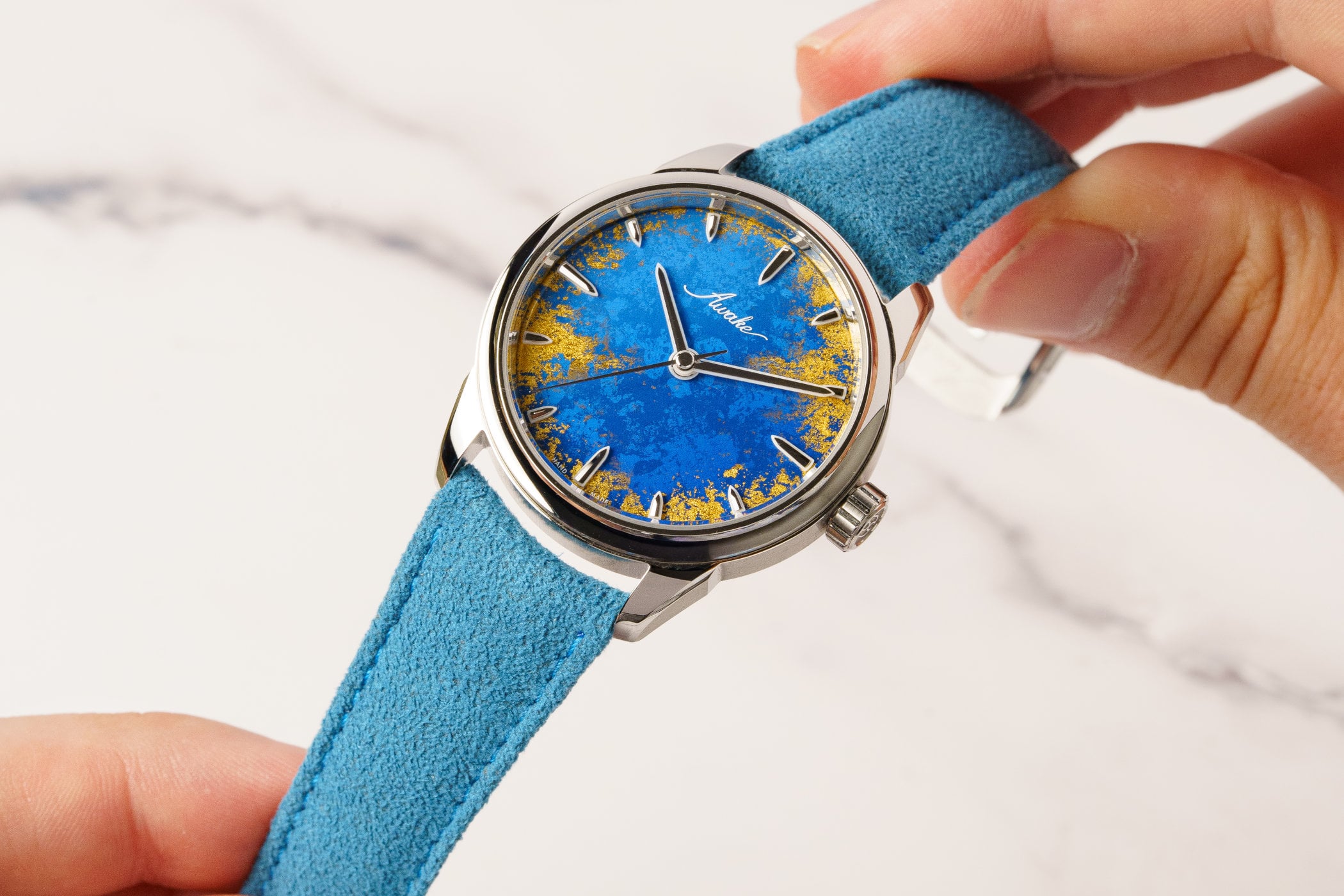
Gold Leaf on a Lacquer Dial, and the Weight of What That Costs
Awake's Frosted Leaf Royal Blue asks a question Vietnamese craft has never quite had to answer at this price.
ESPN Named Him. Then Unnamed Him. Nobody's Explaining the Gap.
A retraction without a reckoning is just a deleted link.

Hide My Email Has Been Showing Your Email
Apple's privacy flagship has a hole in it. They've known for over a year.