Three Teams, Three Lifelines, One Season to Get It Right
The 2026 F1 driver market isn't a reshuffling — it's a stress test for whether ambition alone can hold a team together.
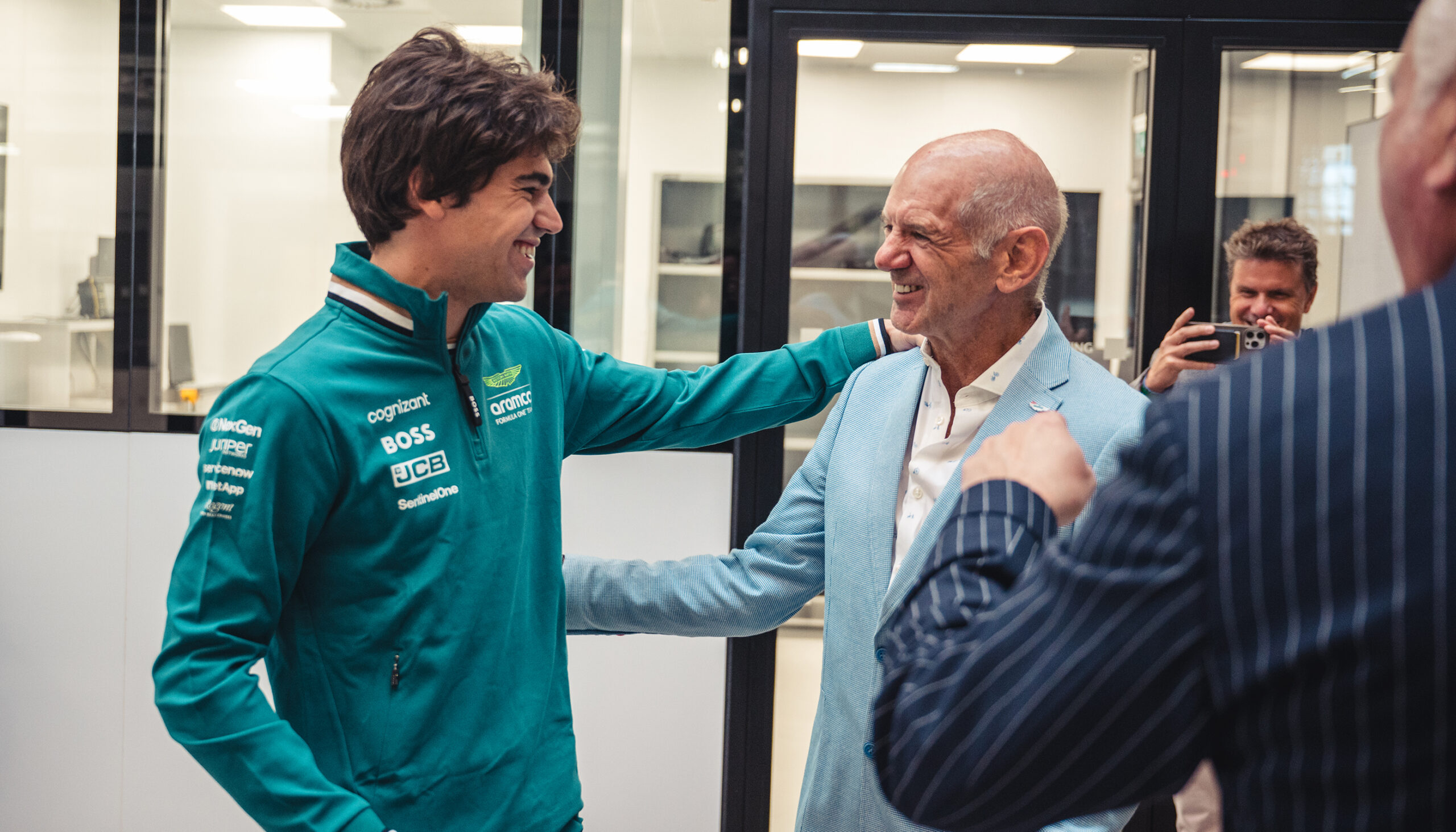
Photo · MotorBiscuit
The Hype Hangover
Think back to 2023. Aston Martin was stacking podiums. Fernando Alonso was doing what Alonso does — willing machinery beyond its ceiling, making everyone look slow, making the team look genius. The Silverstone operation carried itself like a team that had figured something out. Then the slide started. Results dried up. The gap closed, or rather, everyone else opened theirs. And now, heading into 2026, the same team that once looked like a genuine threat is banking its entire competitive future on one man — Adrian Newey — who hasn't even turned a wheel for them yet.
That's the thing about hype cycles in Formula 1. They compress time. A good season feels like a dynasty. A bad one feels like collapse. And when you're trying to reverse course, you reach for the most dramatic lever you can find.
Aston Martin found theirs. Red Bull found theirs. Williams found theirs. The problem is that all three teams are pulling at once, and the combined tension is enough to make you wonder whether the competitive structure of this sport is as stable as the TV contracts suggest.
One Engineer, One Driver, One Desperation Move
Aston Martin's bet on Newey is the most legible of the three — legible because it follows a certain F1 logic that has always existed. Great engineers make great cars. Great cars win championships. If you can sign the engineer who shaped so many of those winning cars, you've bought yourself a credible future. The theory holds. But the execution requires Newey to actually deliver, on a new regulatory framework, at a team still building its infrastructure, in a timeline that doesn't forgive much delay. That's not a plan. That's a prayer dressed in engineering language.
Meanwhile, Red Bull is preparing what's being described as a multi-million-dollar counterattack at their home Austrian GP — a full-scale effort to retain Max Verstappen, who apparently needs convincing that Milton Keynes is still the right place to be. That sentence alone would have seemed absurd two years ago. Verstappen has won championships there. He's built his identity there. And yet the threat of his departure is real enough that the team is mounting what sounds less like a negotiation and more like a siege on his loyalty. Red Bull's entire competitive identity runs through one driver, and they know it, and now they're spending to prove it.
Then there's Williams — the oldest name in the room, and the one making the move that reads most like panic. With Carlos Sainz apparently playing a waiting game, holding his options open while better seats potentially materialize, Williams is reportedly targeting Sergio Perez to shore up the lineup. It's a protective move. A hedge. The kind of decision you make when you've done the math and concluded that certainty, even imperfect certainty, is worth more than chasing the ideal.
What Fragility Actually Looks Like
Here's what I keep coming back to when I read these three stories side by side: none of these situations is really about the drivers. The drivers are just the visible surface. What's actually being revealed is how thin the margin is between a team that looks competitive and a team that's barely holding its shape.
Aston Martin needs one engineer to rescue a trajectory. Red Bull needs one driver to validate an entire identity. Williams needs one signing to stop a chain reaction. These aren't the contingency plans of dominant programs. These are the moves of organizations that have stared at their own vulnerability and decided to act before someone else does.
Formula 1 likes to present itself as a sport of relentless precision — thousandths of a second, millimeters of downforce, margins so small they require instruments to measure. But the human architecture underneath all of that is anything but precise. It's held together by relationships, by egos, by timing, by whether one person decides to pick up the phone or let it ring. Newey's presence at Aston Martin doesn't guarantee a fast car. Verstappen staying at Red Bull doesn't guarantee they've solved whatever made him consider leaving. Perez at Williams doesn't guarantee Sainz doesn't find a better offer anyway.
The Season That Will Answer Everything
The 2026 regulations represent a genuine reset — new power units, new aerodynamic rules, a reshuffled deck that no team has fully mapped. Which means the teams that have spent 2025 pulling these emergency levers are betting that their moves pay off exactly when the uncertainty is highest. That's either visionary timing or catastrophic overconfidence, and we won't know which until the first race of next year.
What the driver market is really exposing is that competitive balance in this sport has always been fragile — it just usually has enough momentum to disguise itself as stability. Three teams in crisis-mode, each with their own lifeline, each hoping it holds, is just the disguise slipping.
The machine keeps moving. Whether it's moving toward something or away from it — that's the question the season will answer.
Keep reading cars.

800 Horsepower, One Ton of Doubt
Lamborghini built the most powerful SUV it's ever made. It's also slower than what it replaced.

£11,990 Draws a Line Under Every Excuse You Had Left
Dacia just made the cheapest new car in Britain electric — and that's not a footnote, it's a verdict.

Blanc Éternel Hides Its Speed Behind a Gas Cap
Bugatti built a 261-mph roadster and made sure you'd notice the porcelain first.
From the other desks.

Gold Leaf on a Lacquer Dial, and the Weight of What That Costs
Awake's Frosted Leaf Royal Blue asks a question Vietnamese craft has never quite had to answer at this price.

ESPN Named Him. Then Unnamed Him. Nobody's Explaining the Gap.
A retraction without a reckoning is just a deleted link.

Hide My Email Has Been Showing Your Email
Apple's privacy flagship has a hole in it. They've known for over a year.