Three Poles. Three Wins. One Very Uncomfortable Seat in the Garage.
Kimi Antonelli keeps winning. The harder story is what that means for the man standing next to him.
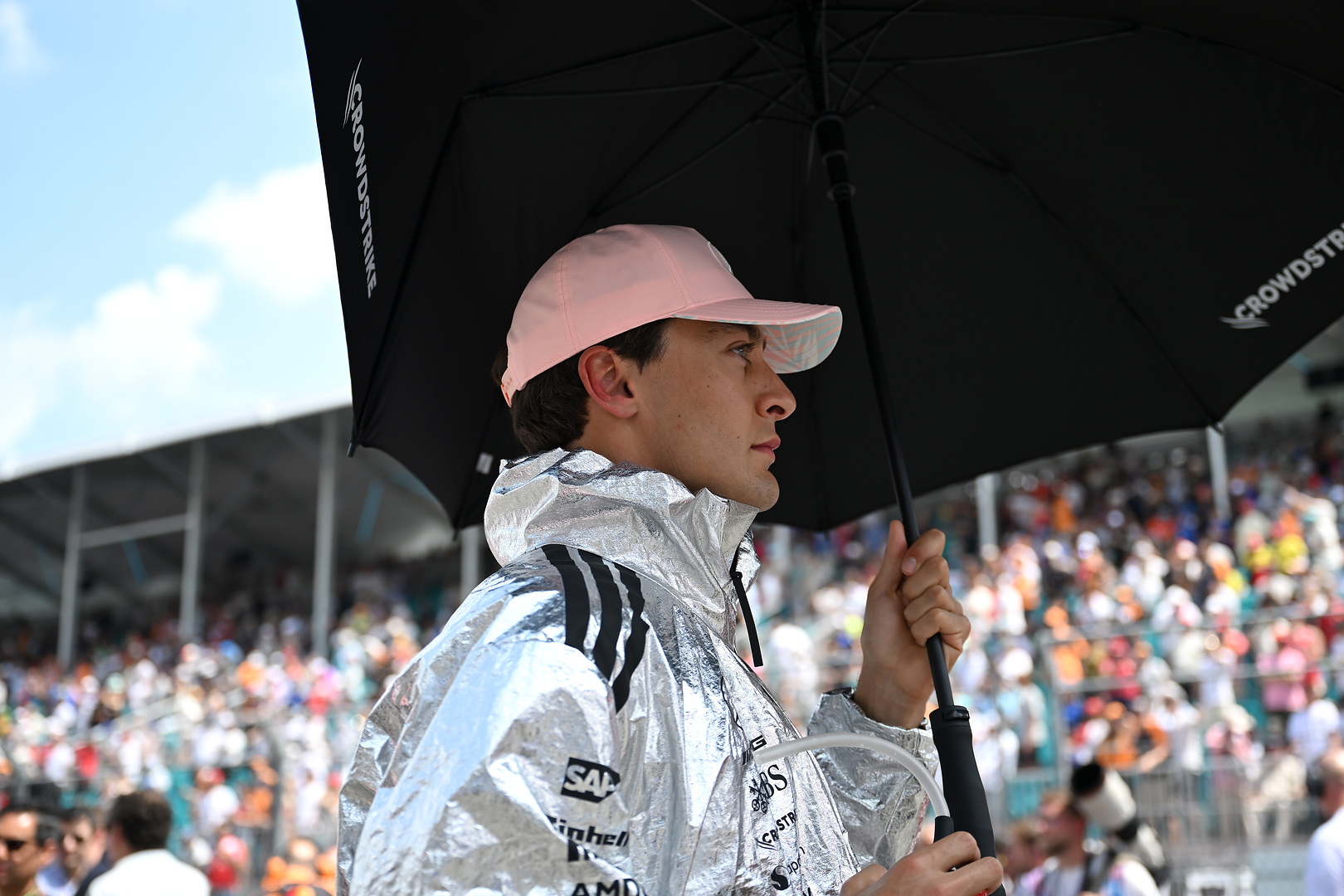
Photo · MotorBiscuit
The Kid Already Has the Keys
Picture it before the narrative takes over: a teenager showing Lionel Messi around a Formula 1 car in the Miami paddock, the weekend before he would make history. Not the other way around — not a nervous rookie asking for a photo, not a publicist-arranged handshake. Messi came to him. Messi, who has been the best player on every pitch he's ever walked onto, was the one expressing admiration. And then the race happened, and Kimi Antonelli went out and won his third consecutive Grand Prix from pole position, becoming the first driver in history to achieve that particular sequence to open a career.
That's not a statistic you put in a press release. That's a story you tell for decades.
But here's the thing about extraordinary beginnings: they don't exist in a vacuum. Antonelli's wins are real, the records are real, the speed is real. And yet the coverage that followed Miami couldn't quite settle on what it all meant — because answering that question cleanly requires answering another one first, and that one is considerably more uncomfortable.
What the Numbers Don't Settle
Three wins from three starts is the kind of run that forces the conversation. Some in the paddock and in the press have started floating the word luck — or adjacent phrases that carry the same weight without the directness. One MotorBiscuit piece noted that Antonelli's streak has drawn skepticism, with suggestions that circumstances have played a role. The Bahrain and Saudi Arabian rounds were cancelled due to the conflict in the Middle East, which compressed the calendar and handed a five-week gap between Antonelli's opening wins and the return at Miami. That's five weeks of media runway, five weeks of mounting pressure, five weeks of people asking whether the story was real.
He went out in Miami and answered with another pole and another win.
And yet the luck argument doesn't fully dissolve — it just shifts. Because the other driver in that Mercedes is George Russell, who is not a passenger. Russell is fast, experienced, and by any reasonable measure a top-tier Formula 1 talent. He has been finishing behind Antonelli. Consistently. Which means we're now asking a question that the car itself seems to be raising: how much of what we're watching is Antonelli, and how much is the Mercedes beneath him?
The answer, inconveniently, is probably both. Great drivers in great cars tend to produce great results. The problem is that this logic cuts in two directions at once.
The Seat That Wasn't Supposed to Be the Story
Russell's contract situation has entered the conversation — quietly, then less quietly. One MotorBiscuit piece framed it directly: Antonelli's rise is prompting questions about Russell's standing at the team. That's the kind of sentence that gets written carefully, because everyone in Formula 1 understands what it implies. If the car is dominant enough to carry a teenager to three consecutive victories, the team will eventually have to decide what it actually values: the known quantity who keeps the machine competitive, or the emerging force who might define the next era.
This is the oldest tension in motorsport, and it doesn't get easier with data. Teams build cars for championships. Drivers build careers for legacies. Those two projects often run in parallel — until they don't.
The Michael Schumacher comparison arrived in the coverage almost inevitably. One piece cited it approvingly, describing Antonelli's performance under pressure in Miami as a champion's drive. That's a heavy name to drop, and the people dropping it know it. You don't reach for that reference casually. You reach for it when something in what you're watching makes the smaller words feel insufficient.
The Machine and the Man
I keep coming back to the image of the teenager and Messi, and what it actually tells us. Not about celebrity, not about sport as spectacle — but about the specific moment when someone stops being a prospect and starts being a presence. Messi didn't show up for a photo opportunity with a promising young driver. He showed up because something had already been decided, at least in the way these things get decided before the world catches up to them.
The luck argument will persist, because it has to. It's the only available defense against the alternative, which is that a driver in his first season is already operating at a level that makes one of Formula 1's more accomplished talents look like the supporting cast. That's not an indictment of Russell — it's a statement about what Antonelli might actually be.
And the car beneath him. Always the car.
This is what Mercedes has built: a machine so capable that it turns the driver debate inside out. Usually teams argue over which driver gives them the best chance. Right now, Mercedes is quietly confronting the possibility that the better question is which driver deserves what the car is already capable of producing. That's a different problem. A rarer one.
Three poles. Three wins. The record books have already been updated. Everything else is still being written — and the next chapter won't be about Antonelli.
Keep reading cars.

800 Horsepower, One Ton of Doubt
Lamborghini built the most powerful SUV it's ever made. It's also slower than what it replaced.

£11,990 Draws a Line Under Every Excuse You Had Left
Dacia just made the cheapest new car in Britain electric — and that's not a footnote, it's a verdict.
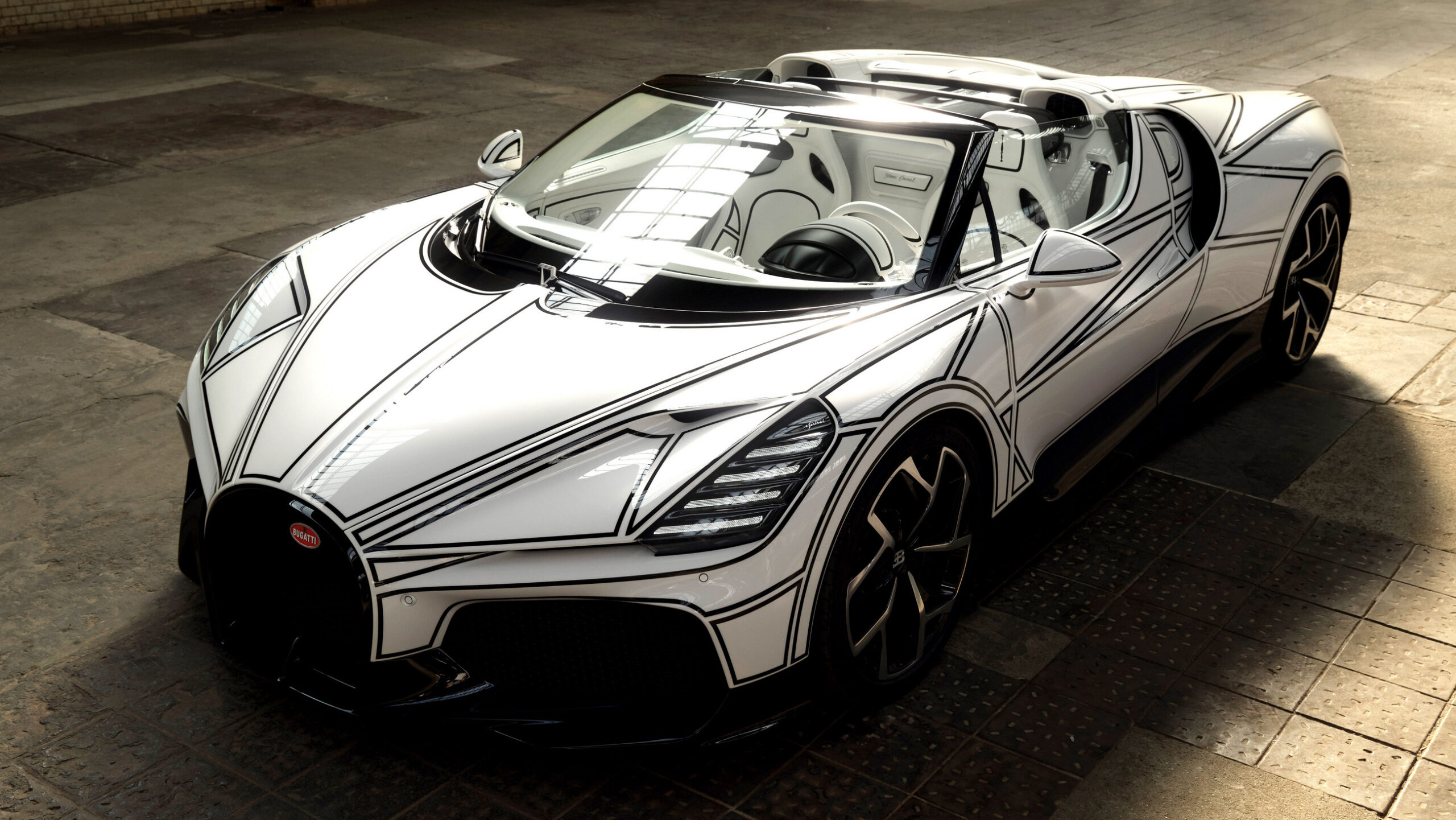
Blanc Éternel Hides Its Speed Behind a Gas Cap
Bugatti built a 261-mph roadster and made sure you'd notice the porcelain first.
From the other desks.

Gold Leaf on a Lacquer Dial, and the Weight of What That Costs
Awake's Frosted Leaf Royal Blue asks a question Vietnamese craft has never quite had to answer at this price.

ESPN Named Him. Then Unnamed Him. Nobody's Explaining the Gap.
A retraction without a reckoning is just a deleted link.

Hide My Email Has Been Showing Your Email
Apple's privacy flagship has a hole in it. They've known for over a year.