98 Percent of DeepMind Voted Yes. Read That Number Slowly.
When engineers stop pretending the product stops at the office door, the whole industry has to reckon with what it built.

Photo · The Verge
There's a version of this story where we're surprised. Where the image of a brilliant, principled AI researcher sits cleanly apart from the image of a defense contractor. Where the lab and the weapon are different enough that nobody has to choose.
That version is over.
The Vote
Staff at Google DeepMind's UK headquarters voted to unionize — and according to The Verge, 98 percent of Communication Workers Union members at DeepMind voted in support of the move. Employees submitted a letter to Google management requesting that the CWU and Unite the Union be jointly recognized as representatives. The proximate cause, reported across The Verge, Wired, and Engadget: concerns about the use of DeepMind's AI models in military settings, including contracts with the US Pentagon and, more pointedly, what one unnamed employee described in a statement shared by the CWU as AI already "aiding Israel's genocide of Palestinians."
That quote is not from a protest sign outside a building. It came from inside.
The specific language matters. Not "could be misused" or "raises ethical questions." The employee said already are. Past tense. Present continuous. Whatever the legal or political framing of that statement, the psychology of it is what deserves attention: these are people who know what they built, know where it went, and decided that ambiguity was no longer a comfortable place to live.
The Pattern You've Seen Before
Here's the thing about tech worker organizing: it almost always arrives after the fact. After the contract is signed. After the model is deployed. After the PR team has already put out the statement about "responsible AI development" that nobody inside entirely believed. The conscience shows up, reliably, about six months too late to change the outcome — and right on time to change the story.
What's different at DeepMind, at least on the surface, is the number. 98 percent is not a vocal minority. It's not a petition with a few hundred signatures that management can quietly file. It is, functionally, consensus. Which means this wasn't a small group of idealists pulling the alarm. It was almost everyone in the building deciding, more or less simultaneously, that the work had crossed a line they couldn't unsee.
Engadget's reporting points to the Pentagon deal as the specific accelerant. Wired frames it as UK staff hoping to block military use of the company's AI models going forward — not just protest the past, but structurally prevent the future. That distinction is where this gets interesting, and where Google's response will matter most. Recognition of the union doesn't mean agreement on policy. Management can acknowledge the representatives and still do exactly what it was going to do. The vote is a beginning, not a resolution.
But it does change the internal physics. You cannot unknow that 98 percent of your research staff voted to put a formal barrier between their work and a weapons contract. Every subsequent decision happens in the light of that number.
What the Coverage Misses
All three sources cover the what. None of them fully sit with the why now beyond the immediate catalyst. The uncomfortable answer is that this was always going to happen — not because these workers are uniquely principled, but because AI has become too consequential to stay abstract. For years, the industry operated on a comfortable fiction: that building the capability and deploying the capability were separate moral acts, performed by separate people, and that the researchers at the top of the chain bore no particular responsibility for what happened downstream.
That fiction required a certain scale of ignorance to maintain. The models had to be general enough, the contracts obscure enough, the distance between lab and battlefield long enough. As AI gets more capable and more specifically useful in military contexts, that distance collapses. The researchers know. They've always known. The vote just made the knowing official.
Ninety-eight percent is not a protest. It's a confession.
Keep reading tech.

Hide My Email Has Been Showing Your Email
Apple's privacy flagship has a hole in it. They've known for over a year.

Sony Killed the Disc. Sony Is Also Killing the Store.
Two announcements, one company, and a quiet admission that "ownership" was always their word to define.
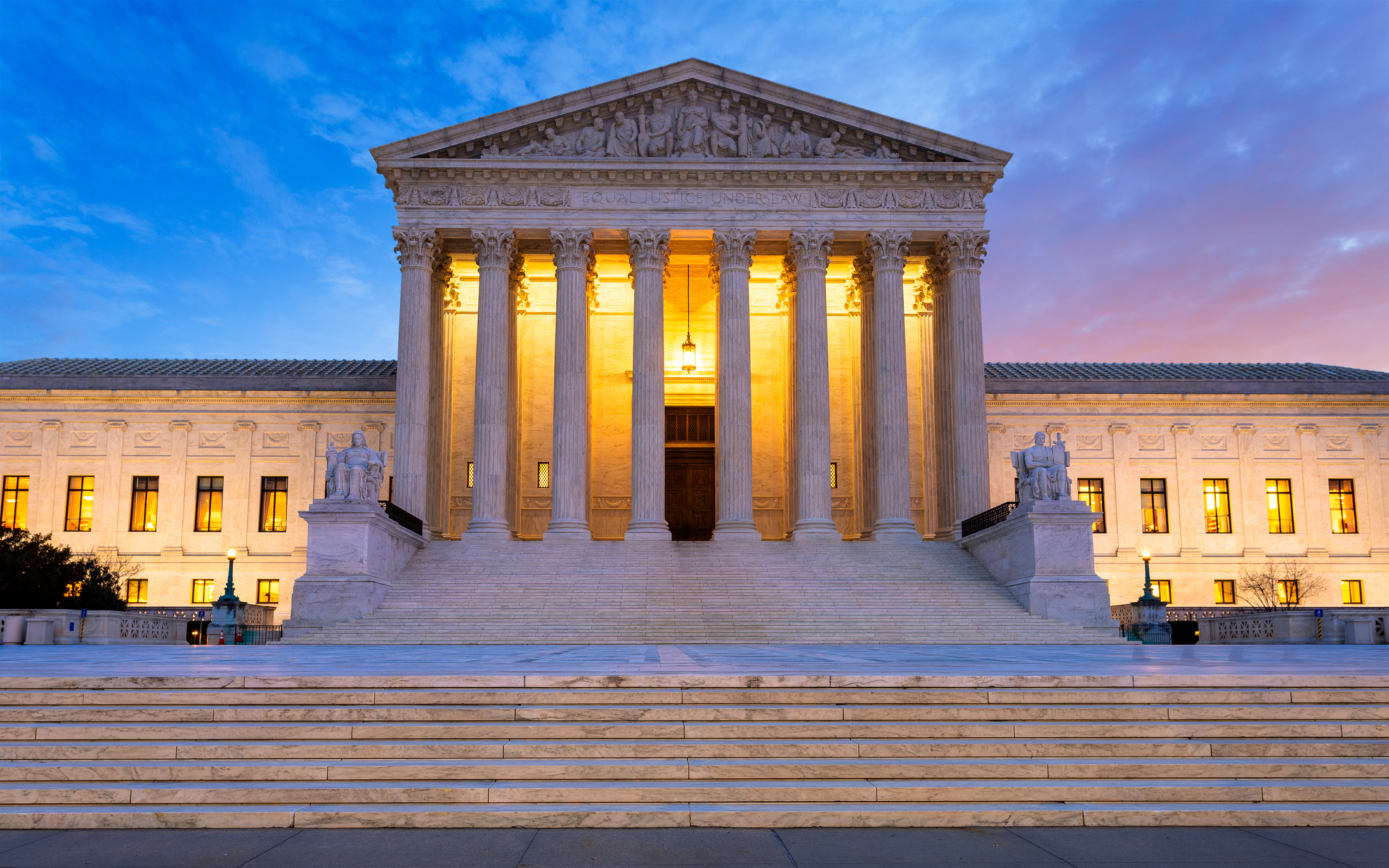
Apple Went to the Highest Court It Could Find. That Tells You Everything.
When a contempt ruling sends you to the Supreme Court, you're not defending a policy anymore — you're defending a worldview.
From the other desks.

800 Horsepower, One Ton of Doubt
Lamborghini built the most powerful SUV it's ever made. It's also slower than what it replaced.

Gold Leaf on a Lacquer Dial, and the Weight of What That Costs
Awake's Frosted Leaf Royal Blue asks a question Vietnamese craft has never quite had to answer at this price.

ESPN Named Him. Then Unnamed Him. Nobody's Explaining the Gap.
A retraction without a reckoning is just a deleted link.