Chronopolis Showed Up in Year One and Made Palexpo Look Like the Sideshow
Geneva Watch Week 2026 had two centers of gravity. Only one of them felt alive.
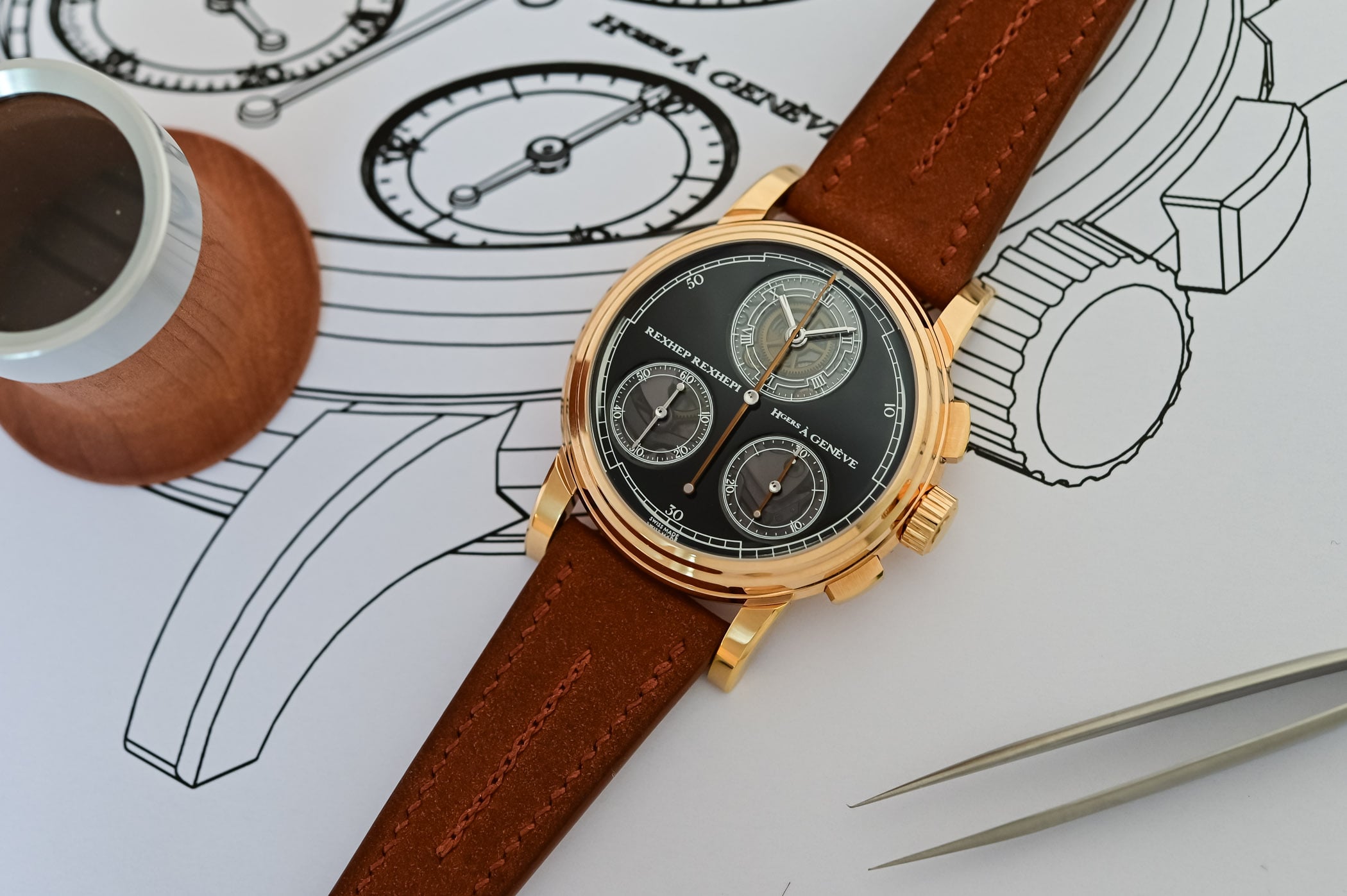
Photo · Monochrome Watches
There's a particular kind of quiet that happens when something important shifts — not the loud crack of disruption, but a slow reorientation, like a room full of people all turning toward the same window. That's what Geneva Watch Week 2026 felt like, if you knew where to look.
The major brands were at Palexpo, as they always are. Cavernous, choreographed, expensive. And somewhere else in the city, in its debut year, Chronopolis was happening — a dedicated space for independent watchmakers — and by most accounts from those who made it there, that's where the week actually lived.
Time+Tide called it plainly: Chronopolis was where the real action could be found. Not a caveat. Not a consolation. A verdict.
What a Debut Year Means
First years are supposed to be rough. You're still finding the light, still earning the room, still convincing people the detour is worth it. Chronopolis apparently skipped that part. For a show built around independent makers — the kind of names that don't have PR firms or six-figure booth budgets — to outshine the main event in its opening year says something specific: the demand for this was already there. The infrastructure was just catching up.
The SJX Podcast spent an episode rounding up indie highlights from the smaller fairs and around-town showings — AHCI, Time to Watches, makers exhibiting on their own — and the list included figures like Mathieu Cleguer, who debuted something novel enough to earn the mention. Monochrome traced the lineage from trailblazers like Urwerk and MB&F through to a newest generation that's still rewriting what a watch can actually be. Time+Tide covered releases from makers including Naoya Hida, echo/neutra, and Sartory Billard, noting that the independents were the story of the week while the big brands had already played their hand during the fairs.
None of this happened by accident. It happened because a critical mass of watchmakers, journalists, and buyers have quietly agreed that the energy is elsewhere.
What the Big Room Doesn't Do
Watches & Wonders is very good at spectacle. It's very good at managing attention, sequencing announcements, controlling narrative. What it is not particularly good at is surprise — the genuine kind, where you turn a corner and see something that reframes what you thought was possible in a mechanical object worn on a wrist.
Independents are structurally better at surprise. Not because they're trying harder, though some are. Because they're not protecting anything. There's no heritage architecture to honor, no retail network to align with, no board asking what the sales forecast looks like. Mathieu Cleguer can debut a novel mechanism because his only obligation is to the idea. That's a different kind of freedom, and it shows in the work.
The industry has been saying this quietly for a few years. What Geneva Watch Week 2026 did — specifically what Chronopolis did — was say it out loud, structurally, with a dedicated venue and a debut that apparently delivered.
The real innovation in independent watchmaking right now isn't just in the movements or the cases. It's in the acknowledgment that the ecosystem around these makers finally needed to match the quality of what they're producing. Chronopolis is infrastructure catching up to ambition.
And if year one looked like this, year two is going to be a different kind of crowded.
Keep reading fashion.

Gold Leaf on a Lacquer Dial, and the Weight of What That Costs
Awake's Frosted Leaf Royal Blue asks a question Vietnamese craft has never quite had to answer at this price.
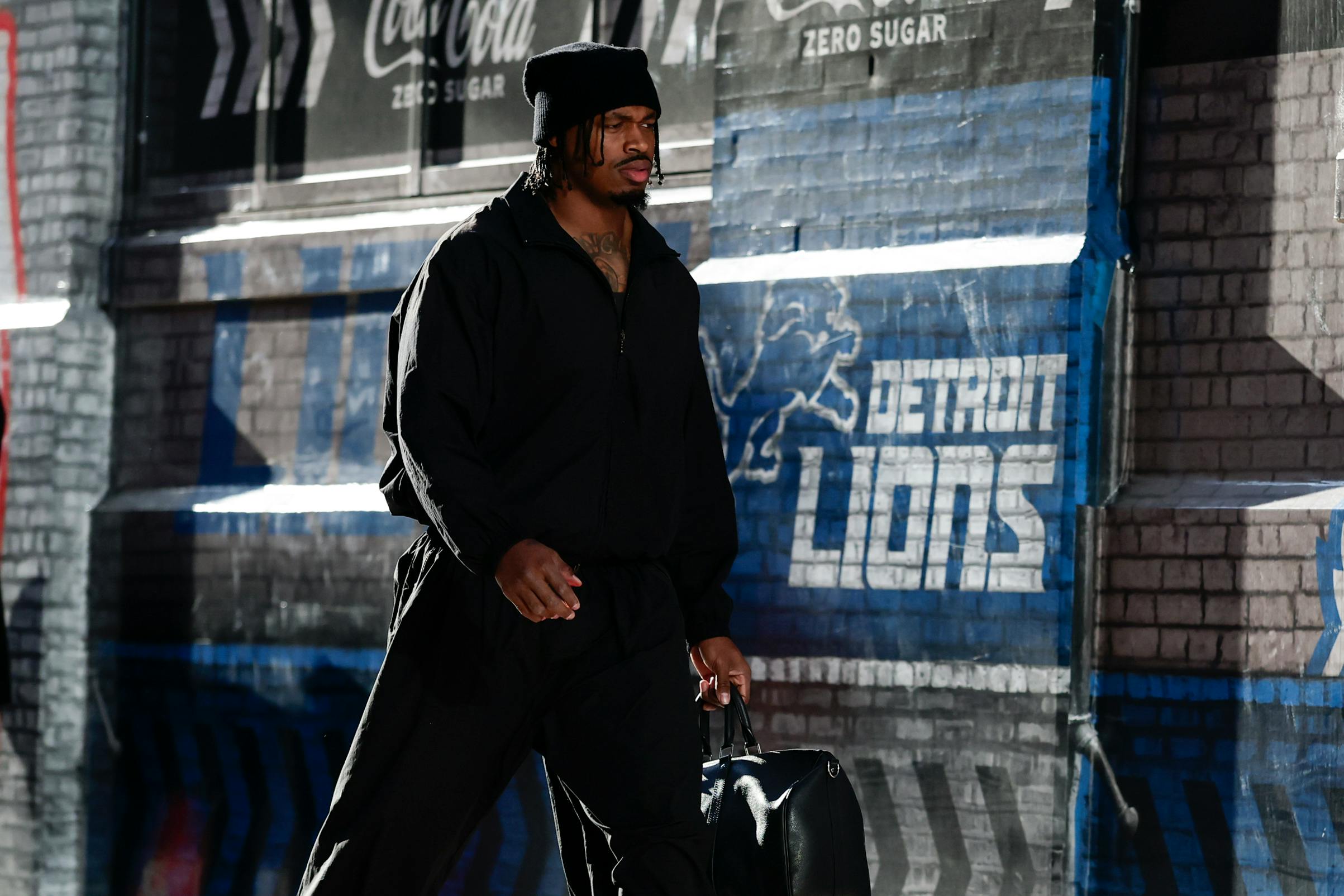
Kyle Smith Has a Job Title That Didn't Exist Before. That's the Whole Tell.
When the NFL hires a fashion editor, it's not about clothes — it's about who gets to decide what matters.
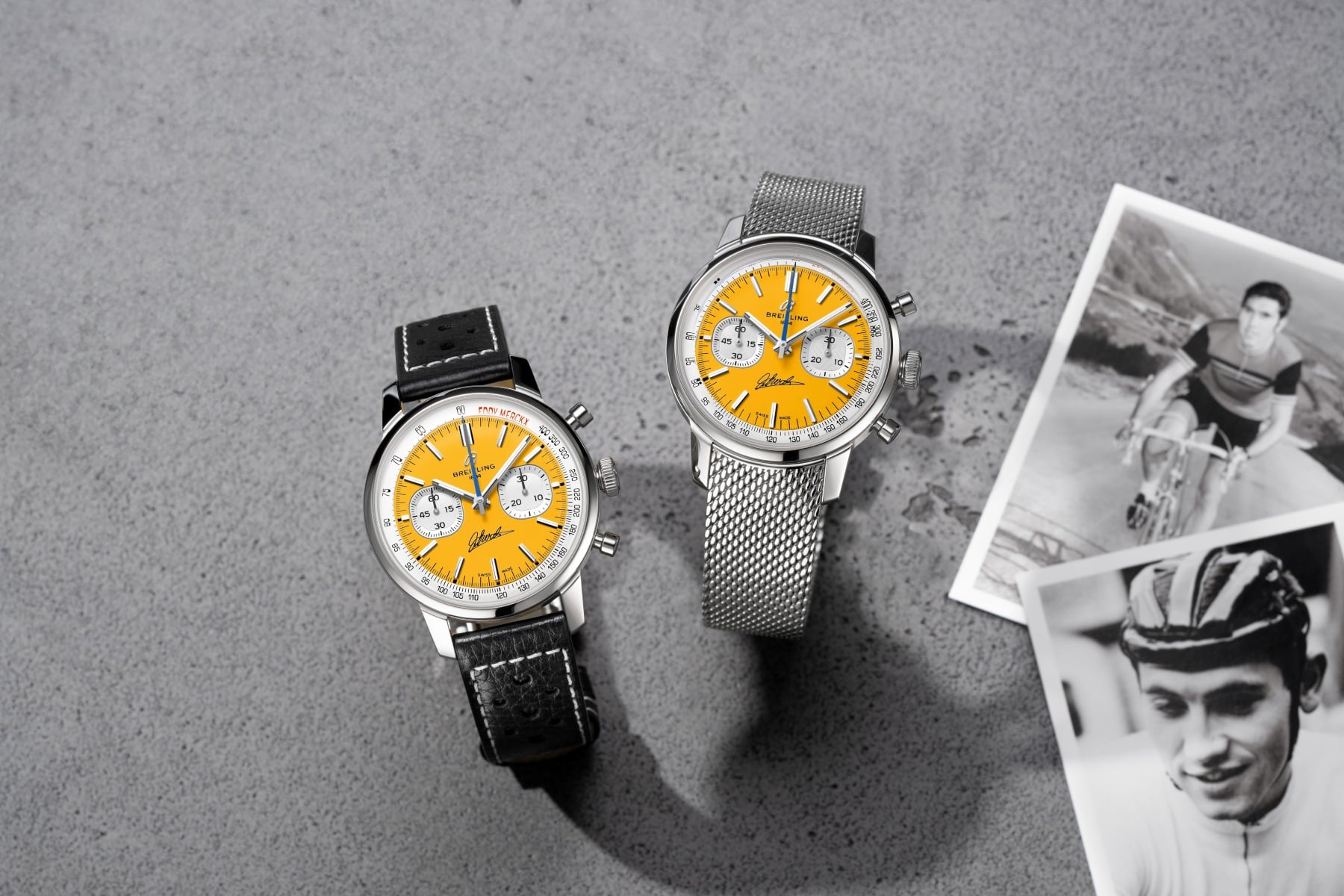
525 Victories, One Dial, and Cycling's Long Wait for a Wrist
Breitling's Eddy Merckx edition doesn't just reference a legend — it asks whether motorsport's younger sibling has finally earned its place in serious watch culture.
From the other desks.

800 Horsepower, One Ton of Doubt
Lamborghini built the most powerful SUV it's ever made. It's also slower than what it replaced.

ESPN Named Him. Then Unnamed Him. Nobody's Explaining the Gap.
A retraction without a reckoning is just a deleted link.

Hide My Email Has Been Showing Your Email
Apple's privacy flagship has a hole in it. They've known for over a year.