Built Early, Buried Quietly: One Electric CRX in a Chula Vista Junkyard
A rusting Honda in California asks what happens to the pioneers nobody made a plan for.
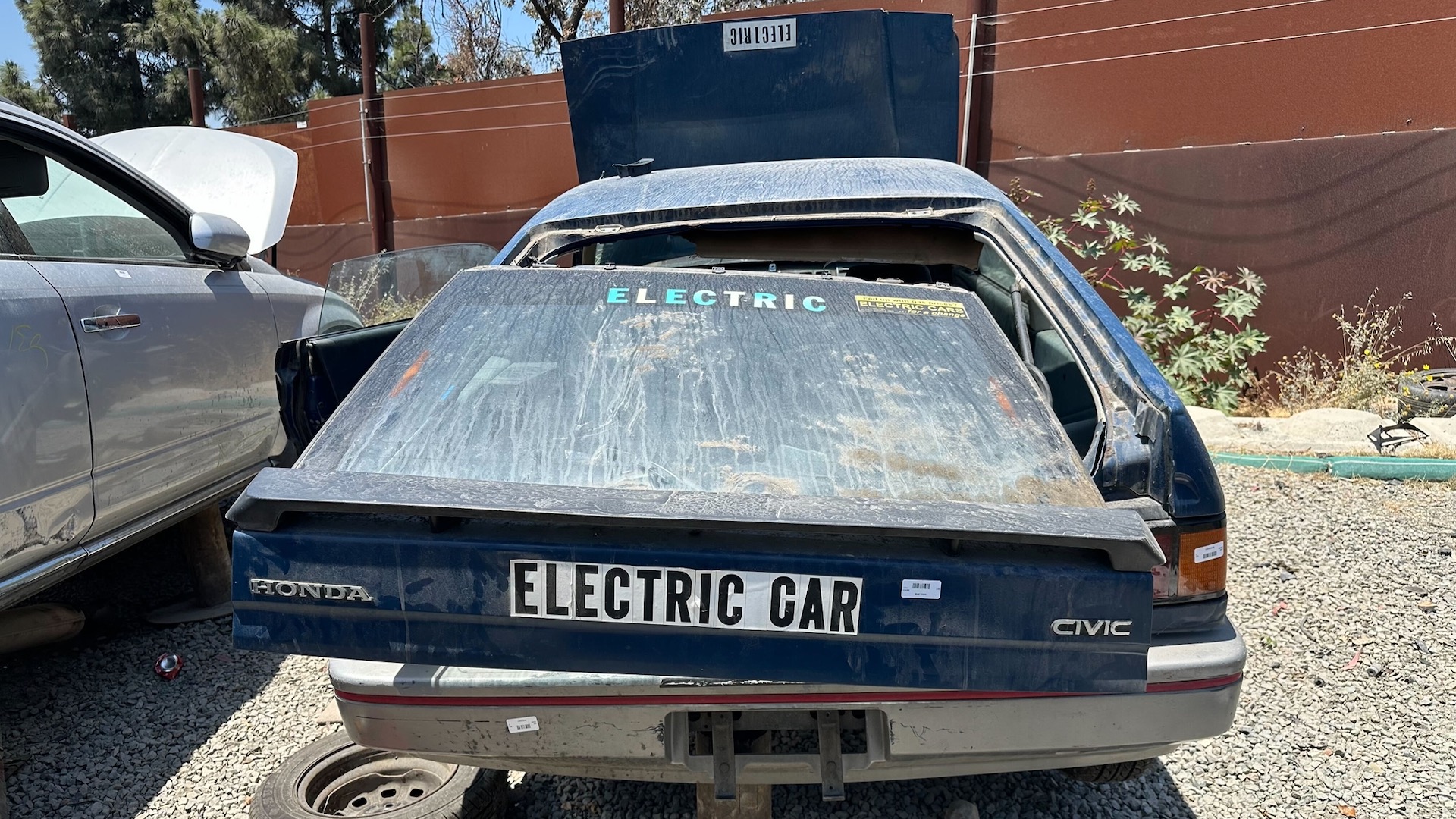
Photo · The Drive
The Car That Shouldn't Be There
Picture it sitting in a row, between a gutted Civic and a Tacoma with no hood. Faded paint. Battery pack still in. Charger still attached. A first-generation Honda CRX — light, eager, the kind of car that feels alive even standing still — reduced to a parts donor in a Pick Your Part lot in Chula Vista, California. Someone found it there. Photographed it. Posted it. And a writer at The Drive wrote about it, because the story it tells is too strange to ignore.
The CRX had been converted to electric power. Not by a manufacturer, not by a startup flush with venture money, but by somebody — a tinkerer, an early believer, a person who looked at an internal combustion car and thought: I can change what this is. They did the work. They made it run on electrons, probably long before that sentence felt like anything other than a science project. And then it ended up in a junkyard.
I keep coming back to that last part.
What Ahead of Your Time Actually Costs
There's a version of this story where the CRX gets rescued, restored, displayed. Where the person who built it gets credit. Where the thing they made becomes a document — proof that the EV movement had roots deeper than Silicon Valley press releases. That version exists for some cars. Not for this one.
The version that actually happened is quieter and more honest. The car sat somewhere for years, then moved to a junkyard, battery pack intact, charger still threaded through the body, the whole electrical conversion left in place like a time capsule nobody scheduled an opening for. The Drive notes the battery pack and charger are still present — which means whoever parked it last either couldn't or didn't strip it. Which means nobody had a plan.
That's the part that stings. Not that it's in a junkyard. Cars go to junkyards. That's fine, that's the cycle. What stings is that the infrastructure to understand what this car was — to preserve it, to value it, to even properly dispose of the conversion components — simply didn't exist. Maybe still doesn't, fully. The DIY EV community built machines the world wasn't ready to categorize. So the world did what it does with things it can't categorize: it set them aside and waited for someone else to deal with them.
No one did.
The Pioneer Problem
There's a particular loneliness to being right too early. The CRX conversion is a physical argument that someone was already thinking about electric propulsion in a personal, hands-on way — decades before the Supercharger network, before federal tax credits, before the phrase "range anxiety" entered the consumer vocabulary. They solved the problem they could solve with what they had. They built the thing.
What they couldn't build was the ecosystem around it. The supply chain for replacement cells when the originals degraded. The community of mechanics who understood the system. The cultural vocabulary to make the car legible to anyone who came after. Those things don't come from individual ingenuity. They come from time and money and institutional momentum — none of which the early DIY EV world had.
So the cars aged in ways their builders couldn't anticipate. The conversions became orphans. And some of them ended up in Chula Vista, sitting in a row between gutted Civics and hoodless Tacomas, waiting for a writer with a camera phone to ask what happened.
The writer at The Drive did something valuable by asking. By not just scrolling past the listing, by recognizing that a rusting CRX with its battery pack still in is a different kind of artifact than a rusting CRX without one. The specificity matters. The charger still attached matters. That's not just a parts car. That's evidence.
What You Do With Evidence
I don't think the story here is about one car. The car is just the door. The real story is about what we do with the things people build before the world is ready — whether we treat them as failures because the timing was wrong, or whether we understand that timing and vision are separate qualities that only sometimes arrive together.
Most of the DIY EVs from that era are gone. Not preserved, not documented, just gone — absorbed back into the scrap stream, their conversions dismantled or crushed without record. This one made it to a Pick Your Part lot with its components intact, which is almost accidental preservation. Almost.
Someone will pull the battery pack for a project. Someone else will take the charger. The shell will get crushed eventually. And that'll be it for this particular piece of evidence. The timeline doesn't stop for the things it left behind.
But for a moment, it sat in Chula Vista and asked a question worth answering: when the next wave of builders gets too far ahead of their moment, what are we going to do differently?
Keep reading cars.

800 Horsepower, One Ton of Doubt
Lamborghini built the most powerful SUV it's ever made. It's also slower than what it replaced.

£11,990 Draws a Line Under Every Excuse You Had Left
Dacia just made the cheapest new car in Britain electric — and that's not a footnote, it's a verdict.
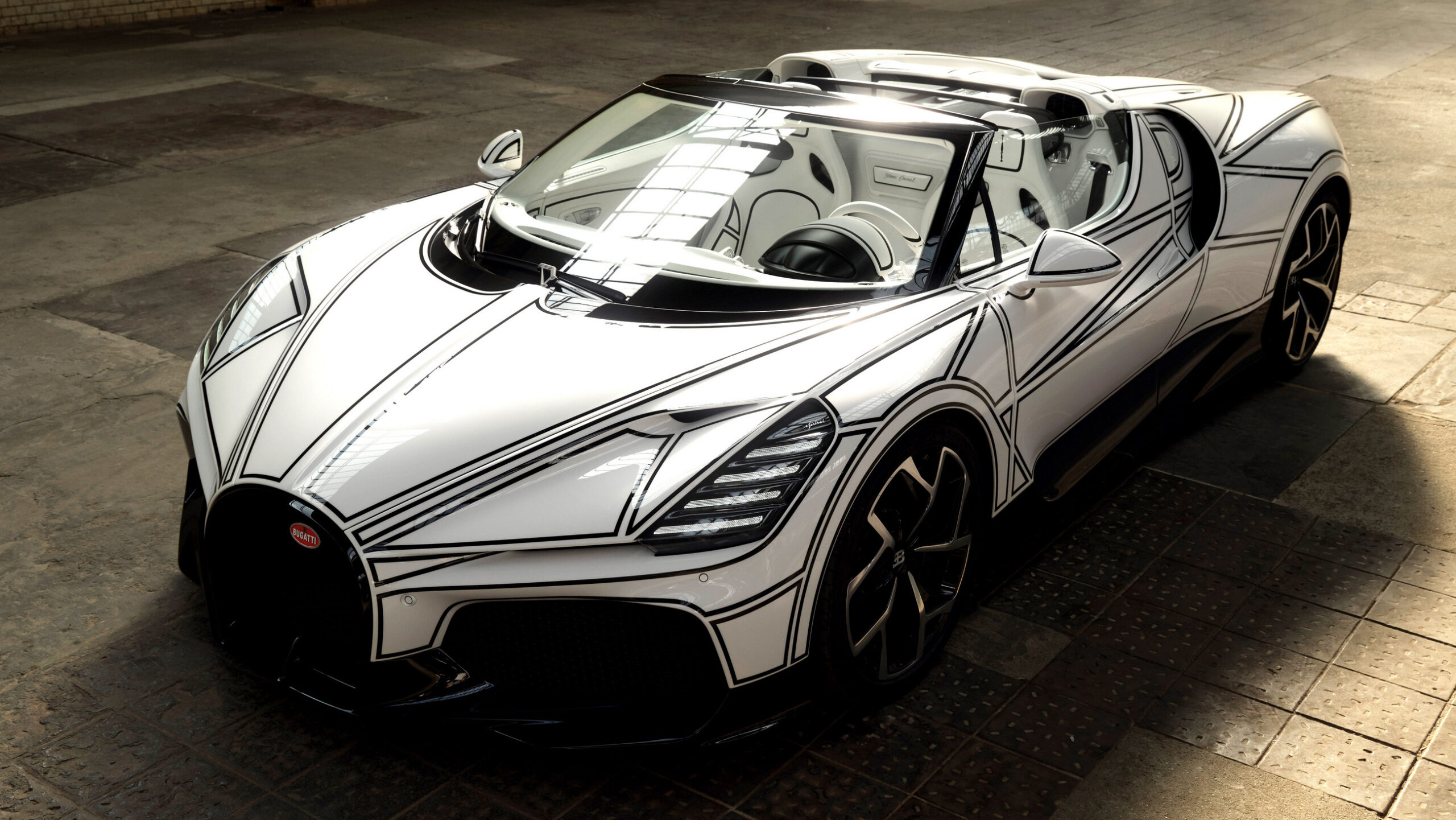
Blanc Éternel Hides Its Speed Behind a Gas Cap
Bugatti built a 261-mph roadster and made sure you'd notice the porcelain first.
From the other desks.

Gold Leaf on a Lacquer Dial, and the Weight of What That Costs
Awake's Frosted Leaf Royal Blue asks a question Vietnamese craft has never quite had to answer at this price.

ESPN Named Him. Then Unnamed Him. Nobody's Explaining the Gap.
A retraction without a reckoning is just a deleted link.

Hide My Email Has Been Showing Your Email
Apple's privacy flagship has a hole in it. They've known for over a year.