Carvana Didn't Buy Into Slate. It Bought Into the Vacancy.
When a used-car platform becomes the distribution spine for a new EV brand, the dealership isn't being disrupted — it's being replaced by something that was already there.
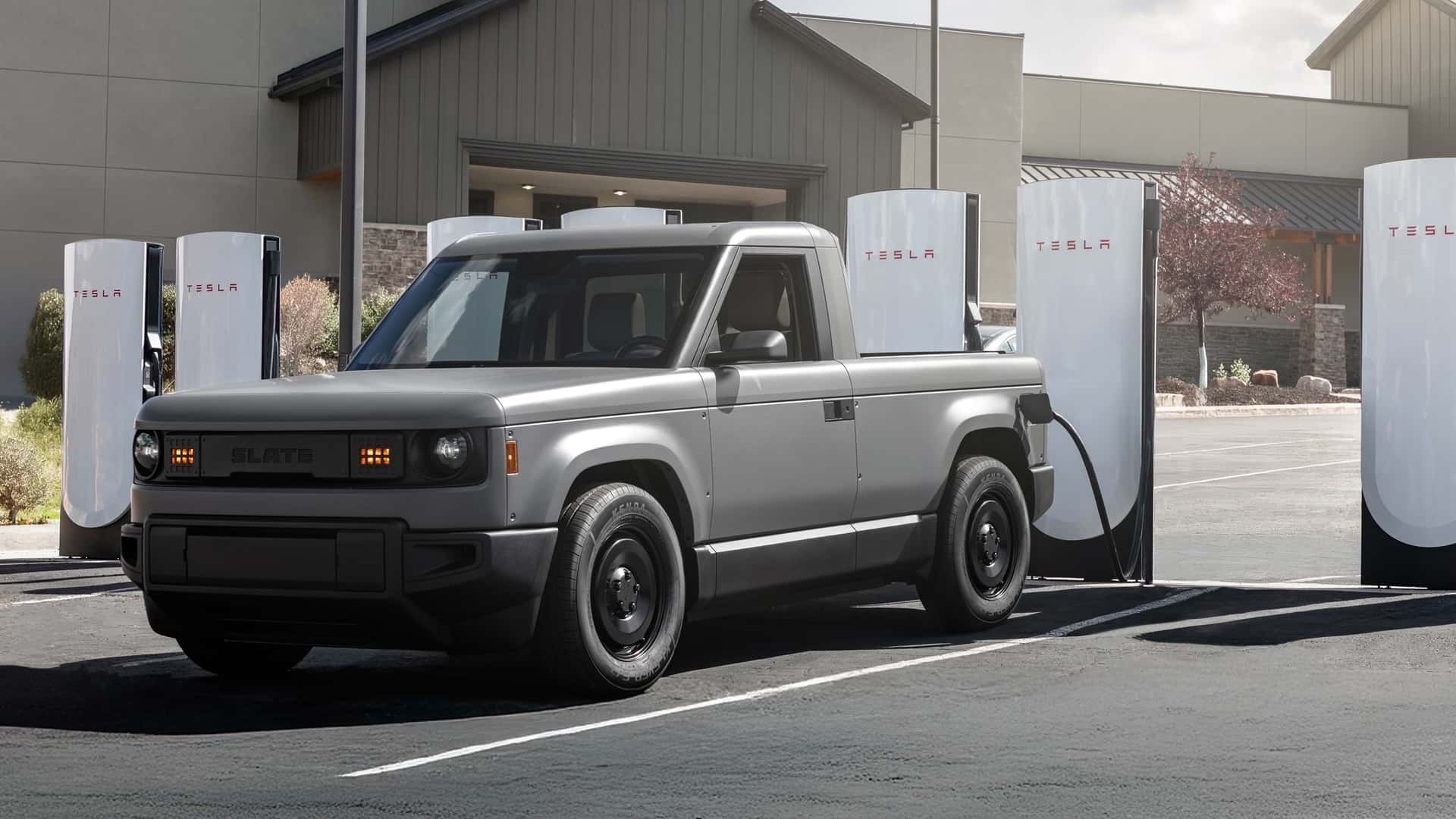
Photo · InsideEVs - Articles
There's a version of this story where Carvana and Slate is just a business deal. Two companies with aligned interests, shaking hands, moving units. That version is boring and also wrong.
What's actually happening here is stranger and more significant: an online used-car retailer is quietly inserting itself into the new-vehicle distribution layer at the exact moment that new EV brands — Slate among them — are looking for somewhere to land that isn't a franchise dealership. According to reporting from both Electrek and InsideEVs, Carvana is positioning itself as a potential retail partner for Slate, a new electric vehicle brand searching for ways to reach buyers outside the traditional dealer network.
That's not a partnership announcement. That's an infrastructure play.
The Channel Is the Product
For decades, the franchise dealership model held because it had to. Manufacturers needed physical presence. Buyers needed somewhere to sit in the thing before signing. The dealer was the friction that everyone accepted because there was no alternative.
EVs changed the logic. Tesla proved that buyers would complete a significant purchase online, wait for delivery, and not feel cheated by the absence of a salesperson. What Tesla also proved is that building your own direct-sales infrastructure is expensive and slow and requires the kind of regulatory street-fighting that drains energy a young company doesn't have.
So Slate — and brands like Scout, per Electrek's framing — are facing a real question: if not the dealer and not a Tesla-style owned retail network, then what? The answer Carvana is offering is: us. We already exist. We already have the platform, the logistics, the consumer trust, the tech stack. Plug in here.
The audacity of that pitch is worth sitting with for a second. Carvana built its reputation and its business on used cars — on the secondary market, on someone else's depreciation. Now it wants to be the front door for vehicles that have never had a previous owner. That's not an incremental expansion. That's a category claim.
What Slate Gets, What Carvana Gets
For Slate, the value is obvious. Distribution without dealerships means no franchise agreements, no territorial disputes, no showroom politics. A brand trying to sell an affordable electric vehicle — and Slate is explicitly going after that end of the market — needs volume and accessibility, not a network of middlemen with margin requirements.
For Carvana, the value is subtler and larger. Every new EV brand that routes through its platform rather than building its own channel or signing with traditional dealers is a vote for Carvana as infrastructure. Not just a retailer. Infrastructure. The kind of thing that, once embedded, doesn't get removed.
Electrek's framing cuts to it directly: Carvana's bet on Slate is a bet on itself. On the idea that the future of automotive retail doesn't run through a lot with flags and financing desks — it runs through a website, a logistics network, and a consumer experience that someone already spent years building.
There's something almost elegant about the timing. The dealership model is under pressure from multiple directions simultaneously — EV mandates, direct-sales legislation battles, changing buyer behavior — and Carvana is not the company leading that fight. It's the company waiting on the other side of it.
That's a smarter position than it looks. Let the disruption happen. Be the place the displaced traffic goes.
The franchise dealer spent a century becoming indispensable. Carvana is trying to do it in a fraction of the time by being available at exactly the right moment — and making sure that every new brand that needs a channel remembers who answered the phone.
Keep reading cars.

800 Horsepower, One Ton of Doubt
Lamborghini built the most powerful SUV it's ever made. It's also slower than what it replaced.

£11,990 Draws a Line Under Every Excuse You Had Left
Dacia just made the cheapest new car in Britain electric — and that's not a footnote, it's a verdict.
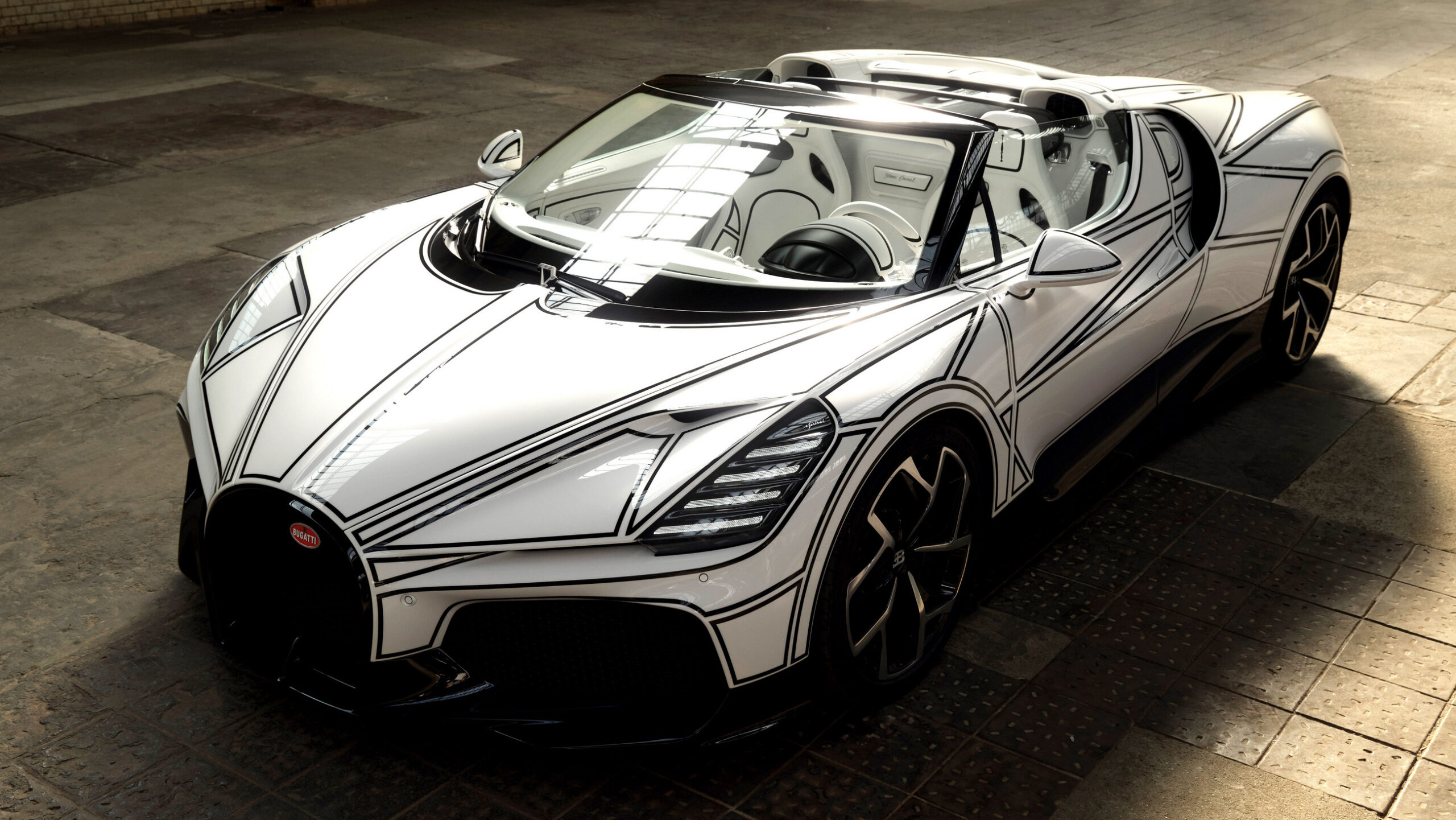
Blanc Éternel Hides Its Speed Behind a Gas Cap
Bugatti built a 261-mph roadster and made sure you'd notice the porcelain first.
From the other desks.

Gold Leaf on a Lacquer Dial, and the Weight of What That Costs
Awake's Frosted Leaf Royal Blue asks a question Vietnamese craft has never quite had to answer at this price.

ESPN Named Him. Then Unnamed Him. Nobody's Explaining the Gap.
A retraction without a reckoning is just a deleted link.

Hide My Email Has Been Showing Your Email
Apple's privacy flagship has a hole in it. They've known for over a year.